2015 Activity Report|Community Survey and Project Preparation in Albuera, Leyte

2015 Activity Report

Community Survey and Project Preparation in Albuera, Leyte

The 2015 stage was the foundation of the Japan Fund for Global Environment agroforestry project. HHHJapan and local partners began by understanding the situation of farmers, damaged farmland, local needs, and the possibilities for agroforestry activities in Albuera, Leyte.

Before full-scale training and planting began, it was important to listen to local farmers, observe the condition of the community, and prepare a realistic project plan that could connect environmental recovery with farmer livelihoods.

Community survey and project preparation for agroforestry activities in Albuera, Leyte

Role of the 2015 Preparation Stage

The 2015 activities served as the starting point for the agroforestry project. At this stage, the main focus was not yet large-scale planting, but careful preparation: understanding the local context, identifying farmer needs, and building relationships with local communities.

Because the project area had been affected by severe typhoon damage, farmers faced multiple challenges at the same time. They needed to restore their land, rebuild income sources, secure food for their families, and prepare for future climate-related risks.

Report Year2015
Main FocusSurvey, preparation, local needs assessment
Project AreaAlbuera, Leyte, Philippines
Next StageFarmer training, seedling distribution, and initial planting

Main Points of the 2015 Activities

During the preparation stage, the project focused on collecting information and building a realistic foundation for the following years. This stage helped shape the later training, demonstration farm, home garden, and community organization activities.

Field SurveyUnderstanding local farming conditions and typhoon damage
Farmer InterviewsListening to farmers’ needs, concerns, and priorities
Project PlanningPreparing future agroforestry training and planting activities
Local PartnershipBuilding cooperation with local farmers and community leaders

Understanding the Local Situation

The first step was to understand the condition of the farming communities in and around Albuera. Many farmers had been affected by typhoon damage, and their land, crops, trees, and income sources had been weakened.

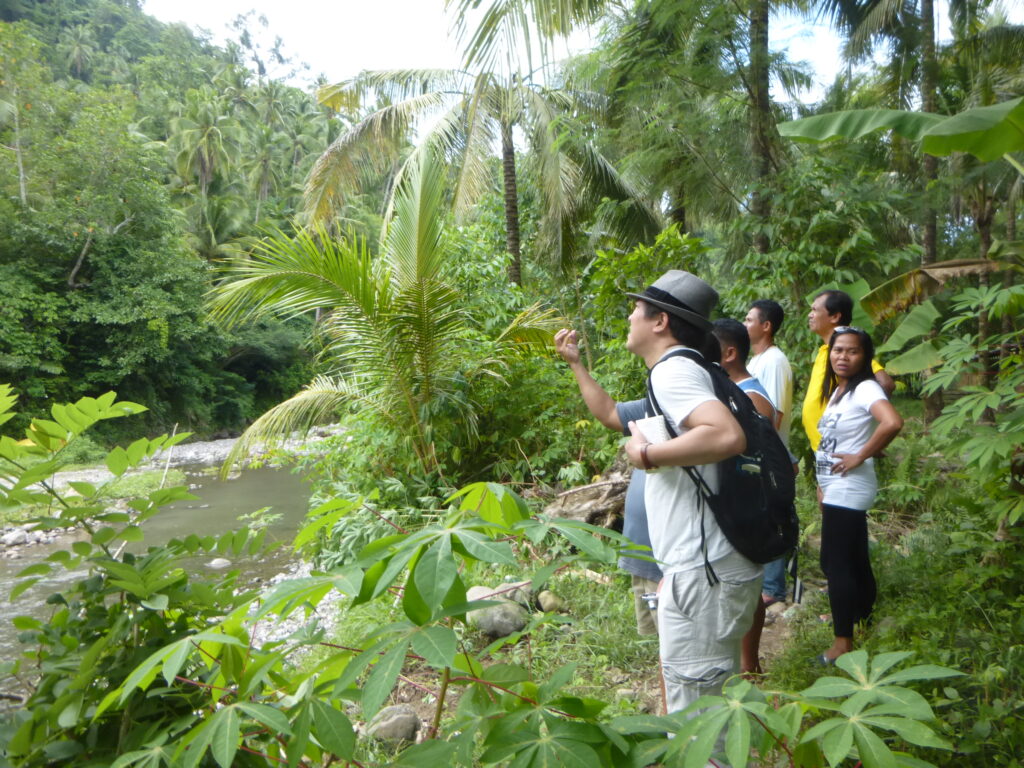
The project team observed local farmland and community conditions to understand what kind of support would be most practical. This included considering where agroforestry could be introduced, what kinds of trees and crops would be suitable, and how farmers could participate in the project.

Field survey in a rural farming area in Albuera, Leyte

Listening to Farmers and Local Communities

Agroforestry can only succeed when farmers understand it and can apply it in their own fields. For this reason, the preparation stage included listening carefully to local farmers and community members.

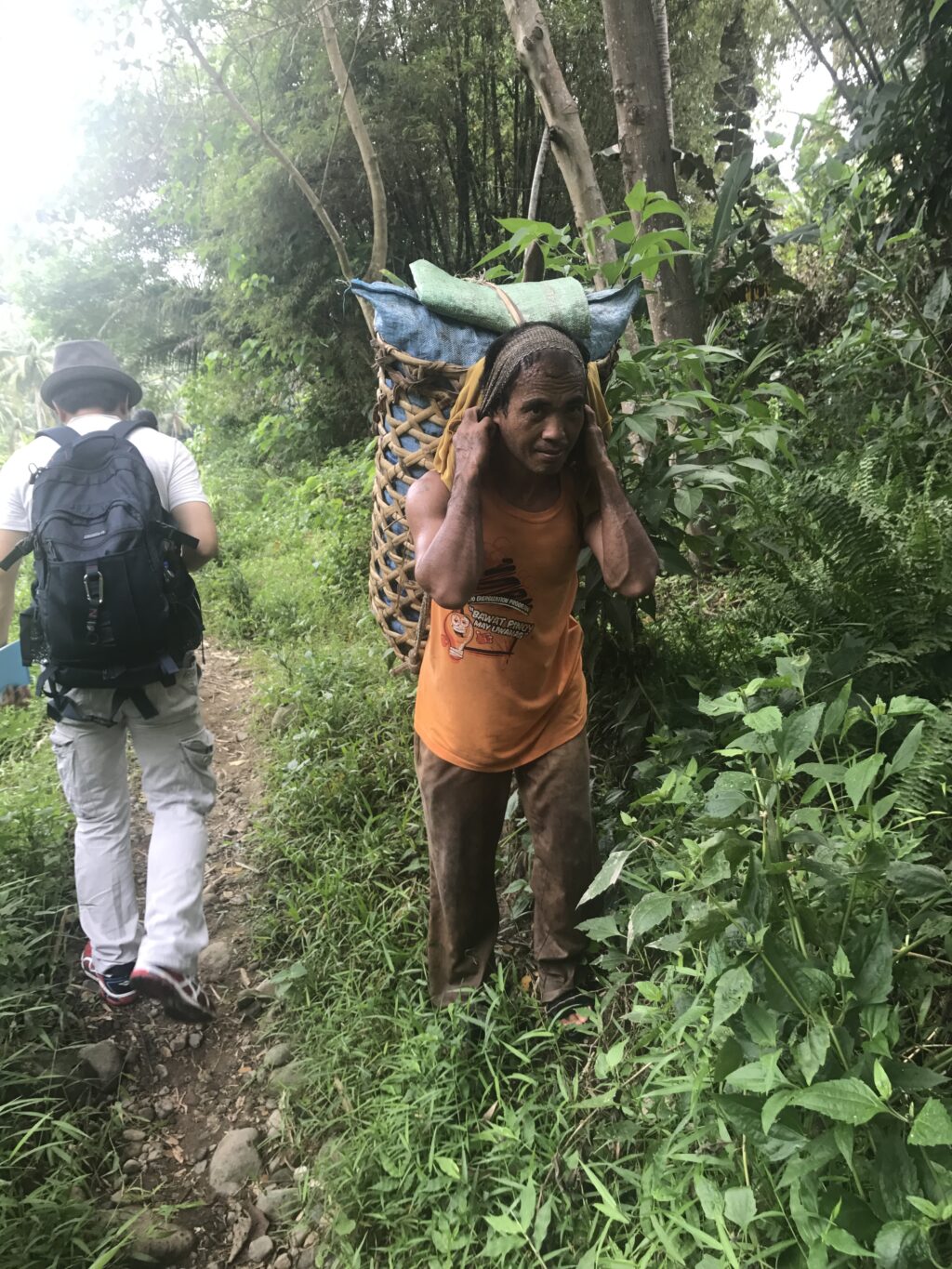
Through discussions and interviews, the project team learned about farmers’ concerns, available land, damaged crops, income challenges, and interest in planting trees, growing vegetables, and developing home gardens.

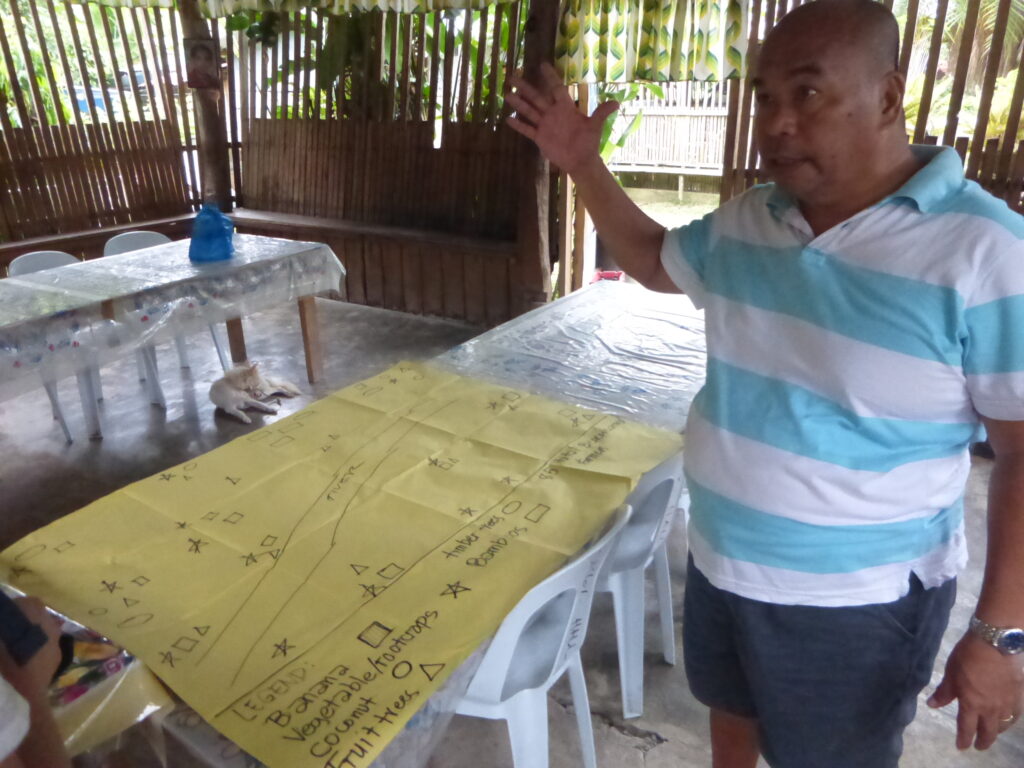
Local discussion with farmers about agroforestry project preparation in Leyte

Why Agroforestry Was Needed

Many farmers in Leyte depended heavily on coconut farming. When coconut trees are damaged, it can take years before they recover and produce income again. This makes farmers vulnerable to disasters, climate change, and market uncertainty.

Agroforestry offers a way to reduce this risk by combining different types of trees, fruit crops, vegetables, and home gardens. It can help restore the environment while also creating more diverse sources of food and income for farmers.

Environmental Recovery

Tree planting and agroforestry can help restore damaged land, protect soil, and support long-term ecological recovery.

Livelihood Support

Combining trees, fruits, and vegetables can reduce dependence on a single crop and create more stable livelihood options.

Climate Resilience

Diversified farming systems can help farmers prepare for future typhoons, droughts, and climate-related risks.

Identifying Future Activity Areas

The 2015 preparation stage helped identify where future activities could be implemented. This included considering suitable locations for demonstration farms, home gardens, and farmer training sessions.

Demonstration farms would later become important learning sites where farmers could see agroforestry methods in practice. The preparation stage helped clarify how these sites could support farmer-to-farmer learning in the following years.

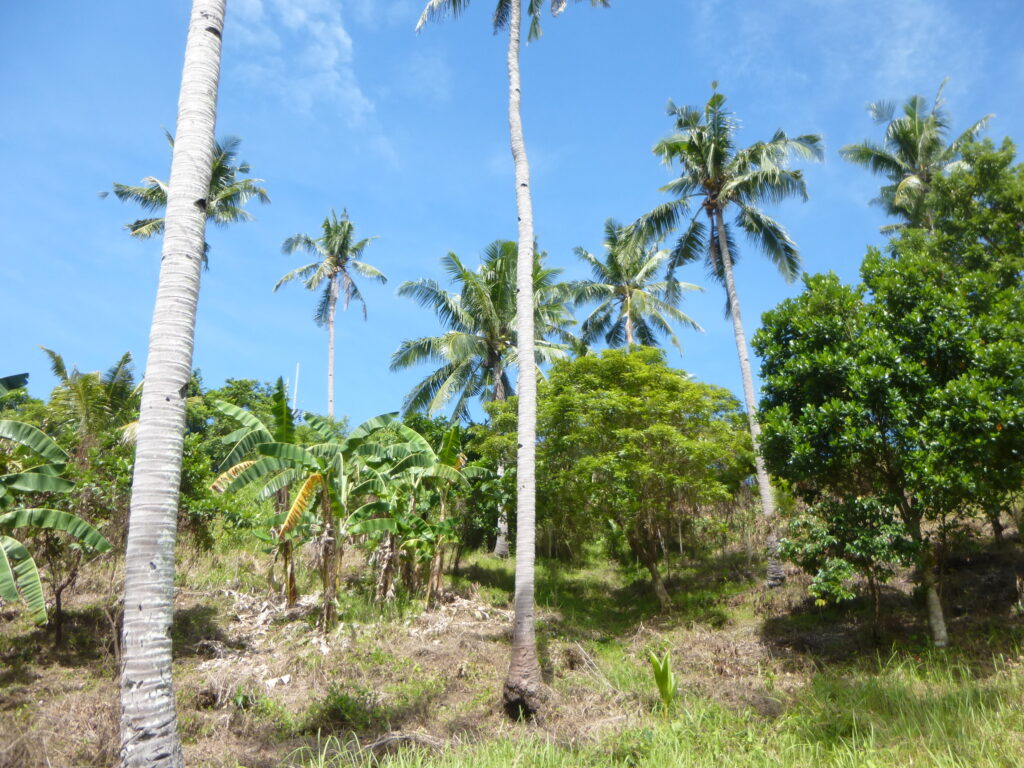
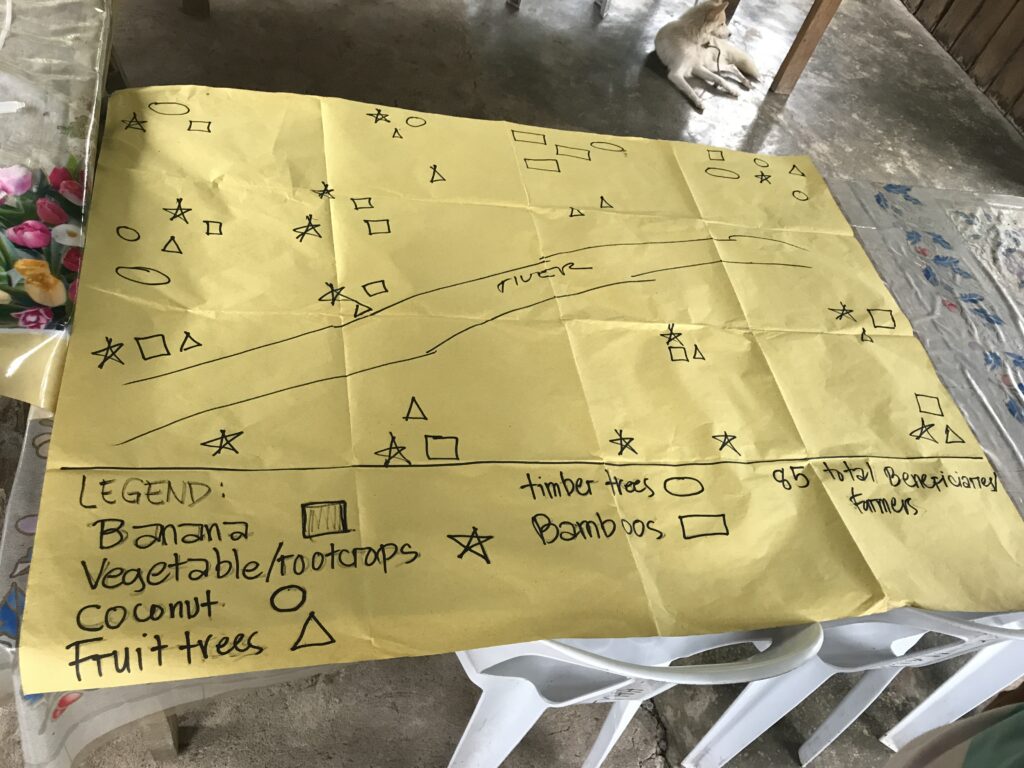
Potential agroforestry activity area identified during the 2015 project preparation stage

Preparing for Farmer Training

Farmer training was planned as one of the main activities for the following year. The 2015 survey helped determine what topics would be useful for farmers, such as seedling management, tree planting, home garden development, soil improvement, and sustainable land use.

This preparation was important because training needed to be practical and connected to farmers’ real conditions. The project aimed to help farmers not only learn the concept of agroforestry, but also apply it in their own fields and communities.

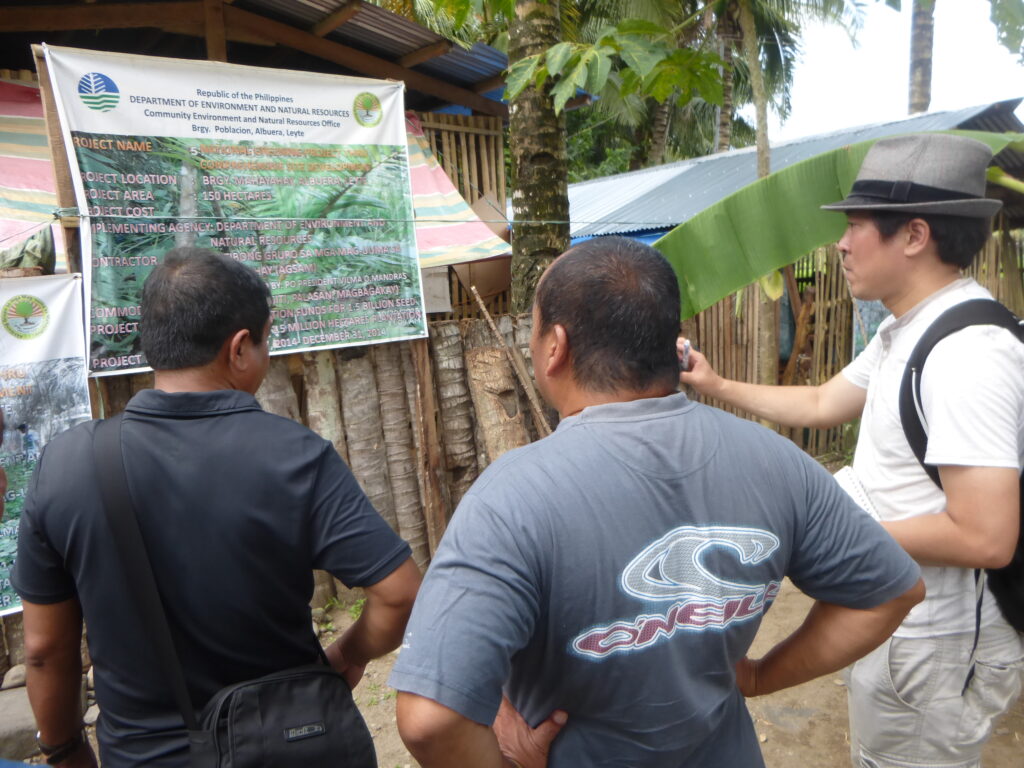
Community survey and local project preparation in Albuera, Leyte
Community survey and preparation
Local field condition observed during the agroforestry project preparation stage
Field condition observation
Rural farming area surveyed for future agroforestry activities
Potential activity area

Building a Foundation for Community-Based Activities

From the beginning, the project aimed to become a community-based effort rather than a one-time external support activity. For that reason, local relationships, farmer participation, and community leadership were important from the preparation stage.

The information gathered in 2015 later supported the design of farmer training, seedling distribution, demonstration farms, and the gradual transfer of activities to local leadership.

Community planning for future agroforestry activities and local leadership

2015 Activity Flow

The 2015 activities followed a step-by-step process: entering the local community, understanding farmers’ needs, identifying possible activity areas, and preparing for the full project launch.

1

Observe the Project Area

The team visited rural areas in Albuera to understand local farming conditions and the impact of typhoon damage.

2

Listen to Farmers

Farmers and community members shared their needs, challenges, and expectations for recovery and livelihood improvement.

3

Identify Practical Support

The team considered suitable forms of support, including training, seedling distribution, home gardens, and demonstration farms.

4

Prepare for the Next Stage

The preparation stage created the foundation for project launch, farmer training, and initial planting activities in 2016.

Summary of the 2015 Stage

The 2015 stage was essential because it helped the project understand the real situation of farmers and communities before starting full-scale activities. It clarified the need for agroforestry, home gardens, farmer training, and local organization development.

The foundation built in this year led to the 2016 activities, including the project launch, farmer training, seedling distribution, initial tree planting, and preparation for demonstration farms.

Annual Report Pages

The Japan Fund for Global Environment project is organized into annual report pages so readers can follow the project from preparation to implementation, expansion, and community-led continuation.

Next Report

The next report introduces the 2016 activities, including the project launch, farmer training, seedling distribution, initial planting, home garden support, and preparation for demonstration farms.