Mitsui Project Top
The parent page summarizes the full background, activities, results, and significance of the project.

2020 Apr-Sep Report
From April to September 2020, the Mitsui Environment Fund agroforestry project began in and around Palo, Leyte. This first stage focused on farmer surveys, demonstration farm selection, seedling and vegetable seed distribution, and preparation for agroforestry conversion.
The project started under the difficult conditions of COVID-19, but it still created an important foundation for future activities. By understanding farmers’ needs and distributing seedlings and seeds, the project helped rural communities begin rebuilding more resilient farming systems.
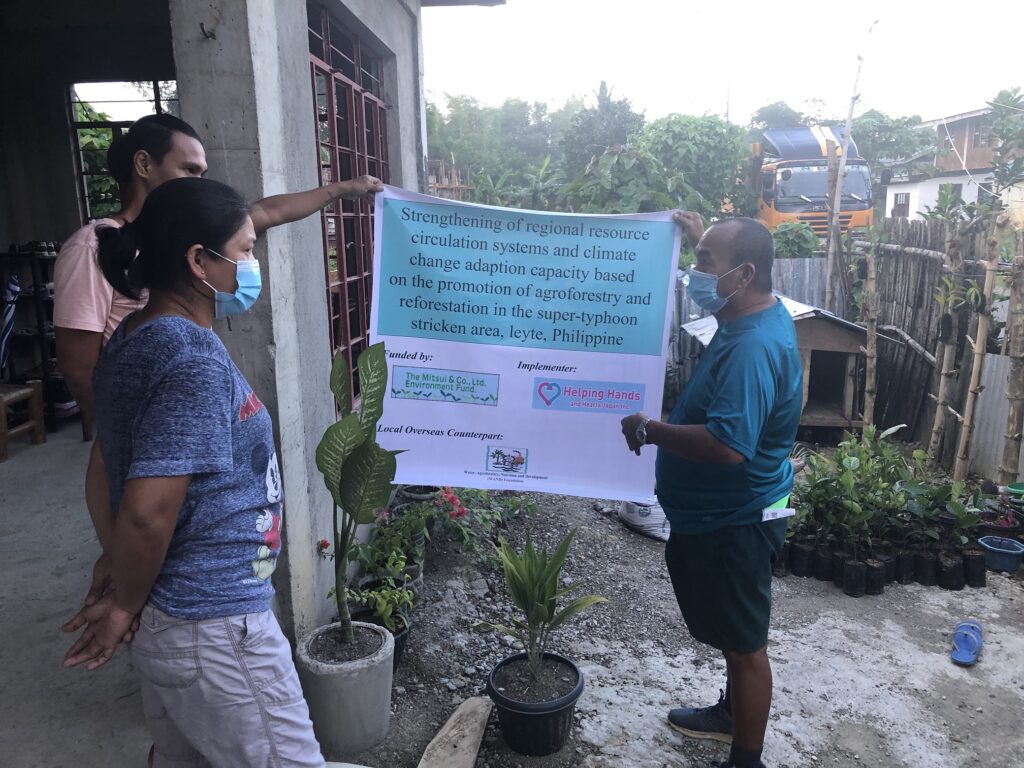
This period was the launch stage of the Mitsui Environment Fund project. The project team entered rural communities around Palo, Leyte, to understand the situation of coconut farmers and prepare for agroforestry conversion and tree planting activities.
The original plan included direct farmer meetings and face-to-face training, but COVID-19 caused travel and gathering restrictions. For this reason, the project had to move carefully while still laying the groundwork for farmer participation, demonstration farms, and seedling distribution.
From April to September 2020, the project focused on building the foundation for later activities. Farmer surveys, demonstration farm selection, and seedling and seed distribution were the main achievements of this first stage.
The project began in rural communities around Palo, Leyte. Many farmers in the area had experienced severe typhoon damage, and rebuilding farms and livelihoods remained a major challenge.
At the beginning of the project, it was important to understand local conditions, explain the purpose of the activities, and identify farmers who could participate in agroforestry conversion and demonstration farm development.
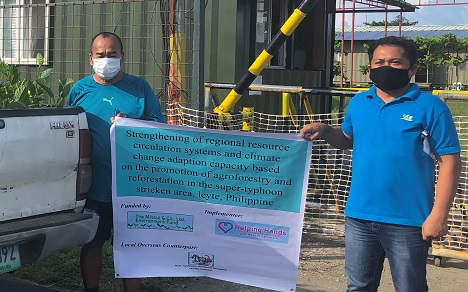
To identify participating farmers, the project surveyed coconut farming households and asked about typhoon damage, livelihood conditions, field conditions, and interest in future agricultural conversion.
This survey was not only a data collection activity. It also helped the project understand what farmers needed most and how seedling distribution, demonstration farms, and farmer-to-farmer learning could be organized in the following stages.
In communities affected by major typhoons, farmers need both long-term income sources and short-term food security. The survey results helped shape later support for tree planting and vegetable cultivation.
From April to June 2020, 30 farmers were identified as demonstration farms for agroforestry conversion. Demonstration farms were expected to become practical learning sites where surrounding farmers could see agroforestry methods in real fields.
Agroforestry becomes effective only when farmers continue practicing it on their own land. For this reason, the project emphasized farmer-to-farmer learning. Farmers who had started practicing agroforestry could later share their experience with neighbors.
Motivated farmers were selected to become practical examples of agroforestry conversion in the local community.
The project aimed to spread skills through farmers learning directly from other farmers nearby.
Demonstration farms were placed at the center of the project so activities could continue after the grant period.
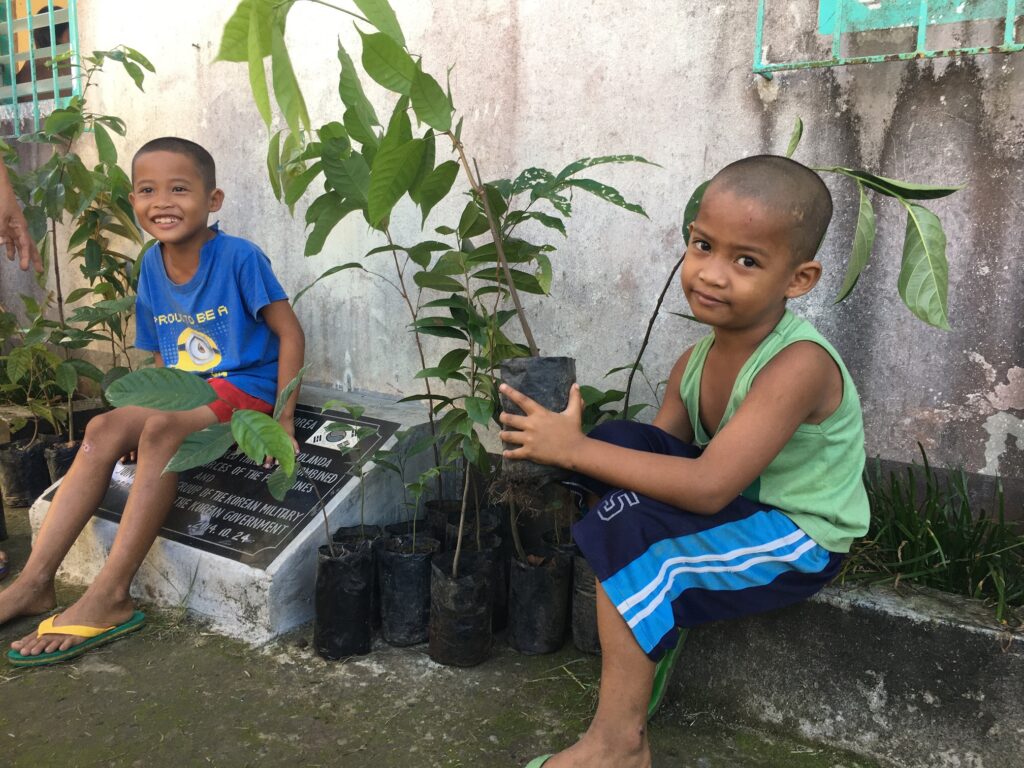
During this period, a total of 13,000 seedlings, including bamboo, and vegetable seeds were distributed to farmers. Seedlings were important for land restoration and future income sources.
Vegetable seeds were also important because they could support food security during the COVID-19 period. By combining long-term tree planting with shorter-term vegetable production, the project aimed to support farmers from multiple angles.
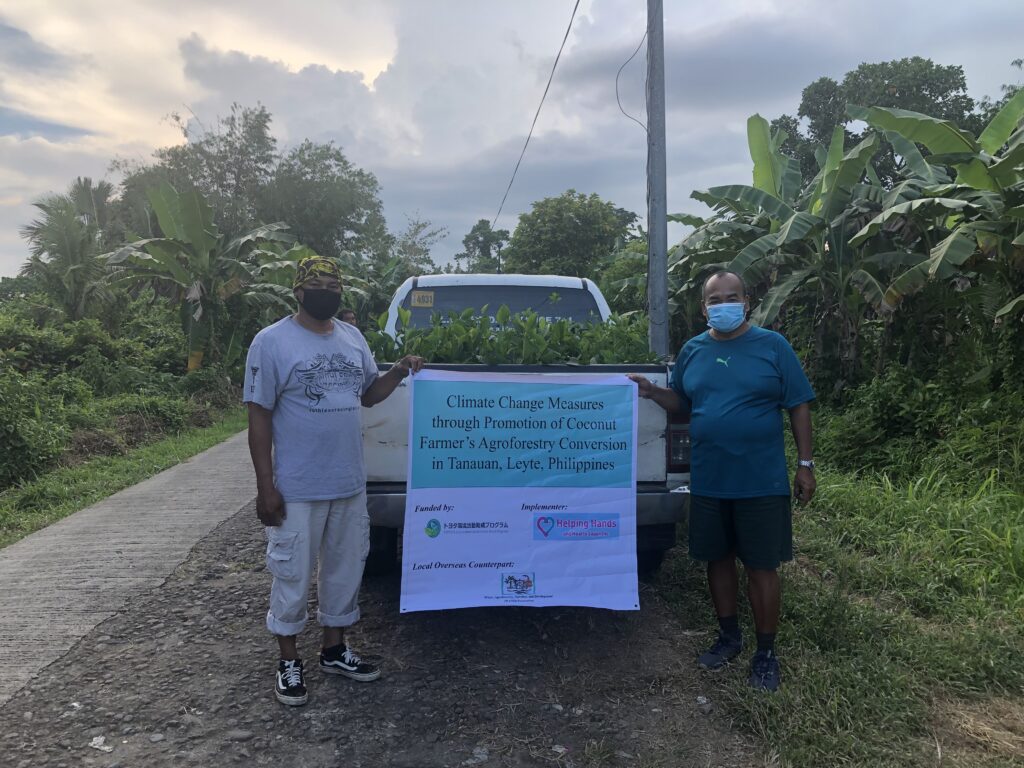
This first stage was not yet the period when all outcomes became visible. It was mainly a preparation stage for introducing agroforestry within the community.
By understanding farmer conditions, confirming participating farmers, identifying demonstration farms, and distributing seedlings and seeds, the project created the base for later training, planting, vegetable cultivation, poultry support, and local sales activities.
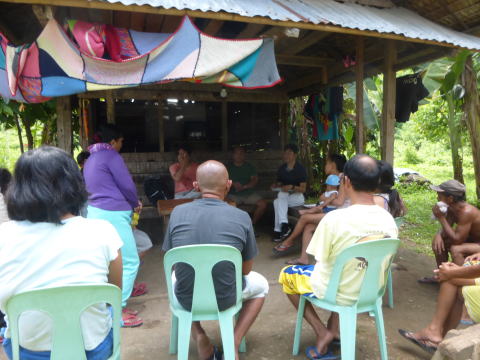
The project began just as COVID-19 restrictions affected travel, gatherings, and community activities. It became difficult to hold normal farmer meetings, training sessions, and regular field visits.
For this reason, the project had to balance safety and continuity. In later stages, the activities would shift to printed learning materials, phone and text-based follow-up, Zoom training, small-group face-to-face sessions, and online youth workshops in Japan.
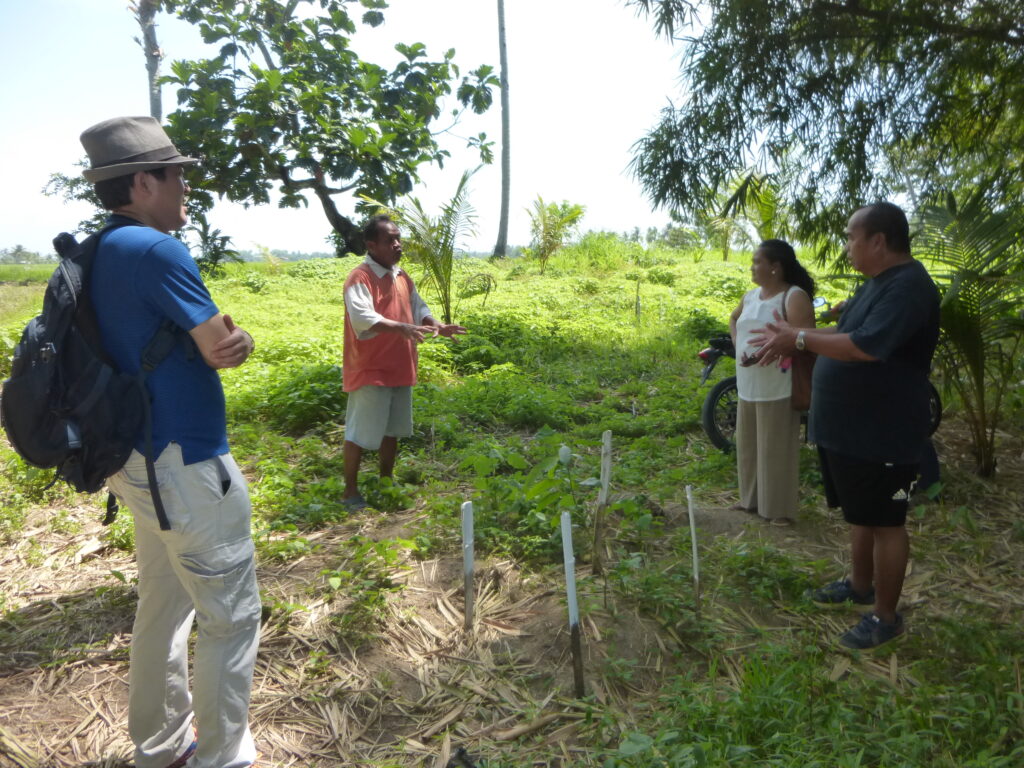
This first six-month period focused on surveys, participant identification, demonstration farm selection, and seedling and seed distribution.
The project team confirmed rural communities and farmland conditions around Palo, Leyte.
150 coconut farming households were surveyed to understand livelihoods, typhoon damage, and field conditions.
30 farmers were identified as demonstration farms for future farmer-to-farmer learning.
Seedlings, bamboo, and vegetable seeds were distributed to support planting and agroforestry conversion.
From April to September 2020, the Mitsui Environment Fund project established its foundation in Palo, Leyte. Even under difficult COVID-19 conditions, the project moved forward with farmer surveys, demonstration farm selection, and seedling and seed distribution.
The foundation created in this stage led to the next period, when activities continued through additional seedling distribution, printed learning materials, phone and text-based follow-up, and online environmental workshops for youth in Japan.
The Mitsui Environment Fund project is organized into period-based report pages so readers can follow the project from launch and farmer surveys to COVID-19 adaptation, small-group training, vegetable cultivation, poultry support, vegetable sales, and final results.
The parent page summarizes the full background, activities, results, and significance of the project.
Printed learning materials, seedling distribution, phone and text-based follow-up, and online youth workshops in Japan.
Small-group face-to-face training, vegetable seeds, organic fertilizer distribution, and youth environmental activities.
Final outcomes including tree planting, vegetable cultivation, poultry support, vegetable sales, COVID-19 adaptations, and youth activities.
The next report introduces the October 2020 to March 2021 stage, when the project continued under COVID-19 restrictions through printed learning materials, additional seedling distribution, phone and text-based follow-up, and online environmental workshops for youth in Japan.