2020 Oct-Mar Report
Seedling Distribution and Youth Workshops During COVID-19
From October 2020 to March 2021, the Mitsui Environment Fund project continued under COVID-19 restrictions through printed learning materials, additional seedling distribution, phone and text-based follow-up, and online environmental workshops for youth in Japan.
Although normal face-to-face training and field visits were difficult, the project did not stop. Instead, it adjusted its methods so that farmers could continue learning and planting while young people in Japan could still engage with climate change, typhoon damage, and agroforestry through online activities.
Role of the October 2020–March 2021 Stage
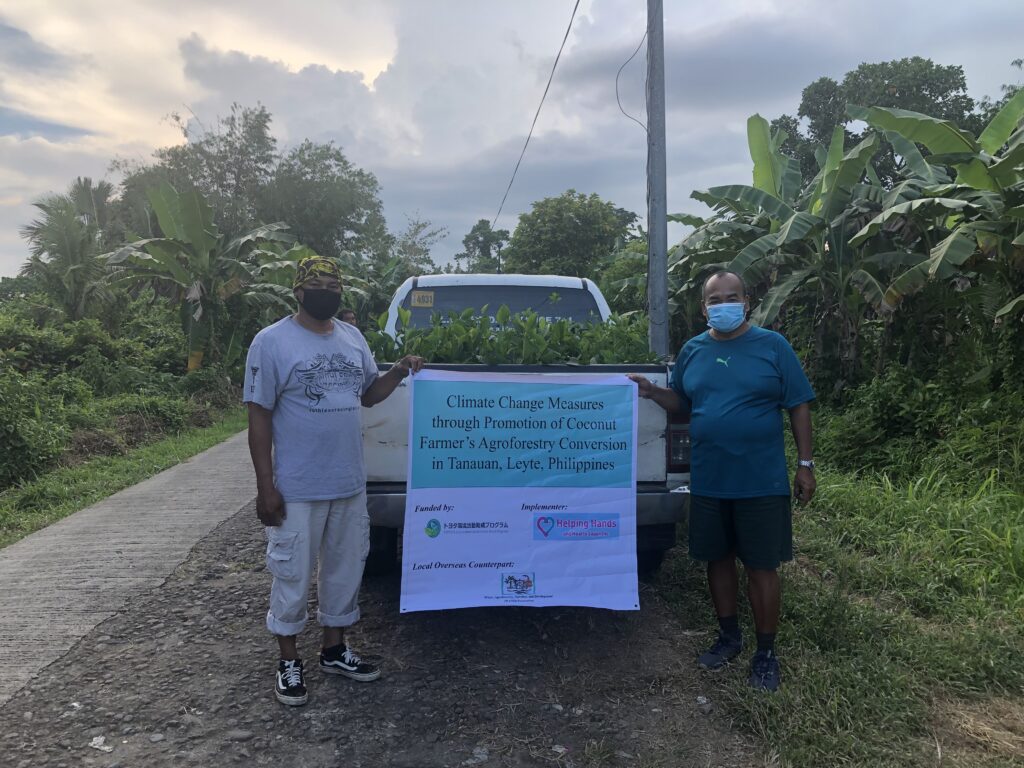
This period was a continuation stage under the difficult conditions of COVID-19. The project had already begun farmer surveys, demonstration farm selection, and the first seedling and vegetable seed distribution. The next step was to keep farmers connected to the project despite movement and gathering restrictions.
Because it was difficult to gather farmers for normal training, the project used printed learning materials, phone calls, text messages, and limited support activities. In Japan, the planned field study tour was replaced by online environmental workshops for youth.
Main Results
During this period, the project continued essential activities while adapting to COVID-19. Seedlings were distributed, farmers received printed learning materials, follow-up was conducted through phone and text messages, and youth environmental education continued online.
Adjusting Activities During COVID-19
In the second half of 2020, COVID-19 continued to affect travel, gatherings, and community activities. It became difficult to hold normal farmer training sessions or regular field visits.
For this reason, the project changed its training method. Instead of relying only on face-to-face sessions, printed learning materials were prepared so farmers could learn at home and in their own fields. This helped maintain the connection between farmers and the project.
Distribution of 12,000 Seedlings
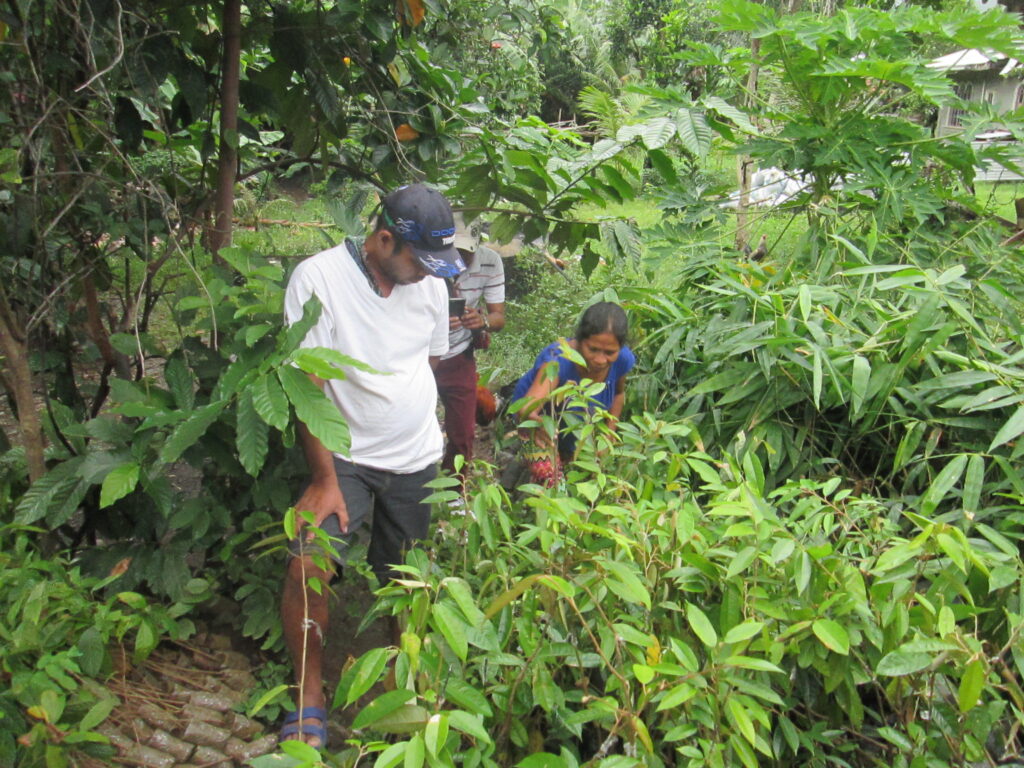
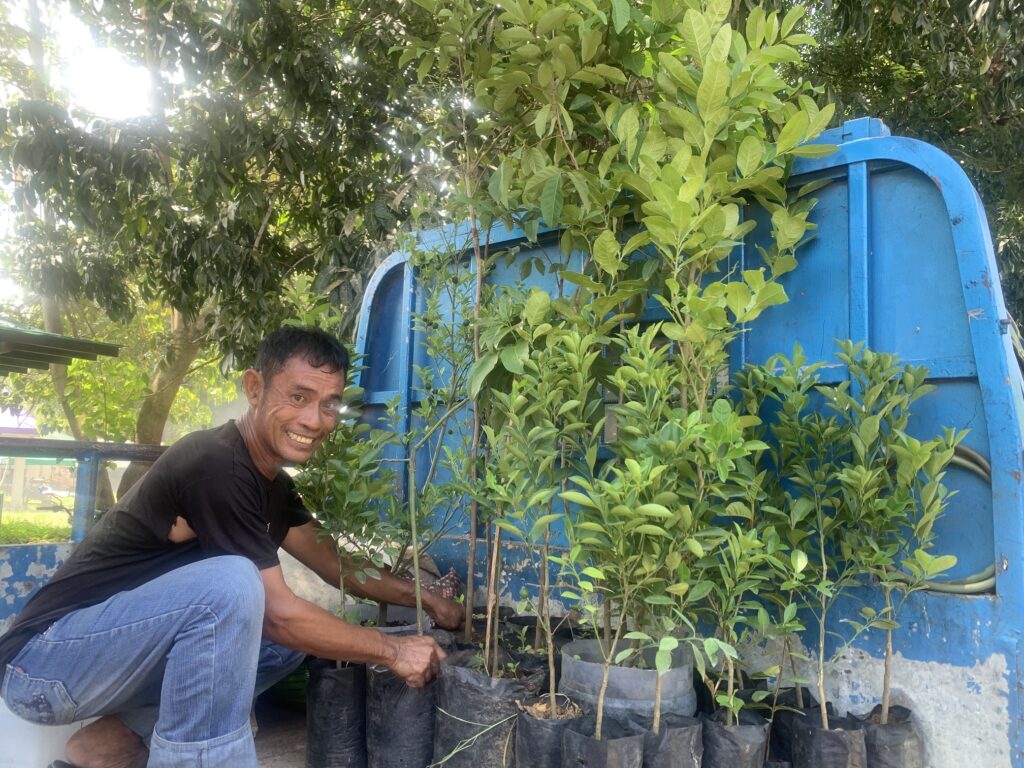
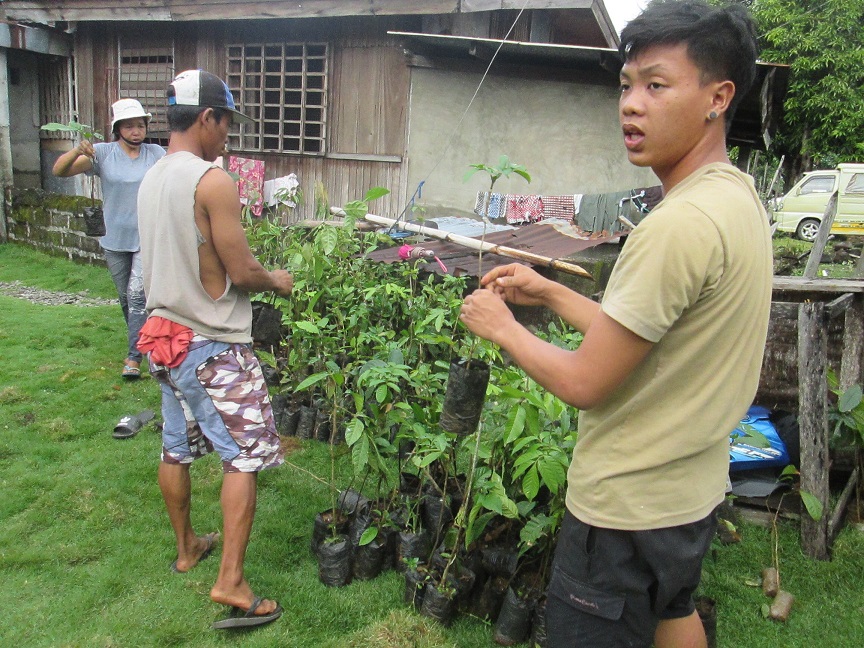
During this period, 12,000 seedlings were distributed to farmers. Seedling distribution was a key activity because it supported both land restoration and future income opportunities for farming households.
In communities affected by severe typhoon damage, rebuilding tree-based farming systems takes time. Each seedling represented a long-term investment in environmental recovery, food security, and diversified livelihoods.
Printed Learning Materials for Farmers
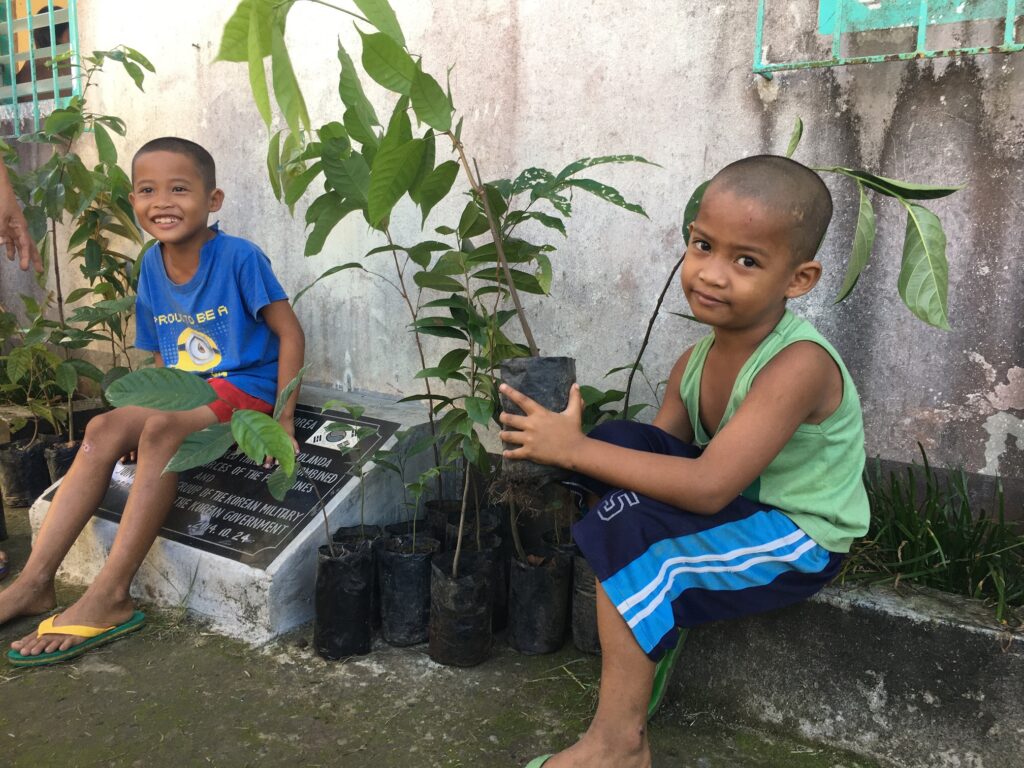
Because normal group training was difficult, printed learning materials became an important way to support farmer education. These materials helped farmers learn about agroforestry, seedling care, vegetable cultivation, and climate change adaptation at their own pace.
Printed materials were especially useful for farmers who had limited internet access or were not familiar with video calls. They could read and review the materials with their families while continuing field activities.
Phone and Text-Based Follow-Up
When field visits and group meetings were limited, the project used phone calls and text messages to follow up with farmers. These methods were used to check whether seedlings had been planted, whether farmers were facing problems, and what kind of support might be needed next.
This kind of communication was simple but important. It helped the project continue supporting farmers even when direct contact was difficult. It also helped prepare for the next stage of activities, including small-group training and additional seed and organic fertilizer distribution.
Maintaining Contact
Phone calls and text messages helped keep farmers connected to the project under movement restrictions.
Checking Progress
The project could ask farmers about seedling planting, crop management, and practical challenges.
Preparing Next Steps
Follow-up information helped shape the next period of small-group training and vegetable seed distribution.
Online Environmental Workshops for Youth in Japan
The project originally planned a field study tour, but it could not be held because of COVID-19. Instead, the project organized online environmental workshops for youth in Japan.
The workshops introduced topics such as typhoon damage in the Philippines, agroforestry, climate change, SDGs, and international cooperation. Even without traveling to the field, young participants could learn about environmental issues and consider how they are connected to global communities.
Challenges Under COVID-19
This period showed how strongly COVID-19 could affect community-based environmental projects. Training sessions, field visits, and local meetings had to be limited or changed. The project could not proceed exactly as originally planned.
At the same time, the project showed that flexible methods could keep activities moving. Printed materials, phone and text communication, and online workshops helped maintain learning, planting, and environmental education.
Achievement Level and Outlook for the Next Stage
Because of COVID-19 restrictions, some planned activities could not be fully implemented during this period. However, the project maintained its foundation through seedling distribution, learning materials, farmer communication, and online youth education.
In the next stage, from April to September 2021, the project would try Zoom training and then shift to small-group face-to-face training. This would lead to 21 training sessions, 102 participants by the end of September 2021, and the distribution of vegetable seeds and organic fertilizer to 91 farmers.
October 2020–March 2021 Activity Flow
This stage focused on adjusting project methods under COVID-19 restrictions while continuing seedling distribution, farmer support, and youth environmental education.
Adjust Activity Methods
Because normal face-to-face training was difficult, the project shifted toward printed materials and remote communication.
Distribute Seedlings
12,000 seedlings were distributed to farmers to continue tree planting and agroforestry conversion.
Follow Up with Farmers
Phone and text messages were used to check farmer progress and identify next support needs.
Continue Youth Education
Online workshops in Japan replaced the field study tour and continued environmental education for young people.
Summary of This Stage
From October 2020 to March 2021, the Mitsui Environment Fund project continued under COVID-19 restrictions. Normal face-to-face activities were limited, but the project adapted through seedling distribution, printed learning materials, phone and text-based follow-up, and online environmental workshops for youth in Japan.
The adjustments made during this period helped the project move into the next stage, where training methods were changed again to better match farmers’ real conditions through small-group face-to-face sessions.
Report Pages by Period
The Mitsui Environment Fund project is organized into period-based report pages so readers can follow the project from launch and farmer surveys to COVID-19 adaptation, small-group training, vegetable cultivation, poultry support, vegetable sales, and final results.
Project Launch, Farmer Survey, and Seedling Distribution
Farmer surveys, demonstration farm selection, seedling and vegetable seed distribution, and preparation for agroforestry conversion.
Mitsui Project Top
The parent page summarizes the full background, activities, results, and significance of the project.
Small-Group Training and Vegetable Seeds
Small-group face-to-face training, vegetable seeds, organic fertilizer distribution, and youth environmental activities.
Tree Planting, Poultry Support, Vegetable Sales, and Results
Final outcomes including tree planting, vegetable cultivation, poultry support, vegetable sales, COVID-19 adaptations, and youth activities.
Next Report
The next report introduces the April to September 2021 stage, when the project shifted from Zoom training to small-group face-to-face training, distributed vegetable seeds and organic fertilizer, and continued youth environmental activities in Japan.