
Climate Action and Community Recovery
Agroforestry Project
Helping Hands and Hearts Japan has worked on agroforestry projects in rural communities in Leyte, Philippines, to support recovery from typhoon damage, adaptation to climate change, and the rebuilding of local livelihoods.
This project is not simply about planting trees or supporting agriculture. It is an effort to restore the natural environment, strengthen the livelihood base of farmers, and pass on a more sustainable way of living to the next generation.
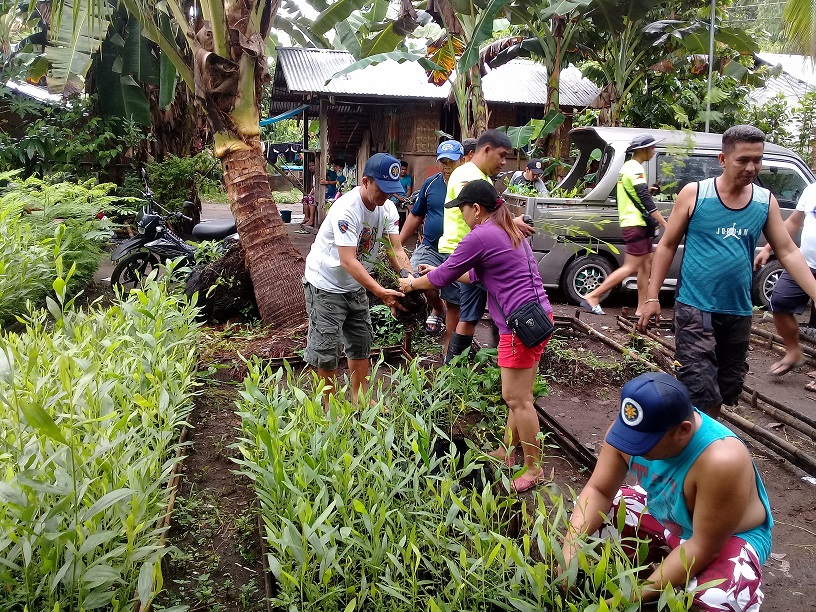
What is Agroforestry?
Agroforestry is a sustainable land-use approach that combines agriculture and tree-based environmental restoration. By integrating vegetables, root crops, fruit trees, forest trees, bamboo, livestock, and organic fertilizer, it helps diversify farmers’ sources of food and income while restoring soil, water, and forest environments.
In Leyte, Philippines, many coconut farmers suffered serious damage from typhoons. Farming systems that depend only on coconuts are vulnerable when another disaster occurs. For this reason, shifting toward agriculture that combines multiple crops and trees is important for both livelihood recovery and climate change adaptation.
Project Background
In November 2013, Typhoon Haiyan, known locally as Yolanda, struck the Philippines and caused serious damage in Leyte and surrounding areas. In rural communities, coconut farmers’ livelihoods and the surrounding forest environment were heavily affected.
Coconut trees take many years to produce fruit after being replanted. During that period, farmers need alternative sources of income. In addition, when farmers depend only on coconuts, they remain highly vulnerable to future typhoons and climate-related disasters.
For this reason, HHHJapan focused on agroforestry as a way to support both the recovery of farmers’ livelihoods and the restoration of the local environment. The original project concept included cassava, sweet potato, taro, vegetables, bananas, mangoes, jackfruit, pomelo, cacao, mahogany, bamboo, and livestock within a diversified farming system.
Project Area Maps
During the early planning stage, the project team reviewed the target areas in Leyte while considering local farming conditions, typhoon damage, farmers’ needs, and the possibility of introducing agroforestry. The following maps help explain the geographical background of the project area.
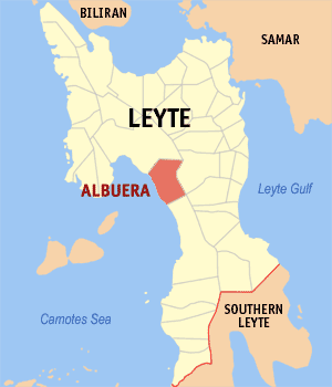
Location of Albuera
Albuera was one of the important project areas in the early Japan Fund for Global Environment project. The project concept focused on supporting coconut farmers affected by typhoon damage and helping them shift toward agroforestry in rural communities around Albuera.
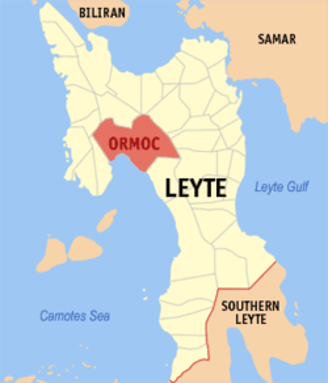
Ormoc and Surrounding Areas
The Ormoc area is part of the broader geographical context of western Leyte. Together with Albuera and nearby rural communities, it helps explain the regional background of the agroforestry and recovery activities in Leyte.
Basic Project Concept
The early project concept aimed to restore both rural livelihoods and the local environment by supporting coconut farmers in shifting to agroforestry.
The proposed agroforestry system combined crops for household consumption and sale, fruit trees, timber trees, bamboo, and livestock. Root crops and vegetables were expected to support food security and short-term income, while fruit trees and timber trees would become longer-term sources of value.
Livestock was also considered as part of the system. Animal manure could be used as organic fertilizer, while root crops could be used as feed. In this way, the project aimed to create a circular farming system within local communities.
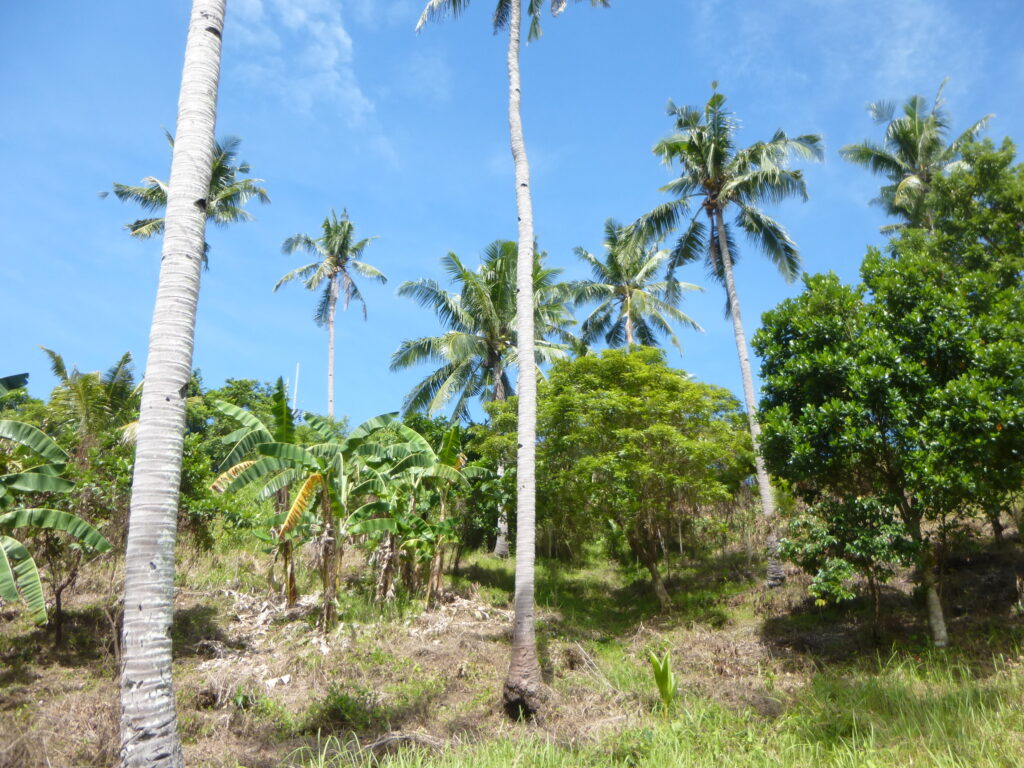
Three Core Pillars
HHHJapan’s agroforestry activities were built around three connected pillars: environmental restoration, livelihood improvement, and community-led continuation.
1. Environmental Restoration
Planting fruit trees, timber trees, and bamboo helps reduce soil erosion, improve water retention, restore forest functions, and reduce future disaster risks.
2. Livelihood Improvement
Combining vegetables, root crops, fruit trees, and livestock helps farmers reduce dependence on coconuts and create more diverse food and income sources.
3. Community-Led Continuation
Demonstration farms, farmer-to-farmer extension, producer committees, and cooperatives help local farmers continue and expand activities by themselves.
Activity Design Based on a Logic Model
During the planning stage, the project was organized through a logic model connecting activities, outputs, outcomes, and the overall objective. This helped clarify how each activity would lead to environmental recovery and livelihood improvement.
Actions
Crop suitability assessment, coconut farmer surveys, material provision, identification and training of demonstration farms, farmer-to-farmer extension, cooperative development, and market development.
Outputs
Tree and crop planting, conversion to agroforestry intercropping, demonstration farms, cooperative development, and identification of product markets.
Outcomes
Reduction of soil erosion, increased freshwater supply, improved farm subsistence, wider farmer-to-farmer extension, product sales systems, and improved farm income.
Objective
Recovery of the natural environment and the lives of coconut farmers in target rural areas of Leyte through community-based agroforestry and local sales systems.
Demonstration Farms and Farmer-to-Farmer Extension
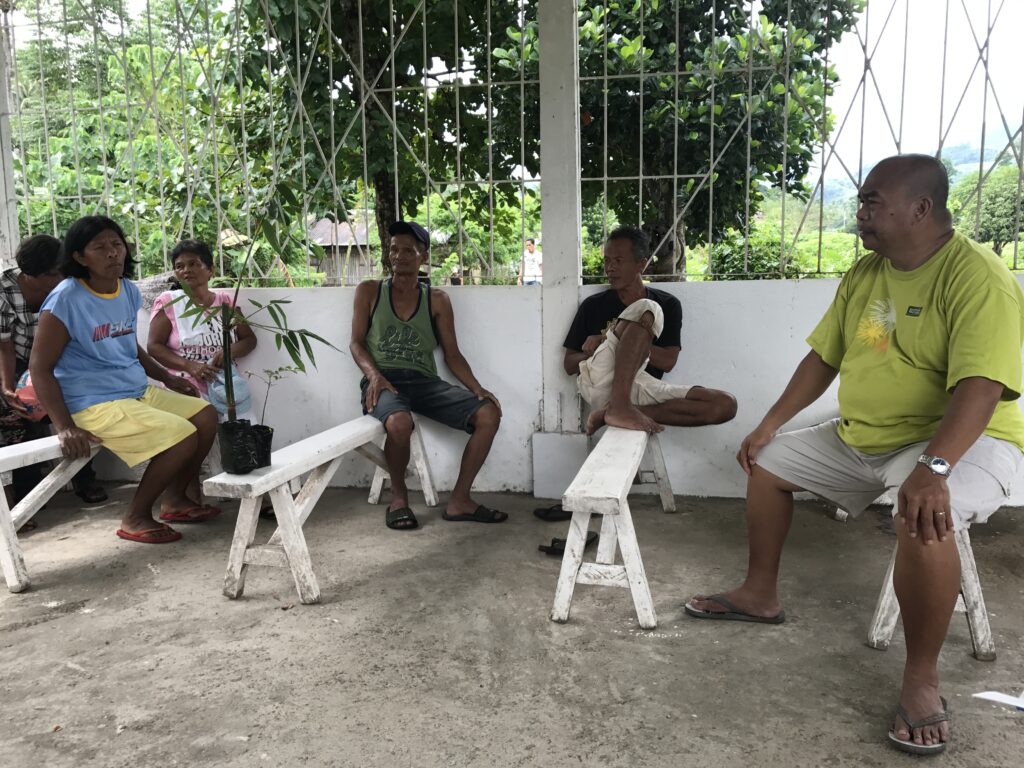
One of the key features of the project was the use of demonstration farms. Farmers who were interested in shifting to agroforestry were identified and trained, and their farms served as practical examples for neighboring farmers.
For many farmers, seeing a nearby farmer practice agroforestry is more convincing than simply receiving an explanation from outside experts. Demonstration farms help spread techniques, build trust, and encourage wider participation within the community.
Primary Cooperatives and Product Sales
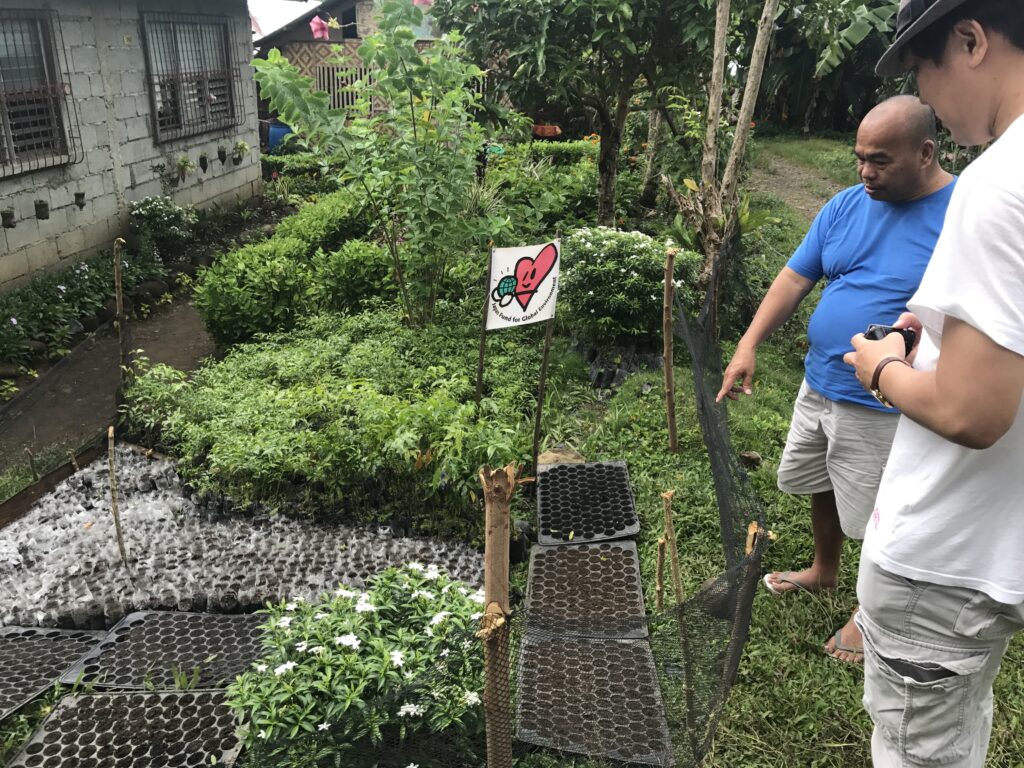
Even if farmers grow new crops, livelihood improvement is difficult unless they have access to markets. For this reason, the project concept included the establishment of primary cooperatives and the development of sales channels for agricultural products.
Through producer committees and cooperatives, farmers could work together to sell organic products and processed goods. The long-term concept also included processed products such as sweet potato chips, cassava flour, and taro chips as possible value-added products.
Professional Guidance and Cooperation
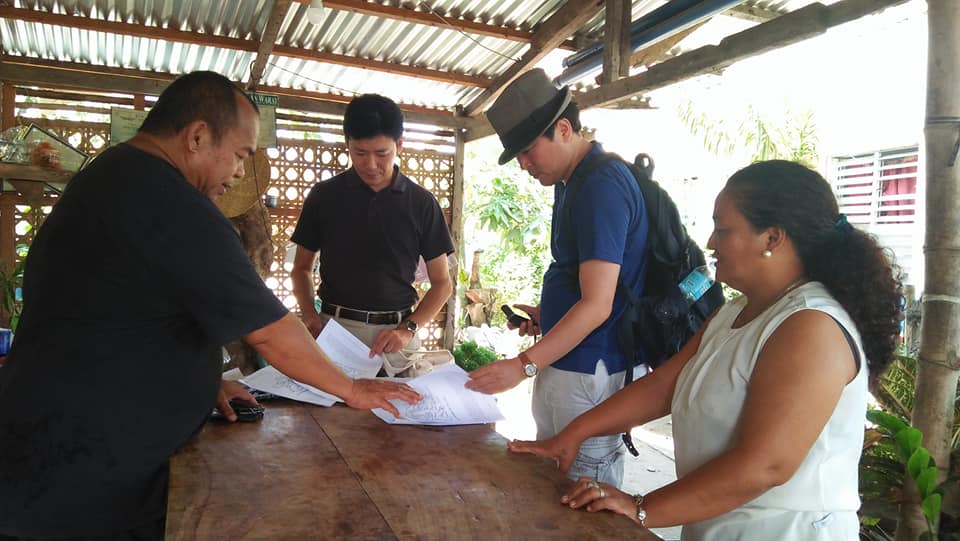
HHHJapan’s agroforestry activities were carried out through cooperation among HHHJapan, the WAND Foundation as the local implementing organization, Japanese experts, and local specialists. The projects combined professional planning and guidance from Japan with practical, community-based implementation in the field.
Professor Yuichiro Amekawa
Project planning, professional guidance, and advice
Professor Yuichiro Amekawa of Ritsumeikan University provided professional guidance and advice on project planning and overall direction. His research focuses on the role of sustainable agriculture, including organic farming, integrated farming, and agroforestry, in supporting small-scale farmers and environmental conservation.
Dr. Elmer
Local implementation, community guidance, and professional cooperation
For local implementation and community-based activities, Dr. Elmer of the WAND Foundation provided professional cooperation. Through relationships with farmers, local organizations, and rural communities, he played an important role in connecting the concept of agroforestry with practical community action.
HHHJapan worked to combine professional knowledge with field-based practice in order to support livelihood recovery, agricultural diversification, and environmental restoration in rural areas of Leyte, Philippines.
Three Grant-Funded Projects
HHHJapan’s agroforestry activities have been supported by multiple grants and have developed step by step over time. The following three grant-funded projects were implemented in different areas and periods, showing the continuity and expansion of this work.
Japan Fund for Global Environment Project
Project site: Rural communities around Albuera, Leyte
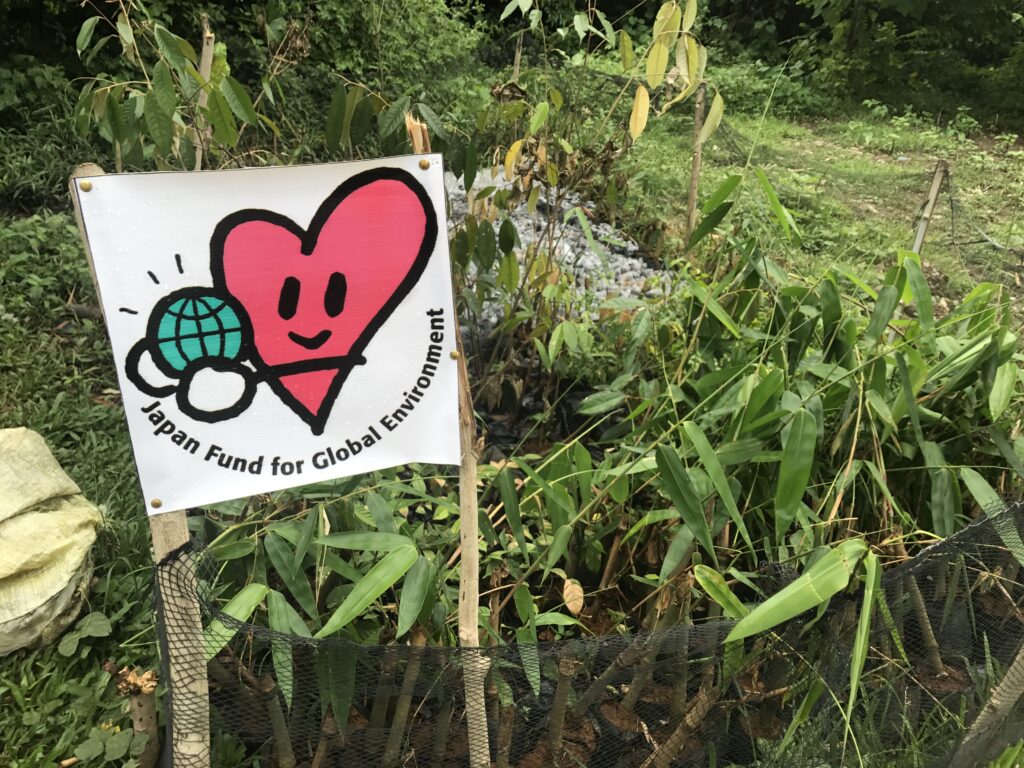
This project supported the livelihood recovery of coconut farmers affected by typhoon damage and the restoration of the rural environment through farmer surveys, tree planting, demonstration farms, home gardens, and local continuation.
View details of the Japan Fund for Global Environment Project
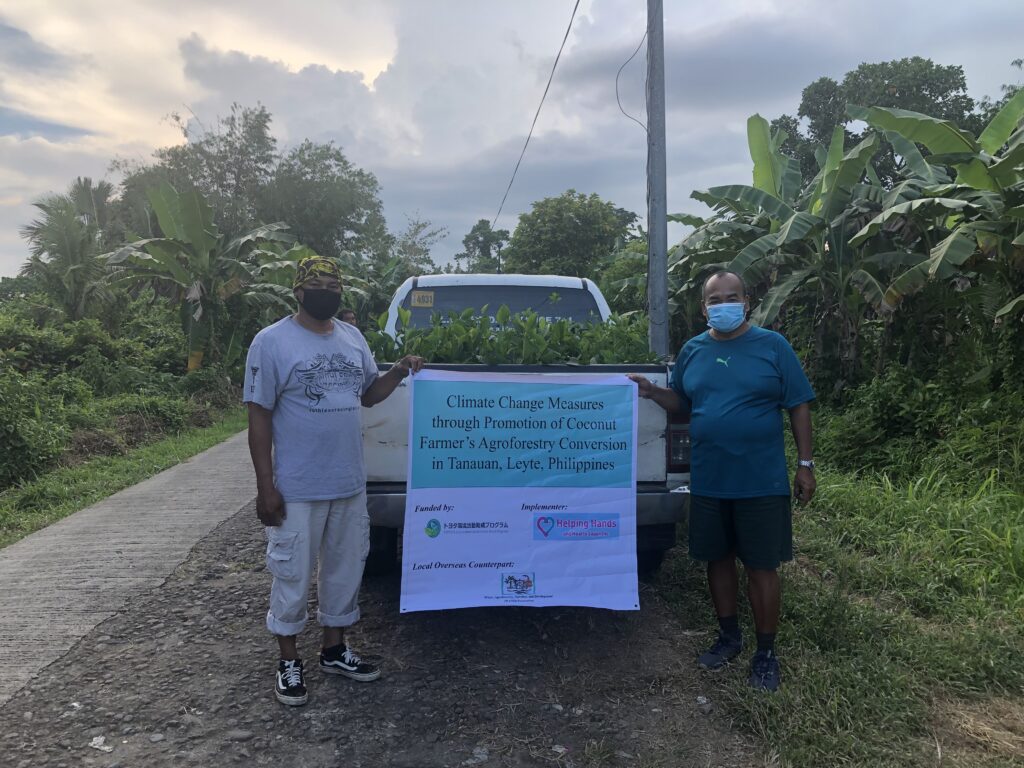
Toyota Environmental Activities Grant Program
Project site: Rural communities around Tanauan, Leyte
This project promoted agroforestry, farmer training, demonstration farms, climate change seminars, community organization building, and continued activities during the COVID-19 period.
View details of the Toyota Environmental Activities Grant Program
Mitsui Environment Fund Project
Project site: Rural communities around Palo, northeastern Leyte
This project focused on climate change adaptation, seedling distribution, vegetable cultivation, poultry support, small-group training, youth environmental education, and sustainable rural development.
Main Activities
Across the three projects, HHHJapan worked with local partners to support farmers, restore rural environments, and create practical learning opportunities within communities.
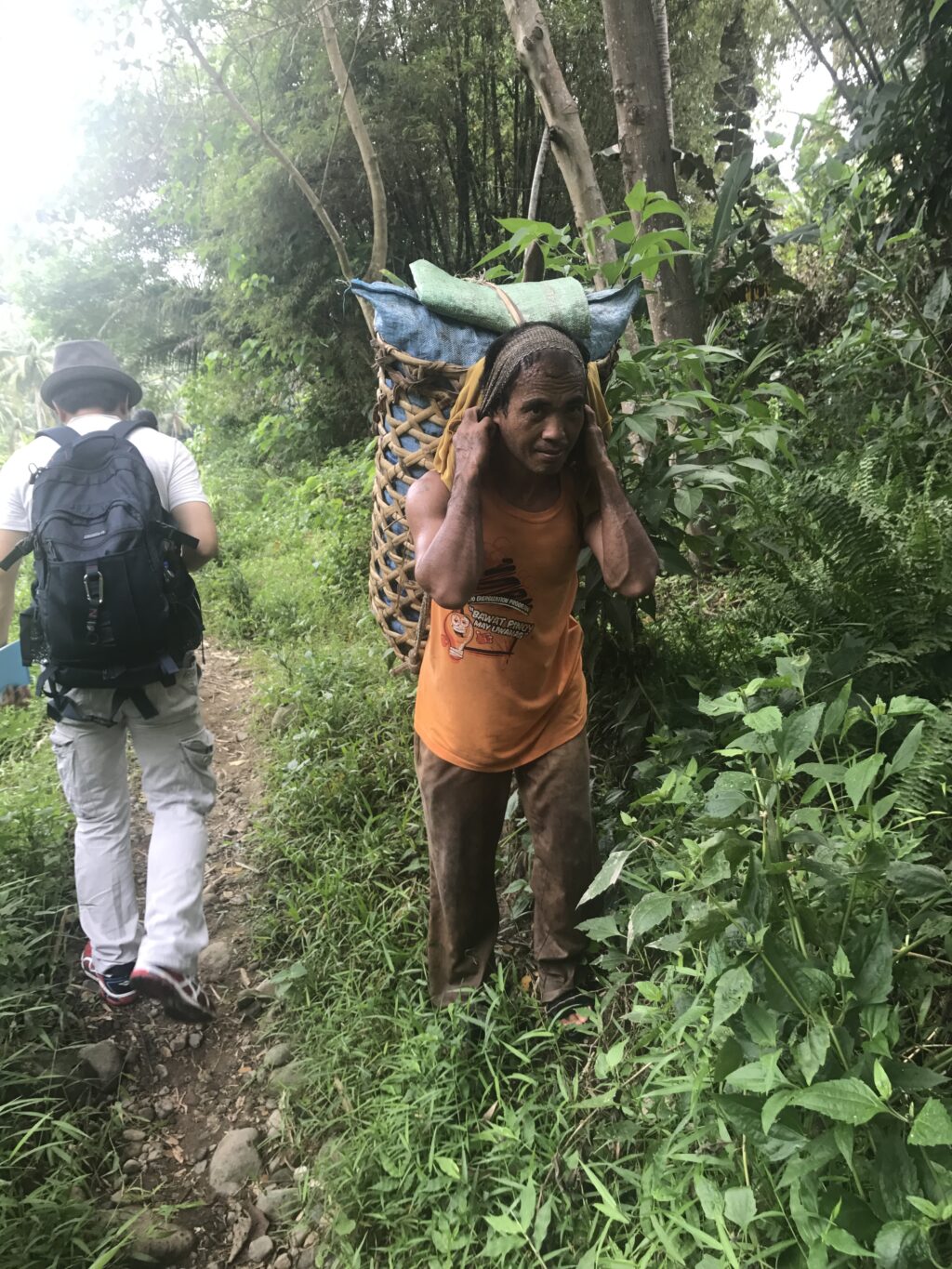
Farmer Training
Farmers learned about agroforestry, organic farming, crop diversification, and circular farming systems that combine crops and livestock.
Demonstration Farms
Model farms were developed as practical learning sites where local farmers could observe and learn agroforestry methods directly.
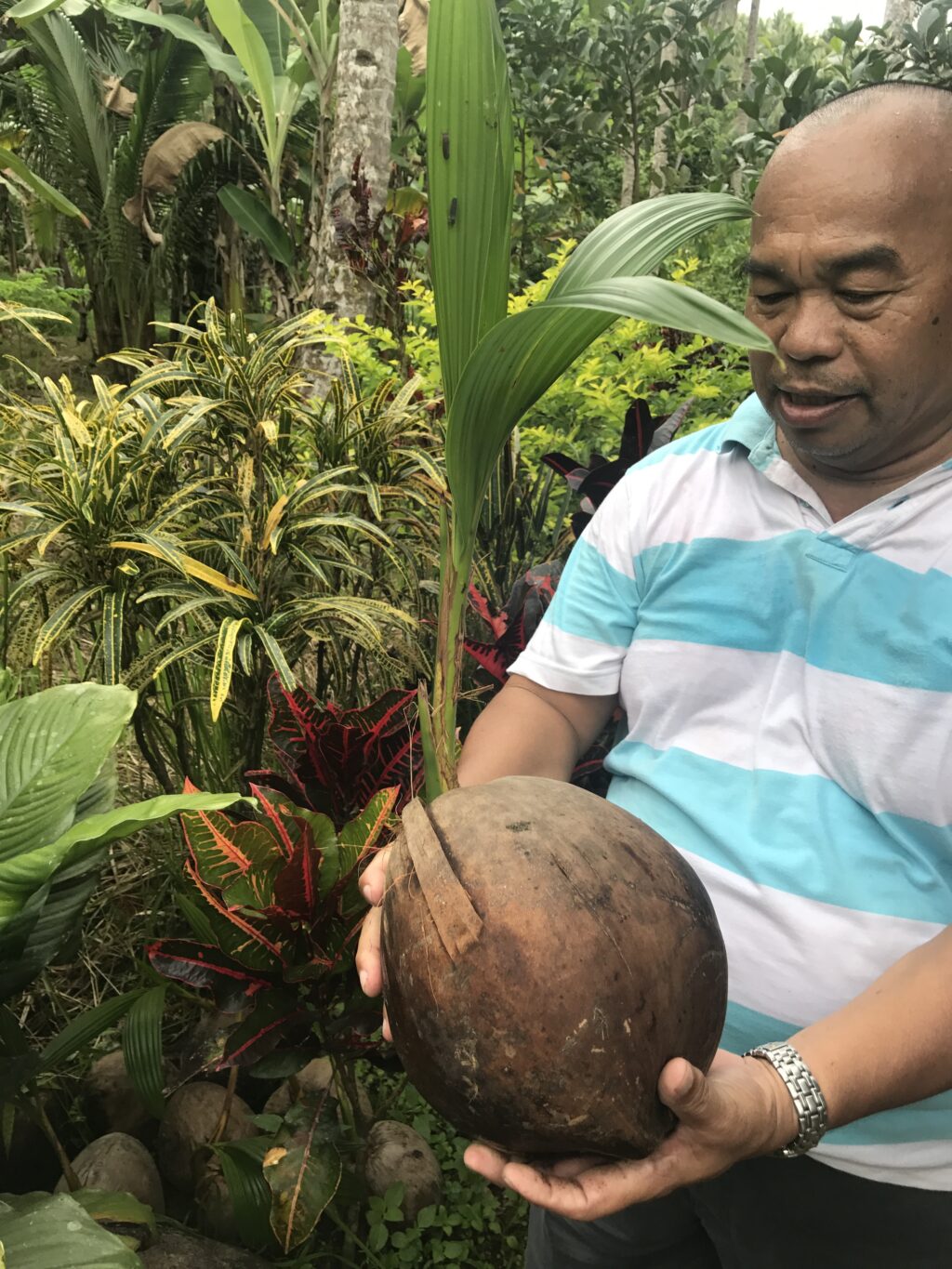
Tree Planting and Environmental Recovery
By planting fruit trees, forest trees, and bamboo, the projects aimed to support future income sources and restore environmental functions.
Project Photos
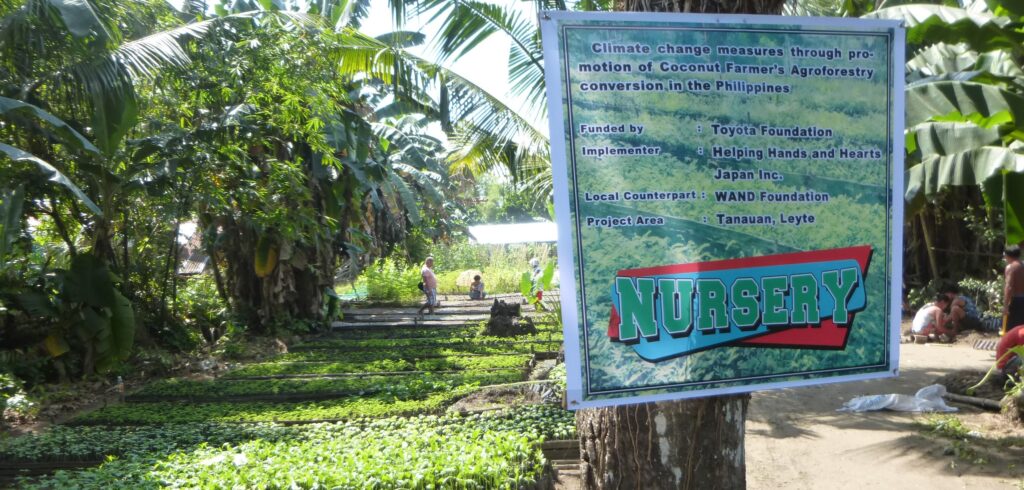
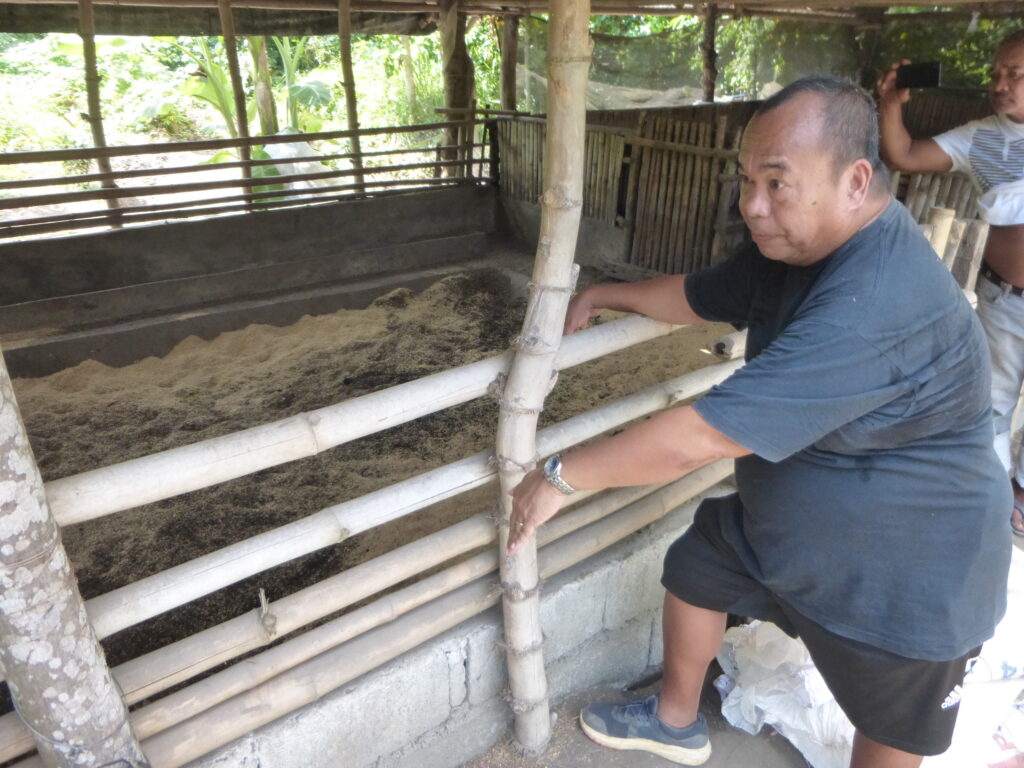
These photos show agroforestry activities, farmer training, seedling distribution, vegetable cultivation, poultry support, and community-based environmental work in Leyte.
Activity Report Pages
Detailed activity reports, annual project reports, interim reports, and final reports for each grant-funded project are organized and published on this official website.
Japan Fund for Global Environment Project
Project site: Rural communities around Albuera, Leyte
Toyota Environmental Activities Grant Program
Project site: Rural communities around Tanauan, Leyte
Mitsui Environment Fund Project
Project site: Rural communities around Palo, northeastern Leyte
The Significance of This Work for HHHJapan
Helping Hands and Hearts Japan aims to build a society where people, communities, and nature support one another through education, community support, multicultural coexistence, and environmental activities.
Agroforestry is not only an environmental activity. It connects the livelihoods of disaster-affected farmers, local nature, learning for the next generation, and the creation of a sustainable society.
We will continue to record and share our past activities and connect them to future education, environmental action, and international cooperation.
For Those Interested in Our Activities
If you are interested in HHHJapan’s environmental activities, educational activities, or international cooperation, please feel free to contact us. We will continue to organize our past activity reports and expand learning and practice that can contribute to society.