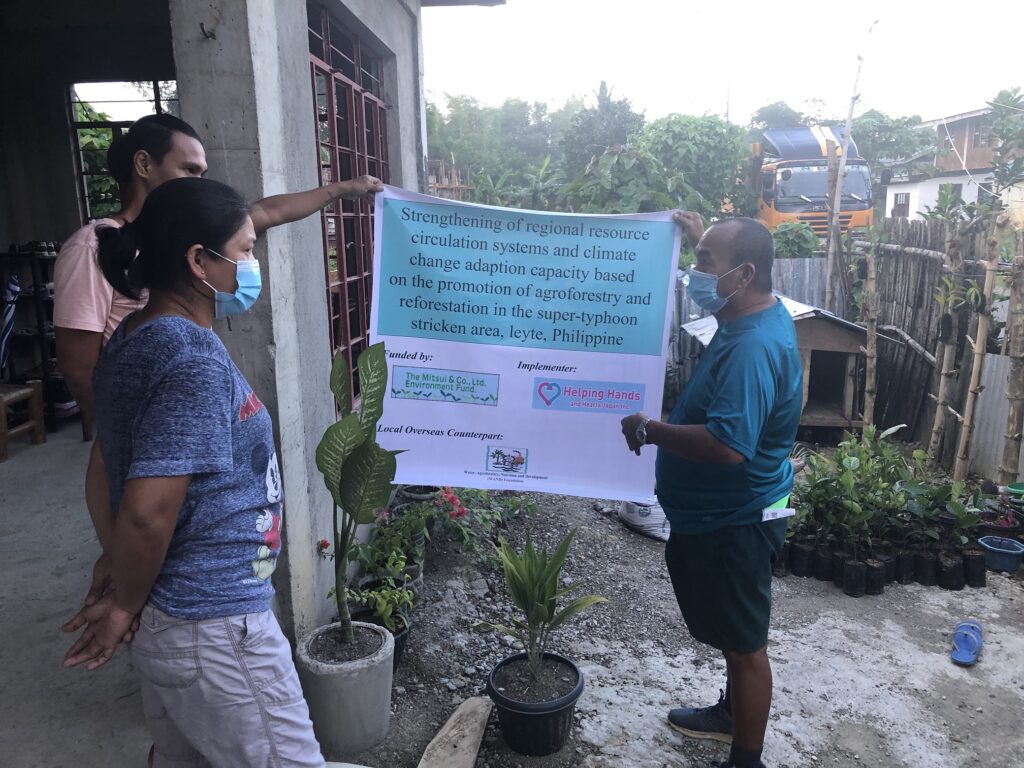
Farmer Surveys
The project assessed typhoon damage, livelihood conditions, field situations, and farmers’ needs in and around Palo.

Mitsui Environment Fund Project
HHHJapan implemented an agroforestry and climate change adaptation project in Palo, Leyte, Philippines, with support from the Mitsui Environment Fund.
The project promoted tree planting, vegetable cultivation, poultry support, farmer training, demonstration farms, farmer-to-farmer learning, and youth environmental education. It was designed to strengthen local resource circulation and climate change adaptation capacity in rural communities affected by severe typhoon damage.
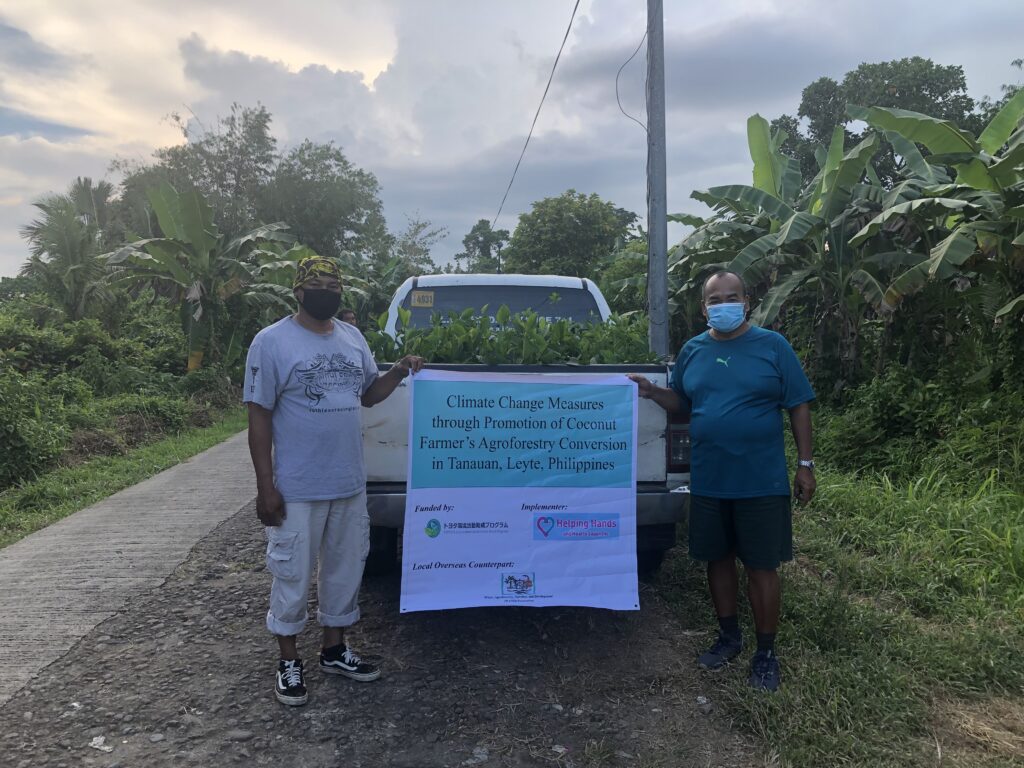
The official project title was “Strengthening local resource circulation systems and climate change adaptation capacity based on agroforestry and tree planting in areas affected by a major typhoon.” The project was carried out in and around Palo, Leyte, a rural area affected by severe typhoon damage.
The project combined farmer surveys, seedling and seed distribution, demonstration farms, vegetable cultivation, poultry support, farmer training, farmer-to-farmer learning, and youth environmental education in Japan. Its goal was to help farmers rebuild livelihoods while restoring damaged land and strengthening resilience to future disasters and climate change.
In Leyte, severe typhoon damage affected farmland, trees, local livelihoods, and rural communities. Many farmers depended on coconut farming, and the loss of trees meant long-term income loss because coconut trees take many years to recover.
In such areas, simply replanting one crop is not enough. Farmers need more resilient systems that combine trees, vegetables, livestock, organic fertilizer, community organization, and local learning. Agroforestry offered a practical approach to rebuild both the environment and livelihoods.
The Mitsui Environment Fund project aimed to support farmers by promoting diversified farming systems and local resource circulation through tree planting, vegetable production, and community-based learning.
The project aimed to help farmers and rural communities prepare for future disasters and climate change by combining agriculture, tree planting, livestock, community organization, and environmental education.
The project assessed typhoon damage, livelihood conditions, field situations, and farmers’ needs in and around Palo.
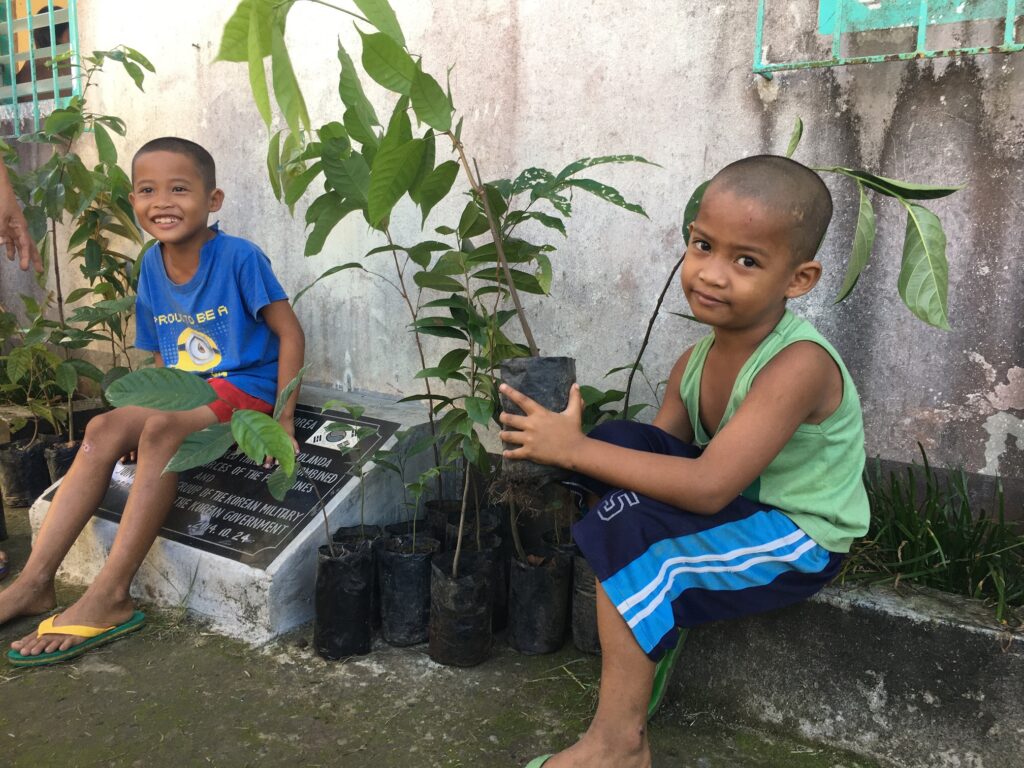
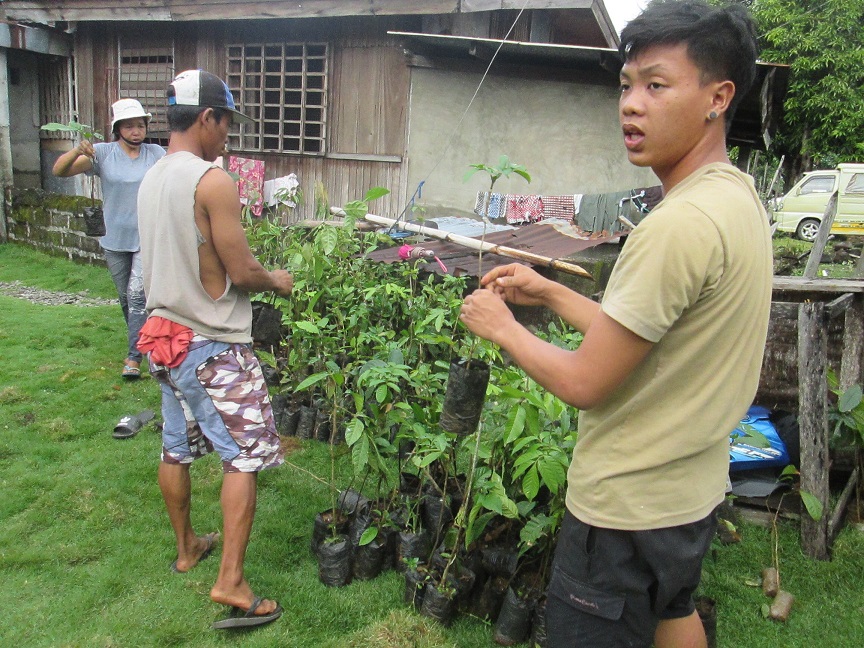
Farmers were supported through valuable hardwoods, fruit trees, bamboo, vegetables, and root crops.
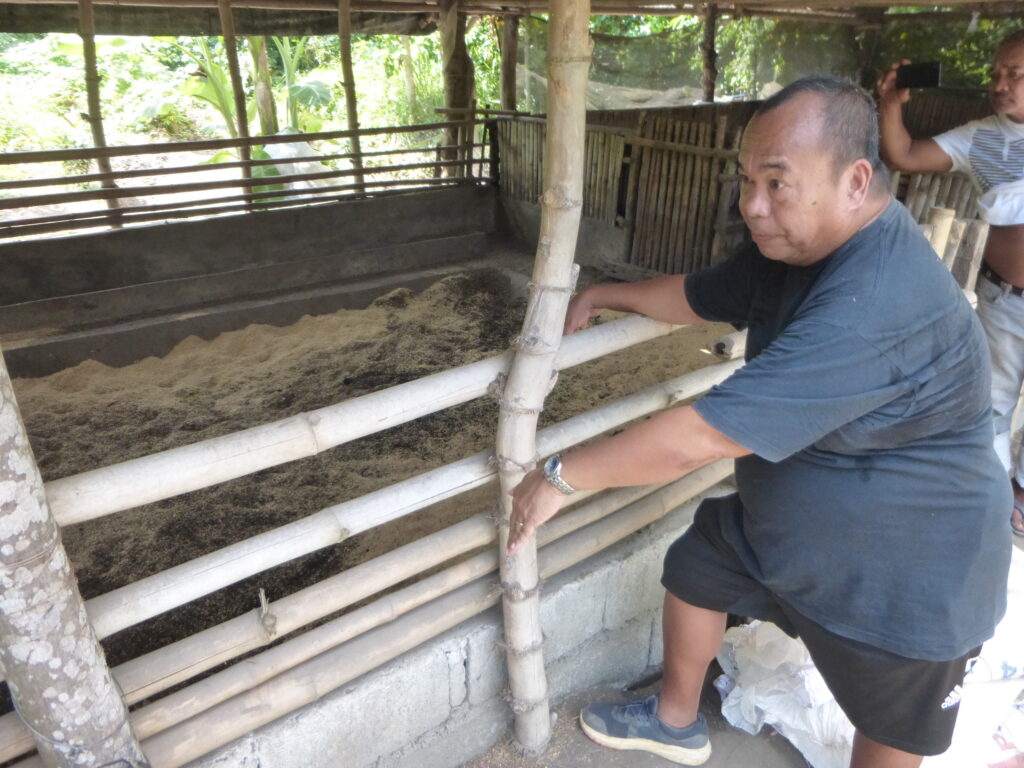
Poultry support helped diversify farmer livelihoods and connect livestock with organic fertilizer use in farming systems.
Although the field study tour was cancelled, youth activities continued through online workshops and internship activities in Japan.
The project was implemented from April 2020 to March 2022. It began under the difficult conditions of COVID-19 and continued by adjusting methods such as printed learning materials, phone and text-based follow-up, online youth workshops, and small-group training.
The project began in the Palo area with farmer surveys, demonstration farm selection, seedling and vegetable seed distribution, and preparation for agroforestry conversion.
Activities continued under COVID-19 restrictions through printed learning materials, seedling distribution, phone and text-based follow-up, and online environmental workshops for youth in Japan.
The project shifted from Zoom training to small-group face-to-face training, distributed vegetable seeds and organic fertilizer, and continued youth environmental activities in Japan.
The final stage summarized tree planting, vegetable cultivation, poultry support, vegetable sales, demonstration farms, youth activities, COVID-19 adaptations, and final outcomes.
The Mitsui Environment Fund project combined practical livelihood support with long-term environmental recovery. Activities were adjusted to the realities of COVID-19 while keeping farmers connected to agroforestry practices.
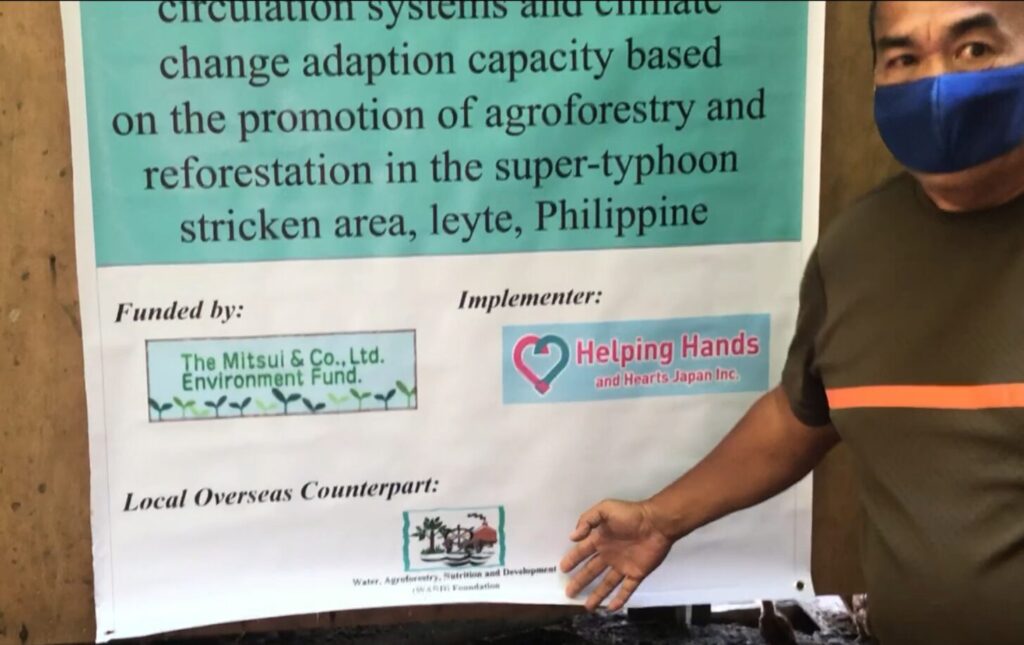
After Zoom training proved difficult for many farmers, the project shifted to small-group face-to-face training.
Valuable hardwoods, fruit trees, bamboo, vegetables, and root crop seeds were distributed to farmers.
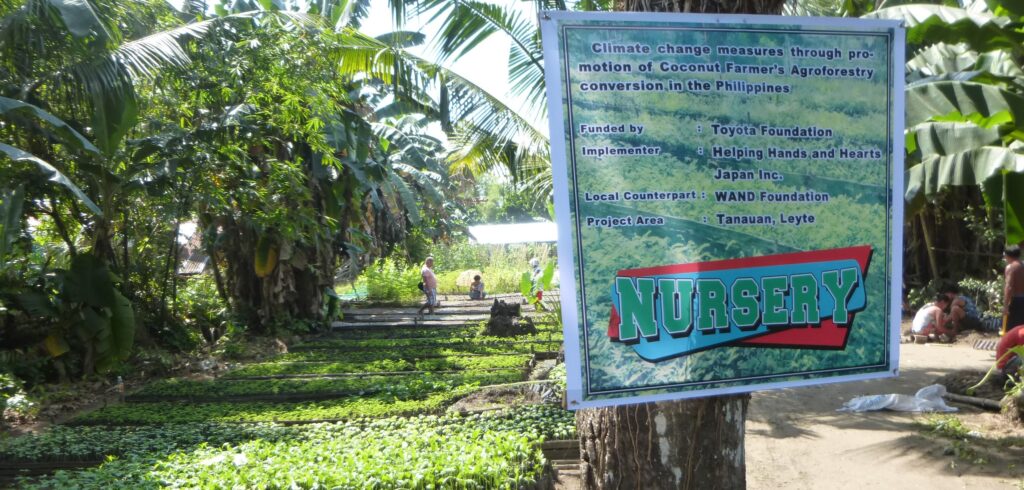
Vegetable cultivation supported food security and created opportunities for local sales and household income.
Due to African swine fever concerns, piglet distribution was changed to poultry support for farmers.
Despite COVID-19 restrictions and changes to the original plan, the project achieved important results in farmer participation, seedling distribution, vegetable seed distribution, demonstration farms, poultry support, vegetable sales, and youth environmental activities.
COVID-19 was one of the largest challenges for this project. The original plan included field study tours, face-to-face training, rainwater harvesting systems, self-help group development, and microcredit-related activities. Some of these had to be cancelled or changed.
Instead of stopping activities completely, the project adapted by using printed learning materials, phone and text communication, Zoom training, small-group face-to-face training, online youth workshops, and internship activities in Japan.
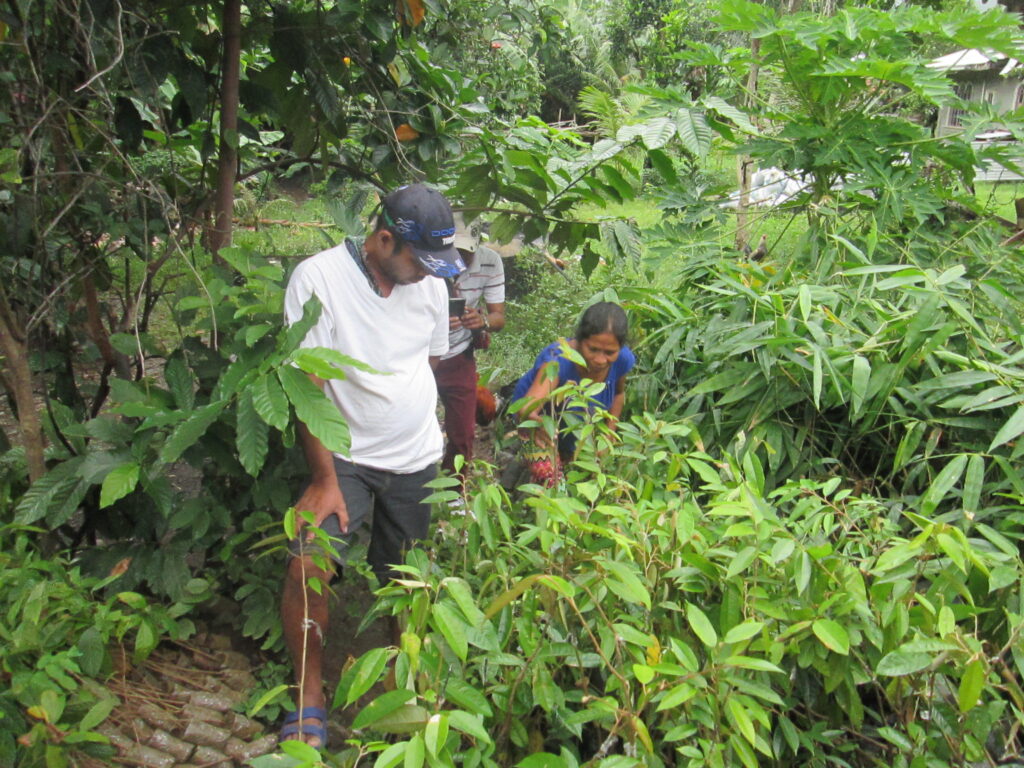
In the later stage of the project, participating farmers grew and sold vegetables such as Chinese cabbage, string beans, okra, eggplant, and bitter melon. Vegetables were displayed along roadsides or near sellers’ homes, and local residents placed orders.
Vegetable demand was high, and a regular flow of local buyers developed. This showed that agroforestry could support not only long-term environmental recovery but also farmers’ daily livelihoods and food security.
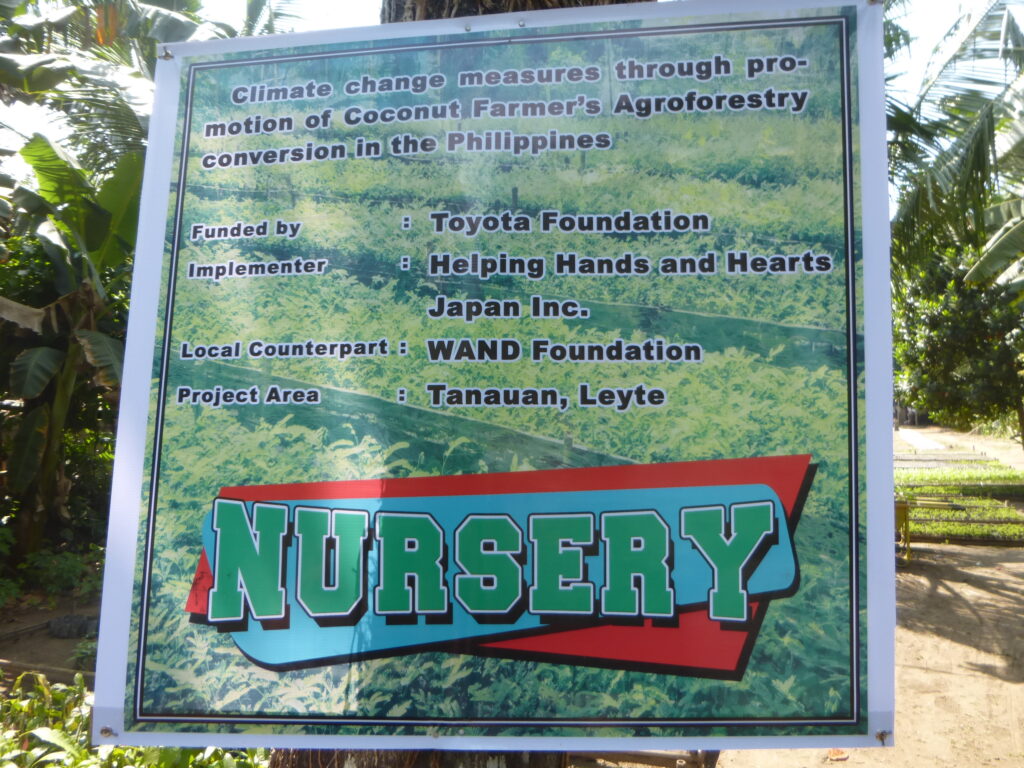
These photos show farmer orientation, seedling distribution, vegetable cultivation, poultry support, field activities, and youth environmental education connected to the Mitsui Environment Fund project.
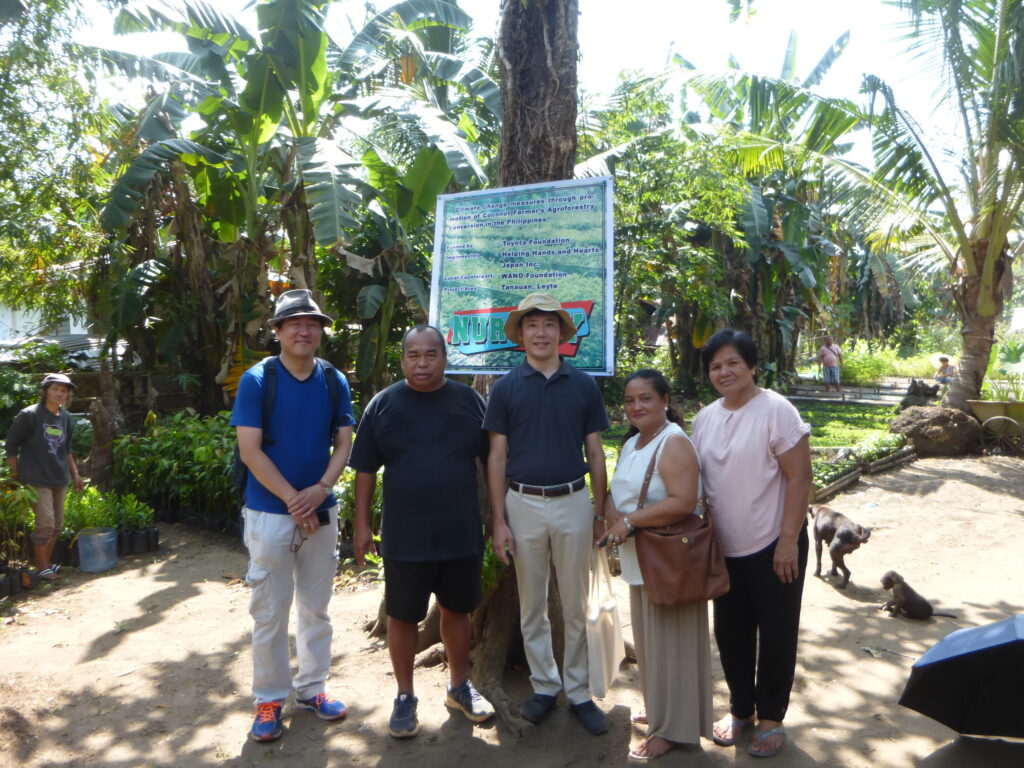
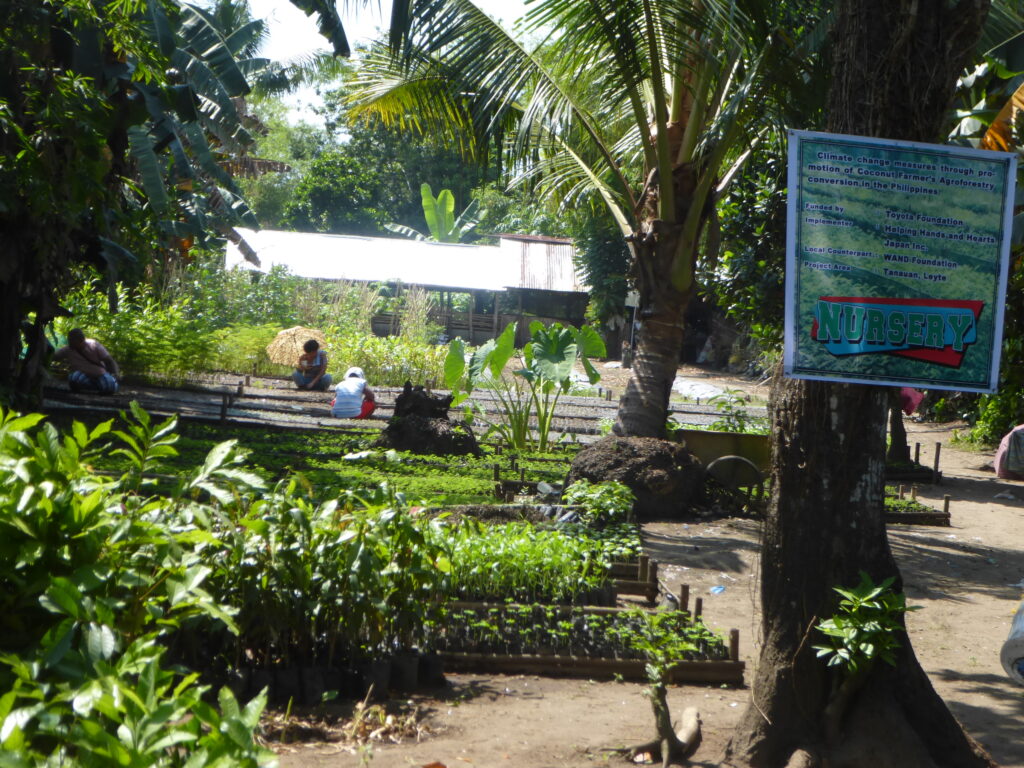
Detailed reports are organized by period. You can follow the project from launch and farmer surveys to COVID-19 adaptation, small-group training, vegetable cultivation, poultry support, vegetable sales, and final results.
Farmer surveys, demonstration farm selection, seedling and vegetable seed distribution, and preparation for agroforestry conversion.
Printed learning materials, seedling distribution, phone and text-based follow-up, and online youth workshops in Japan.
Small-group face-to-face training, vegetable seeds, organic fertilizer distribution, and youth environmental activities.
Final outcomes including tree planting, vegetable cultivation, poultry support, vegetable sales, COVID-19 adaptations, and youth activities.
The Mitsui Environment Fund project connected environmental restoration, disaster recovery, farmer livelihood support, climate change adaptation, local resource circulation, and youth environmental education.
For HHHJapan, this project was an important experience in supporting rural communities affected by natural disasters while also creating learning opportunities for young people in Japan. It strengthened HHHJapan’s commitment to agroforestry, climate change adaptation, and community-based international cooperation.
You can also visit the overall agroforestry page and other grant project pages to learn more about HHHJapan’s environmental activities.