
Final Report
Tree Planting, Poultry Support, Vegetable Sales, and Project Results
The final stage of the Mitsui Environment Fund project summarized the project’s main outcomes, including tree planting, vegetable cultivation, poultry support, vegetable sales, demonstration farms, youth environmental activities, and COVID-19 adaptations.
Although the project faced many restrictions during the COVID-19 period, it continued to support farmers in Palo, Leyte through practical activities that connected environmental restoration with livelihood improvement and climate change adaptation.
Role of the Final Report
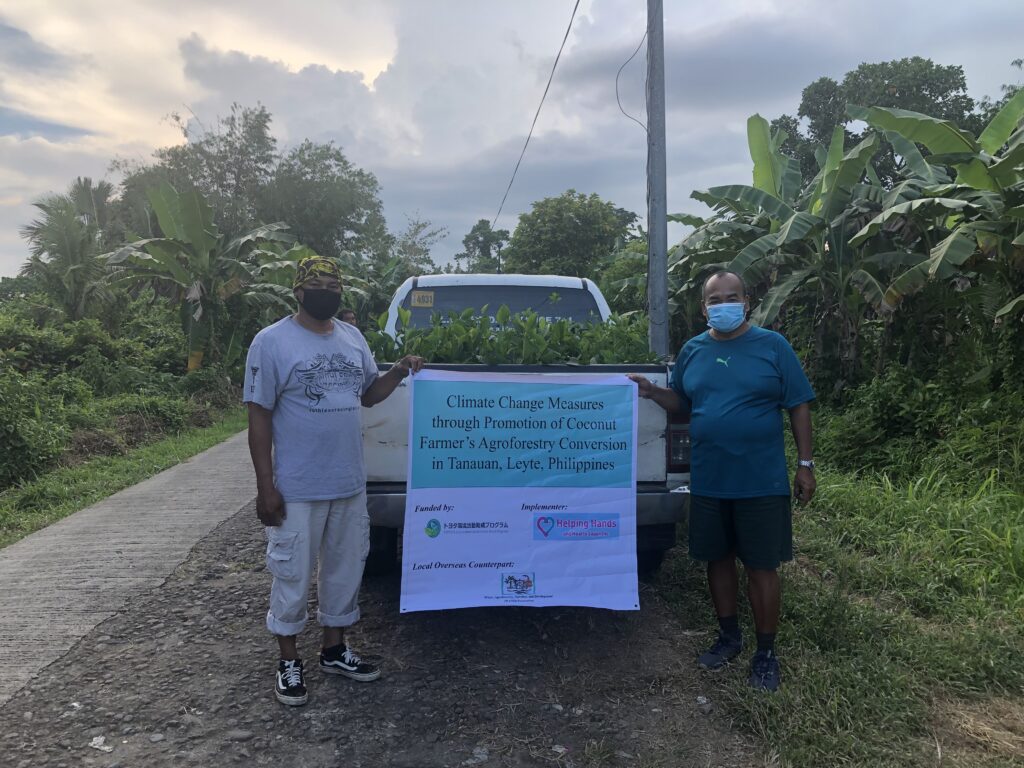
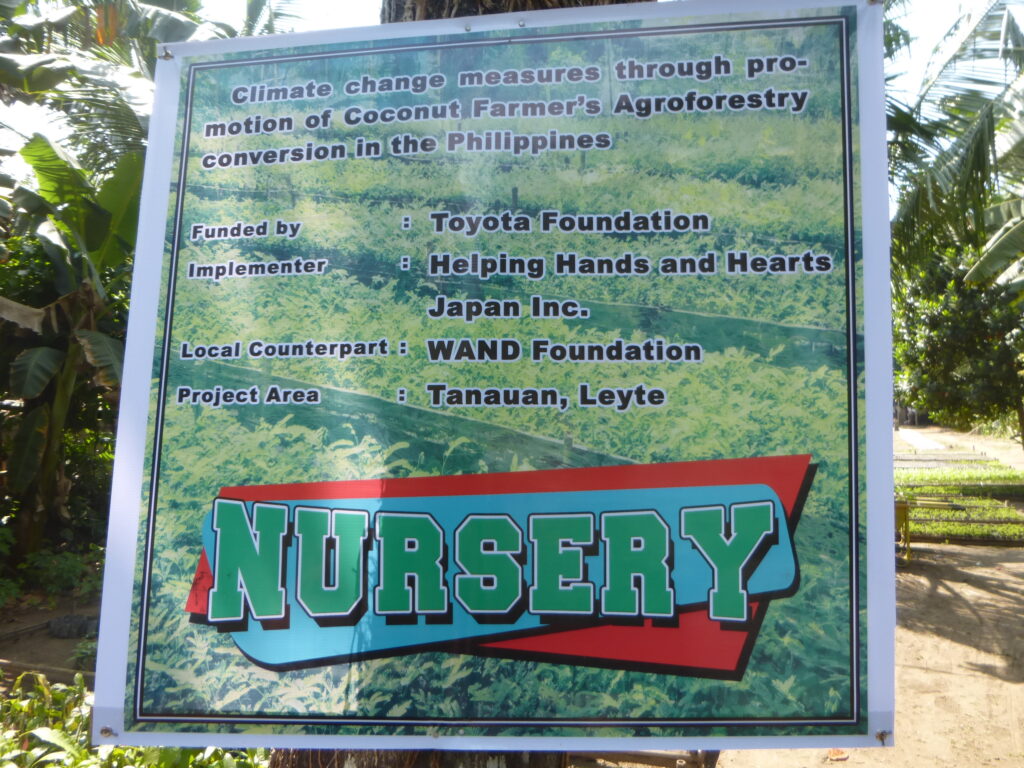
The Mitsui Environment Fund project was implemented from April 2020 to March 2022 in and around Palo, Leyte. Its official project title was “Strengthening local resource circulation systems and climate change adaptation capacity based on agroforestry and tree planting in areas affected by a major typhoon.”
This final report summarizes the project’s achievements and challenges after two years of farmer surveys, seedling distribution, vegetable cultivation, small-group training, poultry support, demonstration farm development, youth environmental education, and COVID-19-related adjustments.
Overall Project Results
Across the project period, many farmers participated in agroforestry conversion, tree planting, vegetable cultivation, training, demonstration farms, and livelihood diversification activities. The project also created youth learning opportunities in Japan.
Final Outcomes of Tree Planting and Seedling Distribution
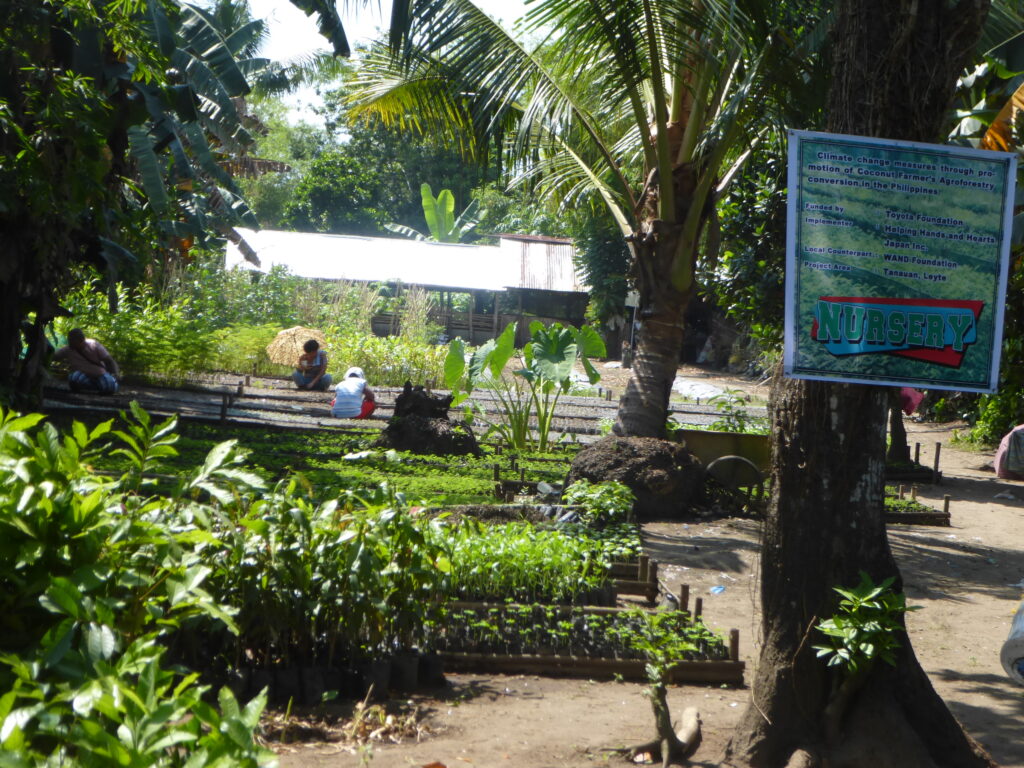
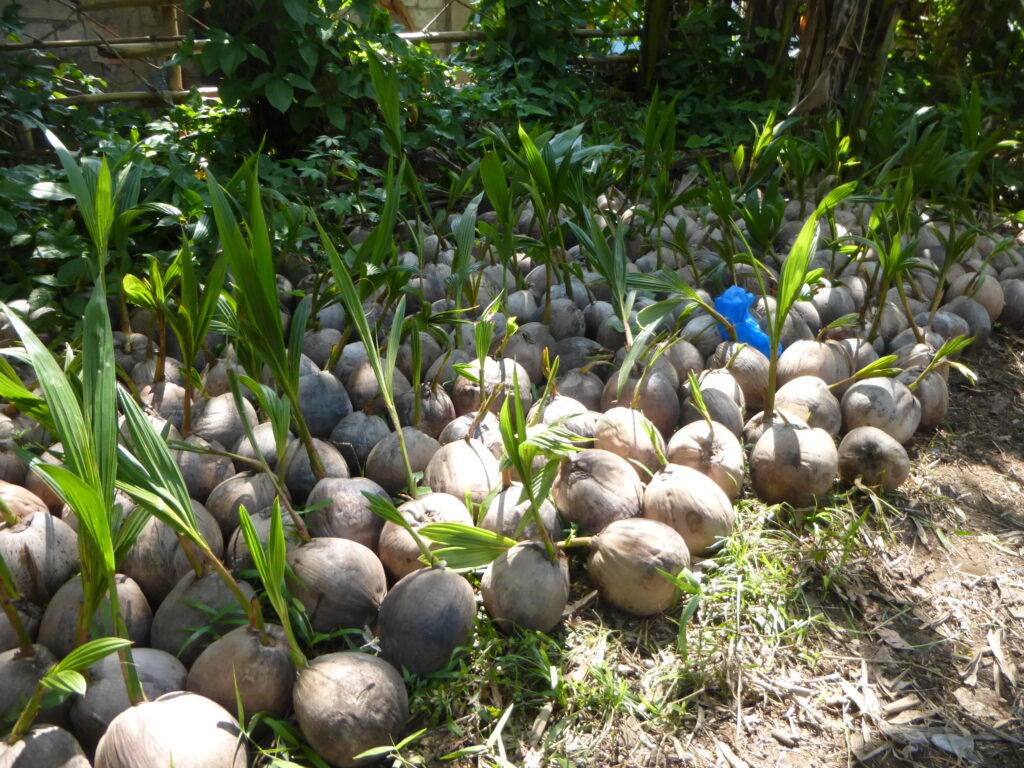
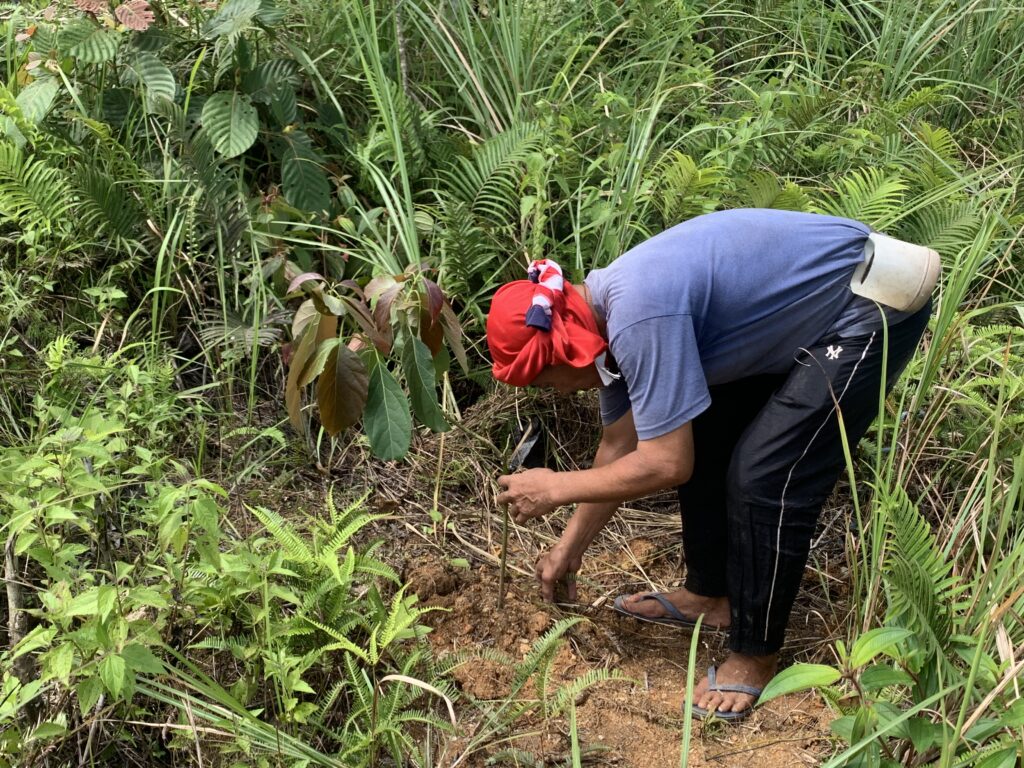
Throughout the project, a total of 32,500 seedlings were distributed, including valuable hardwoods, fruit trees, bamboo, and other planting materials. These seedlings were intended to support environmental recovery, future income opportunities, soil protection, and climate resilience.
Tree planting is a long-term activity. The full impact cannot be measured only at the end of the project period. Seedlings need continued care, and their value will grow over many years as they mature and support both the environment and farmer livelihoods.
Vegetable Cultivation and Local Sales
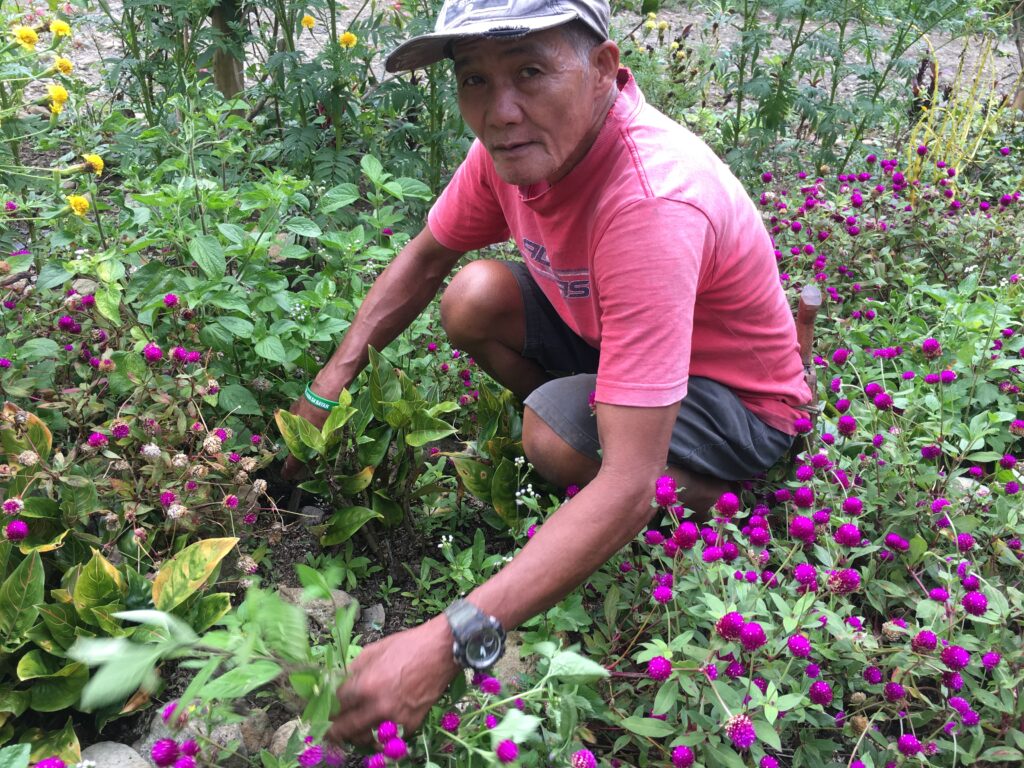
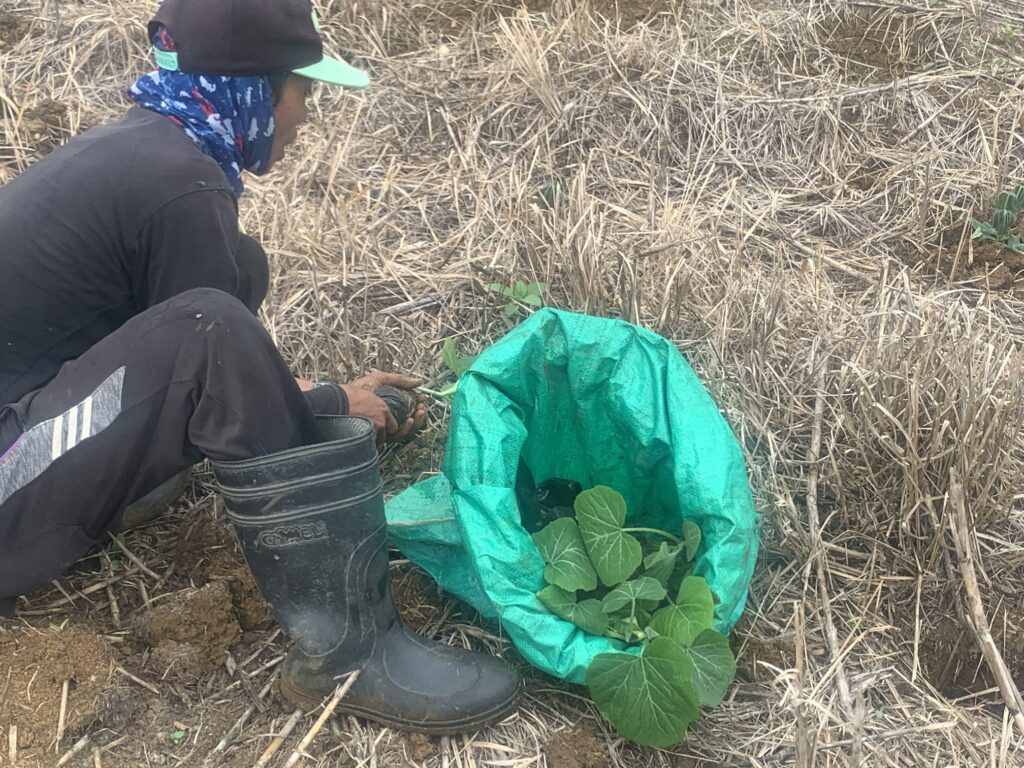
In the final stage, vegetable cultivation became one of the visible livelihood-related outcomes of the project. Farmers grew vegetables such as Chinese cabbage, string beans, okra, eggplant, and bitter melon.
Vegetables were displayed along roadsides or near sellers’ homes, and local residents placed orders. Around 230 local residents per week purchased vegetables, showing that the project supported not only food security but also small-scale local income opportunities.
Poultry Support and Local Resource Circulation
The original plan included both chicken and pig raising. However, due to African swine fever concerns, piglet distribution was cancelled and the project shifted to poultry support instead.
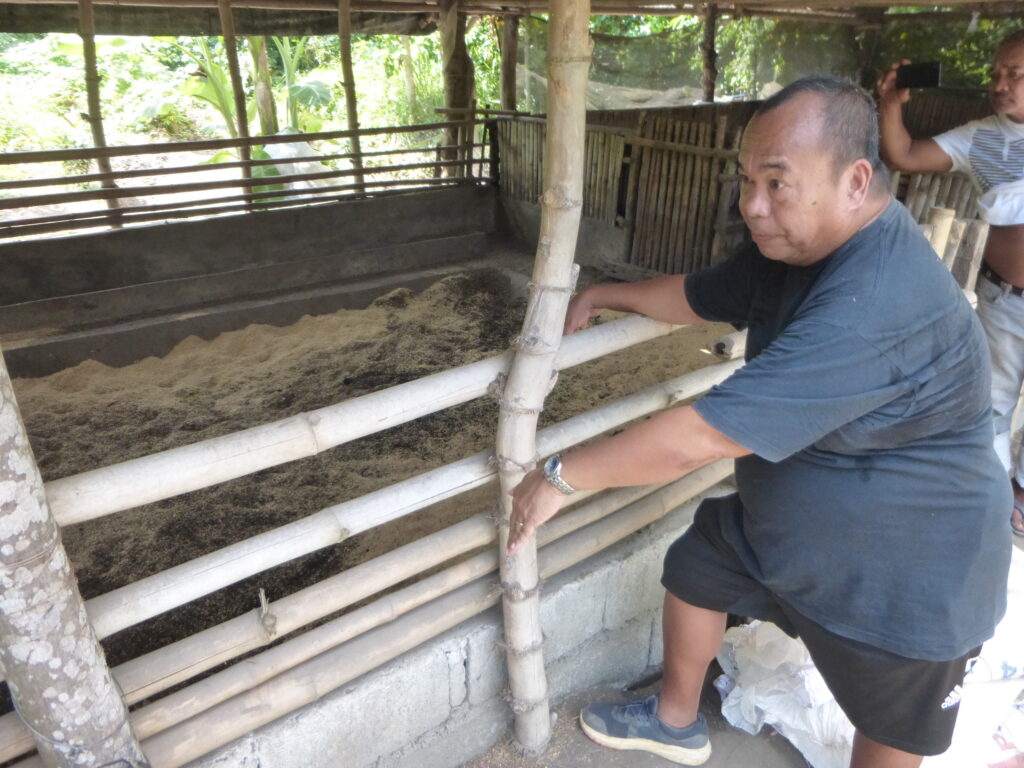
In the final stage, 400 chicks were distributed to 80 farmers. Poultry support helped diversify farmer livelihoods and also connected to local resource circulation, because animal waste can be used as organic fertilizer for farming activities.
Demonstration Farms and Farmer-to-Farmer Learning
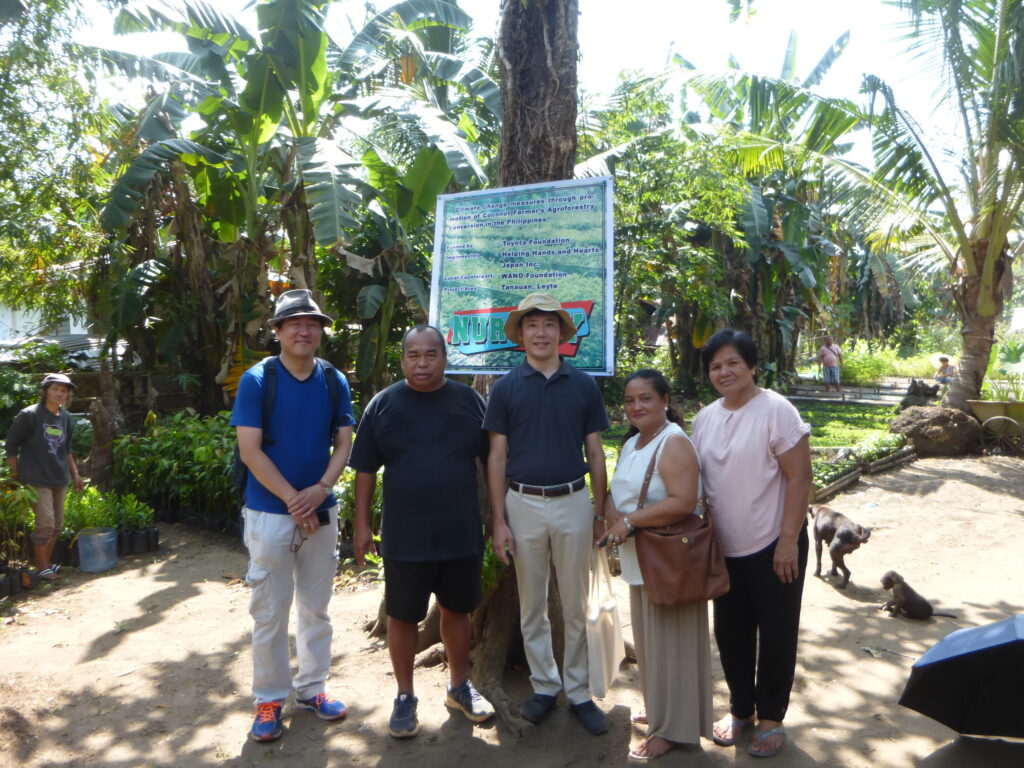
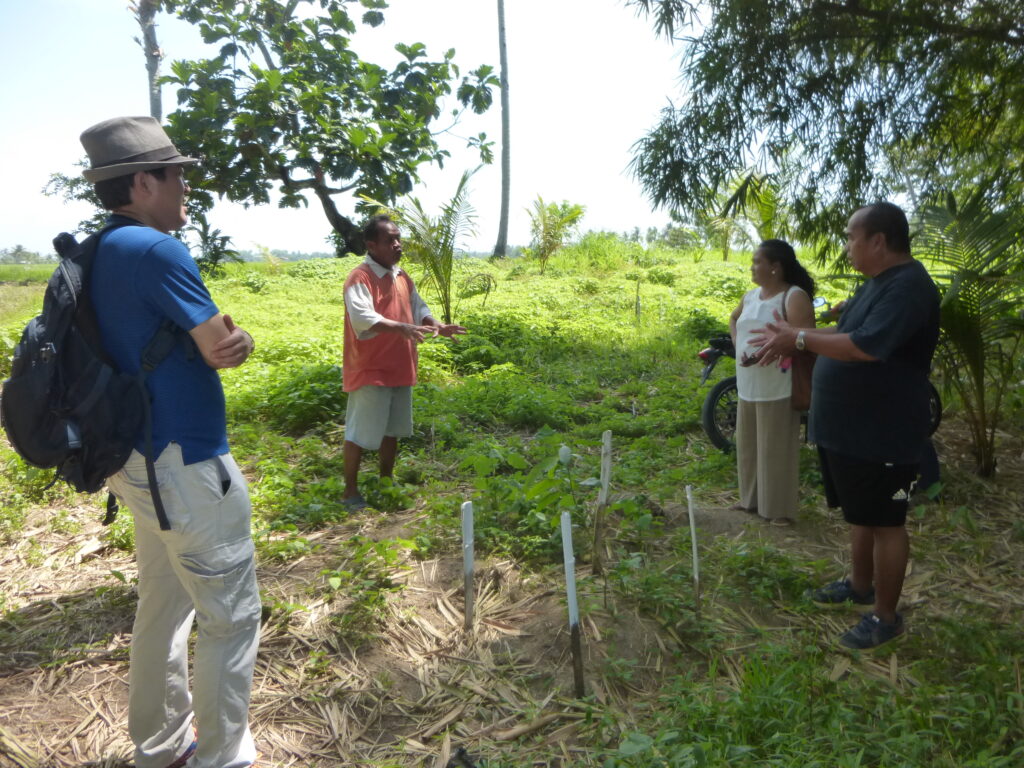
The project identified 33 farmers as demonstration farms. These farms were intended to serve as practical learning sites where nearby farmers could observe agroforestry, vegetable cultivation, and diversified farming in real conditions.
Farmer-to-farmer learning was important because local farmers often learn most effectively from other farmers’ actual experiences. Demonstration farms helped create a local foundation for sharing practical knowledge beyond the project period.
Youth Environmental Education in Japan
Because of COVID-19, the originally planned field study tour could not be carried out. Instead, the project organized online workshops, internship activities, and environmental learning opportunities for youth in Japan.
Young participants learned about typhoon damage in the Philippines, climate change, agroforestry, SDGs, and international cooperation. These activities helped connect local environmental restoration in Leyte with global environmental awareness among young people in Japan.
Activities Changed by COVID-19
The project period overlapped with the COVID-19 pandemic, and several activities had to be cancelled or changed. The field study tour, rainwater harvesting systems, self-help group development, microcredit activities, and some face-to-face training plans could not be implemented as originally planned.
However, the project adapted instead of stopping. Printed learning materials, phone and text-based follow-up, Zoom training, small-group face-to-face training, and online youth workshops helped maintain project continuity.
Cancelled or Changed Activities
Field study tours, rainwater harvesting systems, self-help group development, and some training plans were affected by COVID-19.
Alternative Methods
The project used printed materials, remote communication, small-group training, and online youth workshops.
Activities Continued
Seedling distribution, vegetable cultivation, poultry support, youth education, and final evaluation continued in adjusted forms.
Final Stage Photos
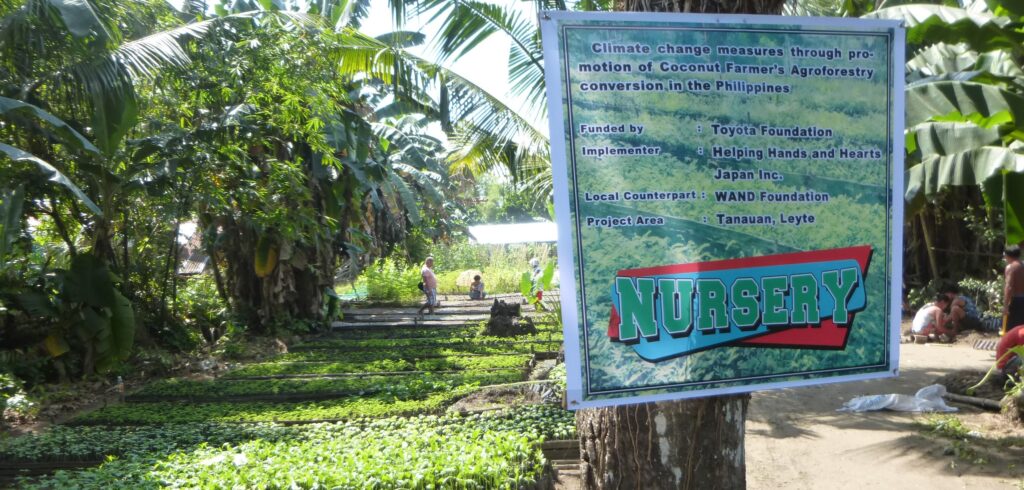
These photos show vegetable cultivation, poultry support, field activities, local resource circulation, and youth environmental activities connected to the final stage of the project.
Overall Significance of the Project
The Mitsui Environment Fund project combined agroforestry, tree planting, vegetable cultivation, poultry support, farmer training, demonstration farms, youth environmental education, and COVID-19 adaptation.
It helped farmers affected by severe typhoon damage begin building more diversified and resilient farming systems. The project also showed that environmental restoration and livelihood support can be connected through practical, community-based activities.
Future Needs
Agroforestry does not end when a grant project finishes. Seedlings need continued care, vegetable production needs stable marketing, poultry support needs management, and demonstration farms need continued farmer participation.
Future work should focus on maintaining planted trees, strengthening farmer-to-farmer learning, supporting local sales, continuing youth environmental education, and helping communities build long-term climate resilience.
Report Pages by Period
The Mitsui Environment Fund project is organized into period-based report pages so readers can follow the project from launch and farmer surveys to COVID-19 adaptation, small-group training, vegetable cultivation, poultry support, vegetable sales, and final results.
Project Launch, Farmer Survey, and Seedling Distribution
Farmer surveys, demonstration farm selection, seedling and vegetable seed distribution, and preparation for agroforestry conversion.
Seedling Distribution and Youth Workshops During COVID-19
Printed learning materials, seedling distribution, phone and text-based follow-up, and online youth workshops in Japan.
Small-Group Training and Vegetable Seeds
Small-group face-to-face training, vegetable seeds, organic fertilizer distribution, and youth environmental activities.
Mitsui Project Top
The parent page summarizes the full background, activities, results, and significance of the project.
Back to Mitsui Project Top
You can return to the parent page to view the full overview of the Mitsui Environment Fund agroforestry project.