
2021 Apr-Sep Report
Small-Group Training, Vegetable Seeds, and Youth Activities
From April to September 2021, the Mitsui Environment Fund project reviewed its training method and shifted from Zoom training to small-group face-to-face training. The project also distributed vegetable seeds and organic fertilizer to farmers and continued youth environmental activities in Japan.
This period was an important turning point. After printed materials and remote follow-up during the earlier COVID-19 stage, the project searched for a more practical training method that matched farmers’ real conditions, communication access, and learning needs.
Role of the April–September 2021 Stage
Before this period, the project had continued under COVID-19 restrictions through printed learning materials, phone and text-based follow-up, and online youth workshops. From April to September 2021, the project tried to improve farmer training so that participants could learn more effectively and apply the methods in their own fields.
At first, Zoom training was attempted. However, many farmers had limited internet access, limited experience with video calls, and difficulty joining online sessions. As a result, the project changed to small-group face-to-face training with infection prevention measures.
Main Results
During this stage, the project adjusted its training method and helped farmers move from learning to practice. Vegetable seeds and organic fertilizer supported household food security and practical cultivation activities.
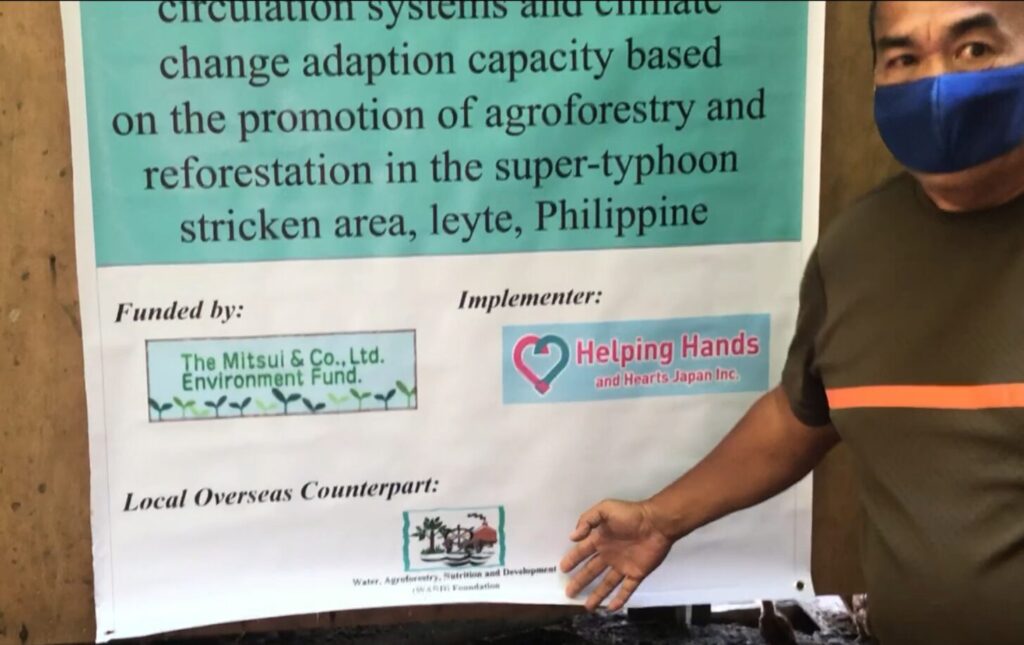
Reintroducing the Project Strategy
During this period, it was important to explain the revised project strategy to farmers in a clear and practical way. Farmers needed to understand how the activities would continue after the changes caused by COVID-19.
The project reviewed previous seedling distribution and printed material activities and explained how vegetable cultivation, demonstration farms, and farmer learning would continue in the next stage.
Challenges of Zoom Training
Because of COVID-19, the project first tried using Zoom for farmer training. However, many farmers were not familiar with video calls, and internet access was not always stable.
Online training can be useful in some situations, but it does not work well when participants do not have the right devices, internet access, or experience. This showed that training methods must match the real conditions of the farmers.
Shift to Small-Group Face-to-Face Training
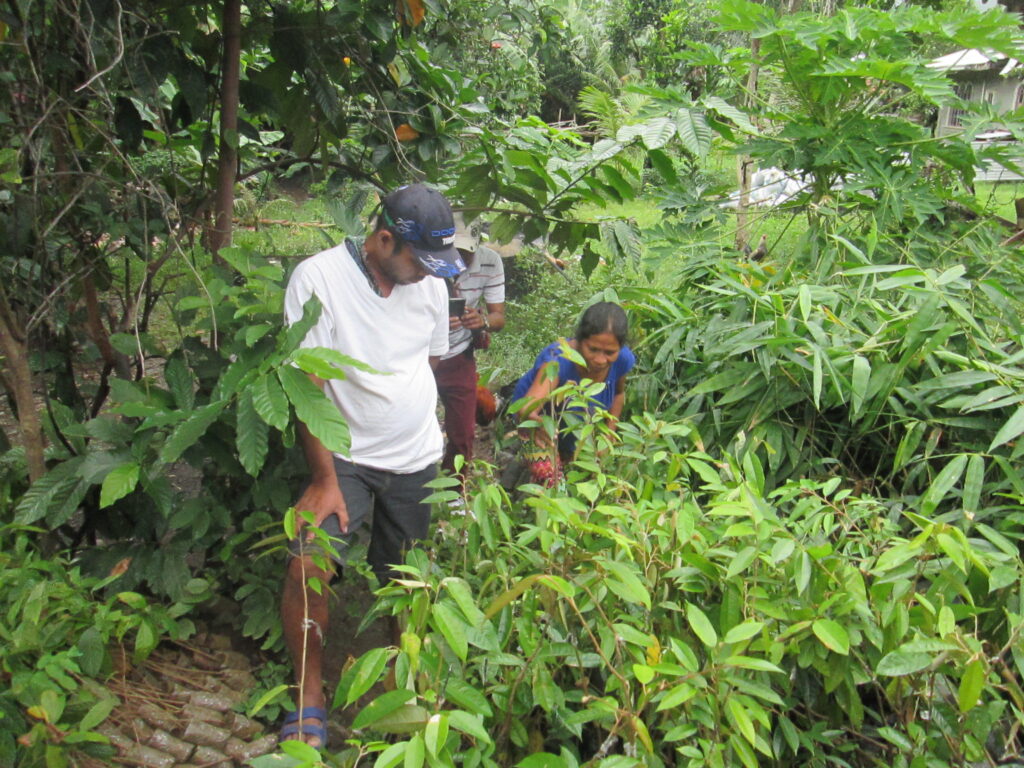
After the challenges with Zoom training, the project shifted to small-group face-to-face training. Each session was kept small, with around five participants, so that farmers could listen, ask questions, and understand the content more directly.
This approach made the training more realistic and accessible. By the end of September 2021, 21 training sessions had been conducted, and 102 people had participated.
Vegetable Seeds and Organic Fertilizer Distribution
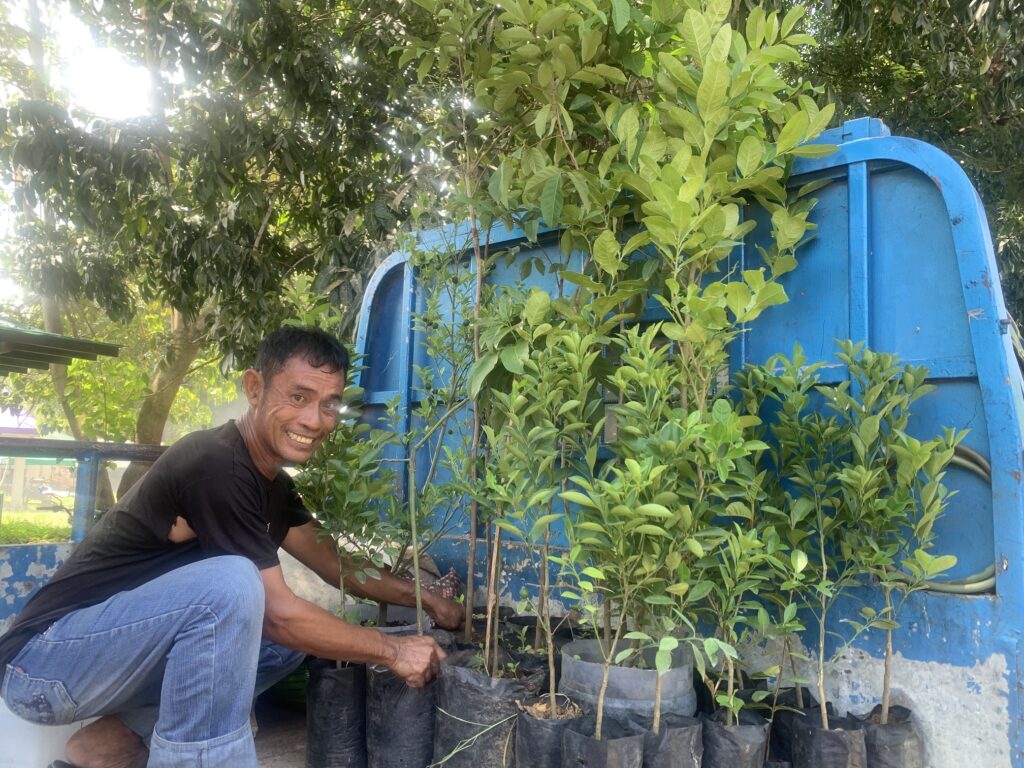
During this stage, 91 farmers received vegetable seeds and organic fertilizer. Vegetable cultivation was closely connected to household food security and daily livelihood support.
Trees and fruit crops take time to grow, but vegetables can be harvested more quickly. By combining long-term tree planting with short-term vegetable production, the project supported both future resilience and immediate household needs.
Training Connected to Farmer Practice
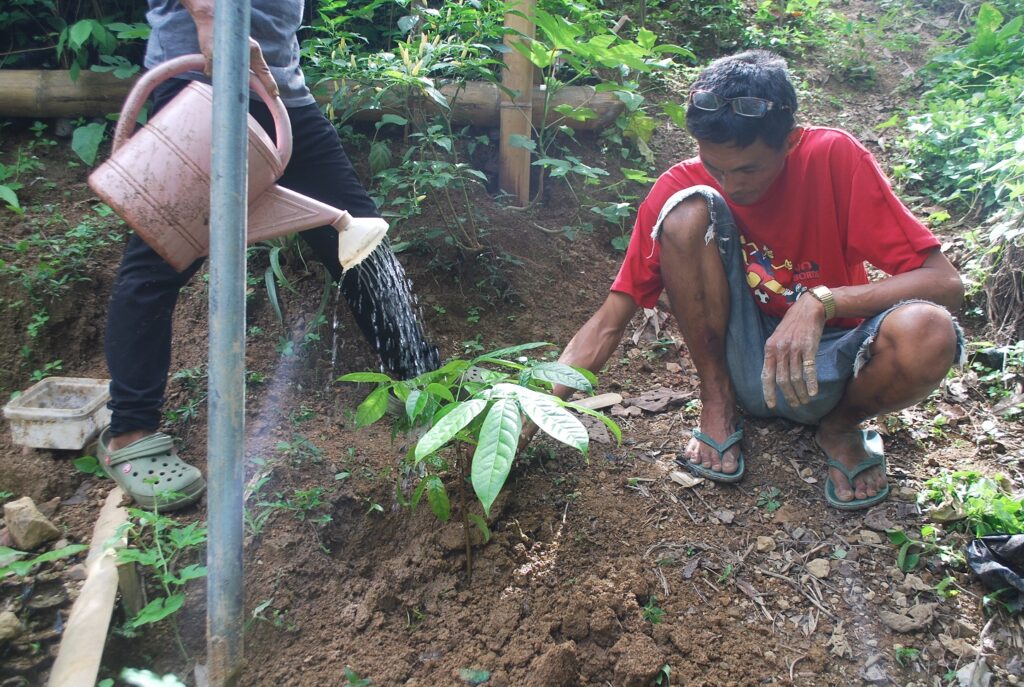
The small-group training was designed to help farmers apply what they learned in their own fields. The topics included seedling care, vegetable cultivation, organic fertilizer use, home gardens, and the combination of crops within agroforestry systems.
Because each farmer has different land conditions and household needs, small-group training was more flexible than large lectures. Farmers could ask practical questions and discuss how to adapt the methods to their own situation.
Youth Internship and Environmental Activities in Japan
In Japan, youth internship and environmental learning activities continued even though the field study tour could not be held. Young participants learned about typhoon damage in the Philippines, agroforestry, climate change, SDGs, and international cooperation.
These activities helped young people understand that environmental issues are connected across countries. Even without visiting the project site, they could learn, discuss, and communicate about climate change and community-based environmental restoration.
April–September 2021 Activity Flow
This stage focused on changing the training method to match farmers’ real conditions and supporting vegetable cultivation through seeds and organic fertilizer.
Review the Training Method
The project attempted Zoom training but found that online participation was difficult for many farmers.
Shift to Small-Group Training
Small face-to-face sessions were introduced so farmers could learn more directly and ask questions.
Distribute Seeds and Fertilizer
Vegetable seeds and organic fertilizer were distributed to 91 farmers to support home gardens and vegetable cultivation.
Continue Youth Activities
Youth environmental learning and communication activities continued in Japan through online and internship-based formats.
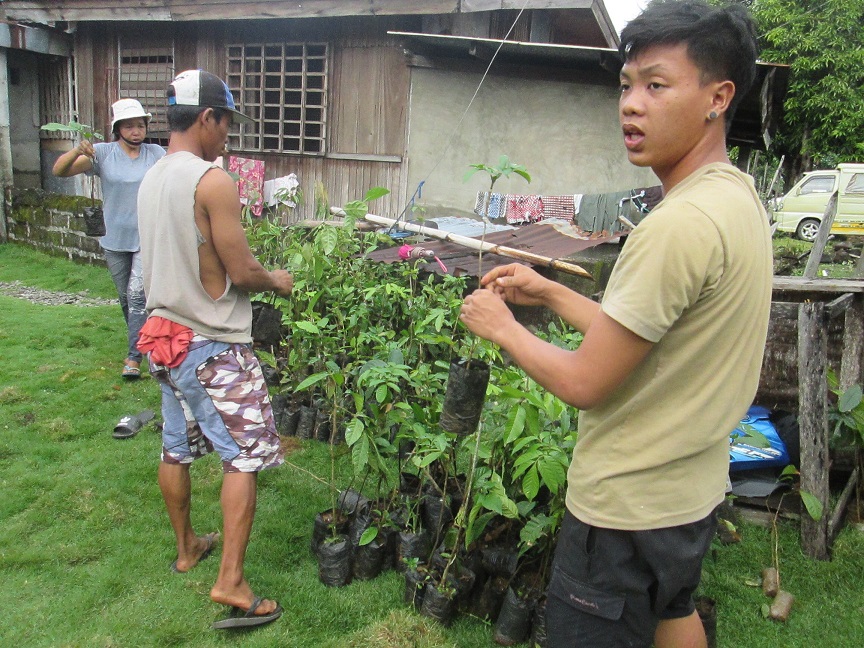
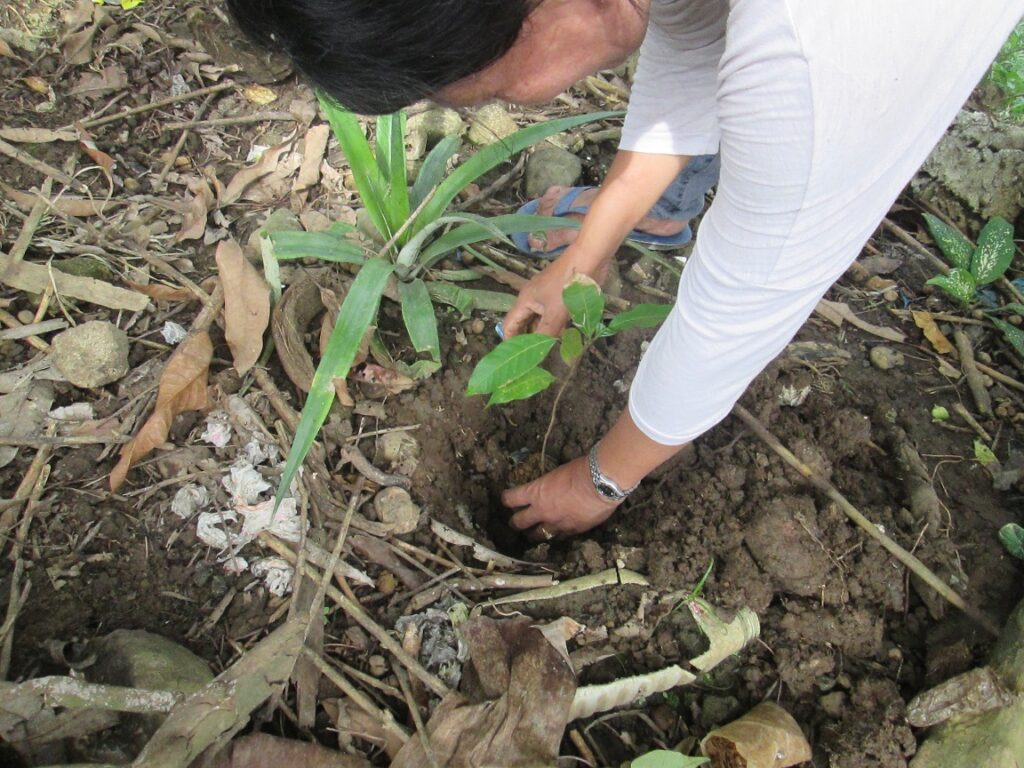
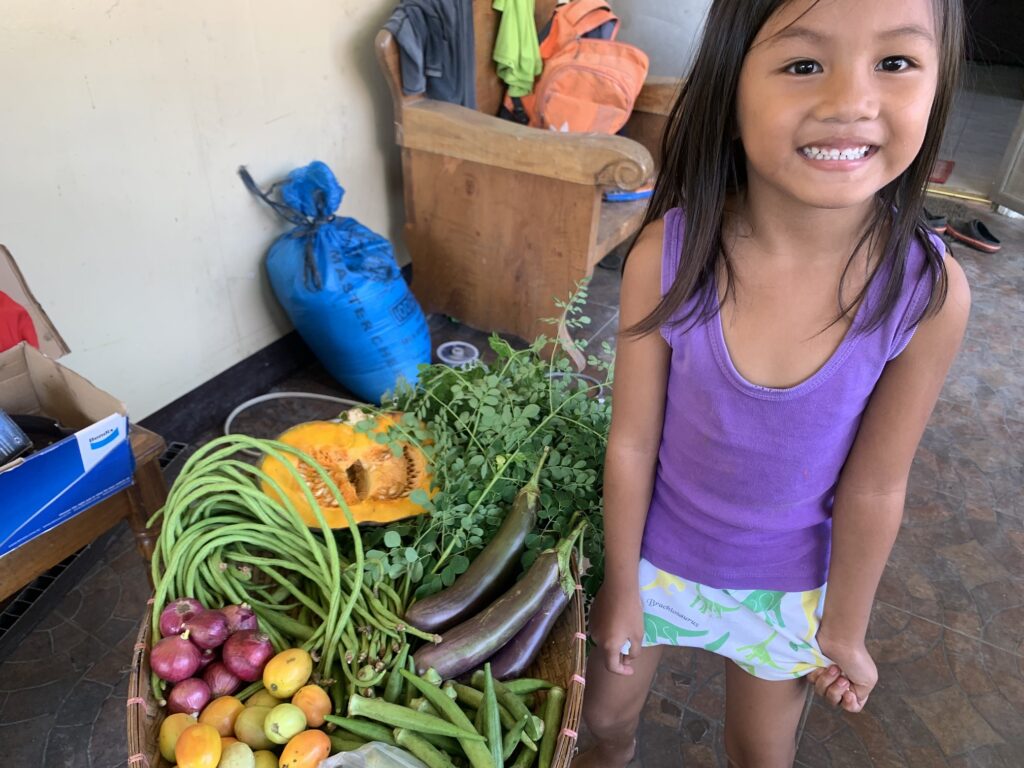
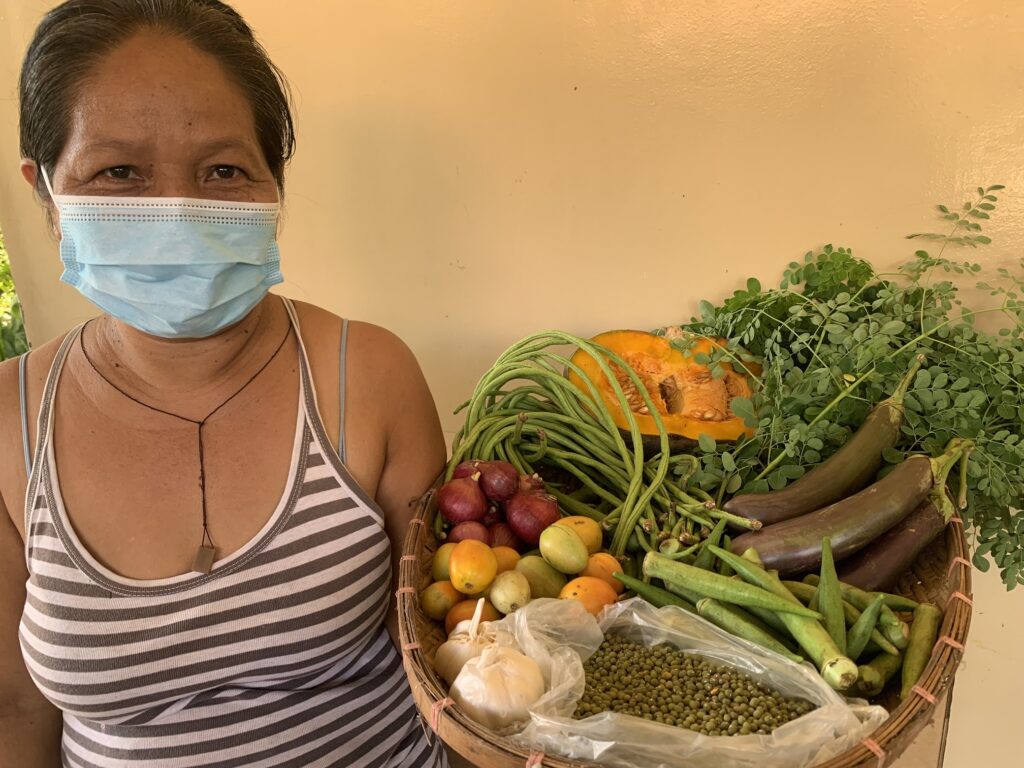
Activity Photos
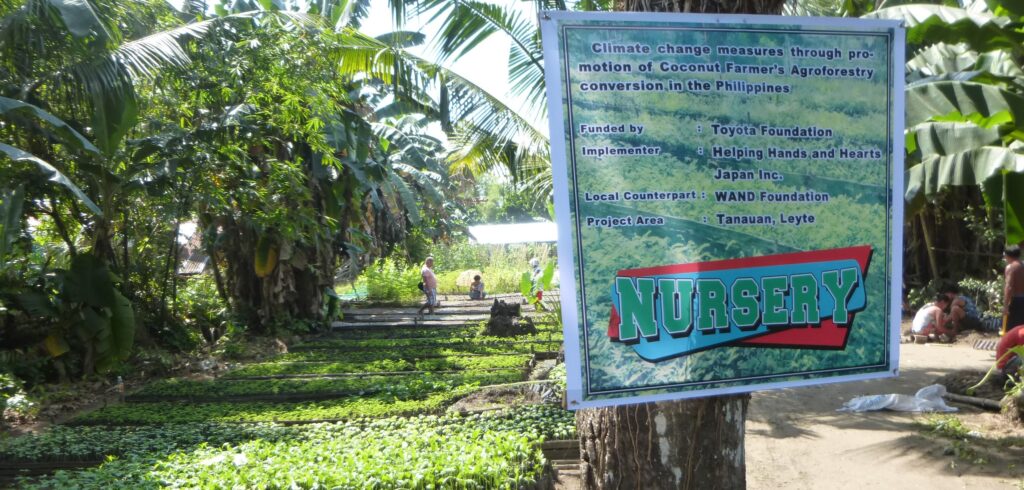
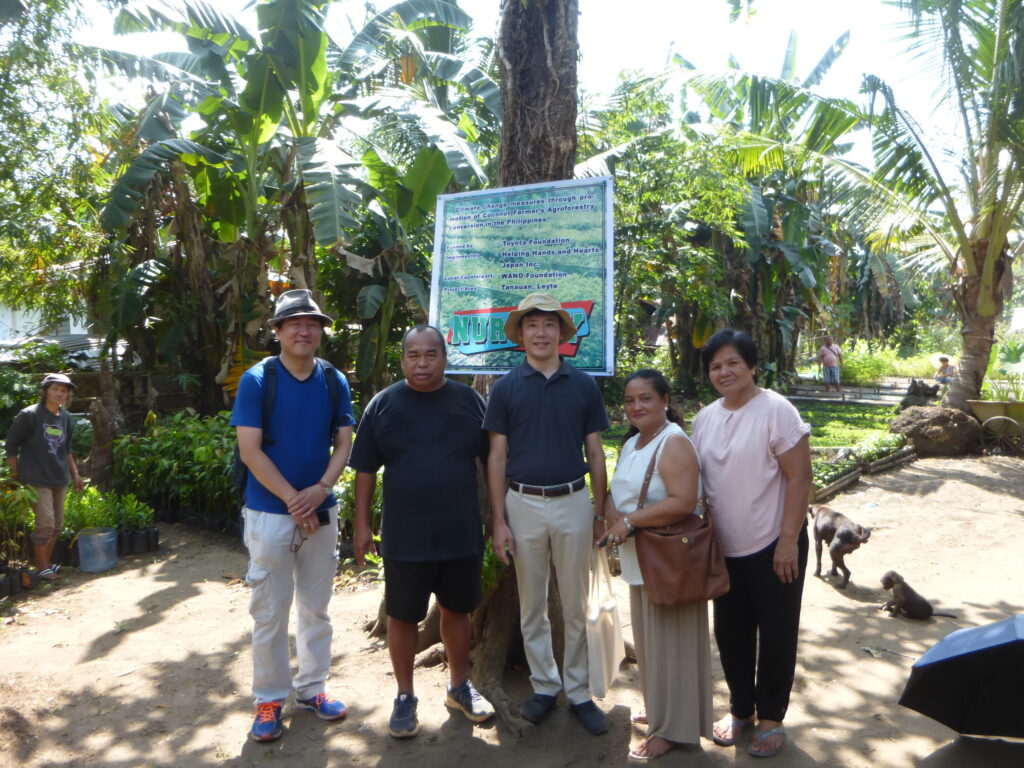
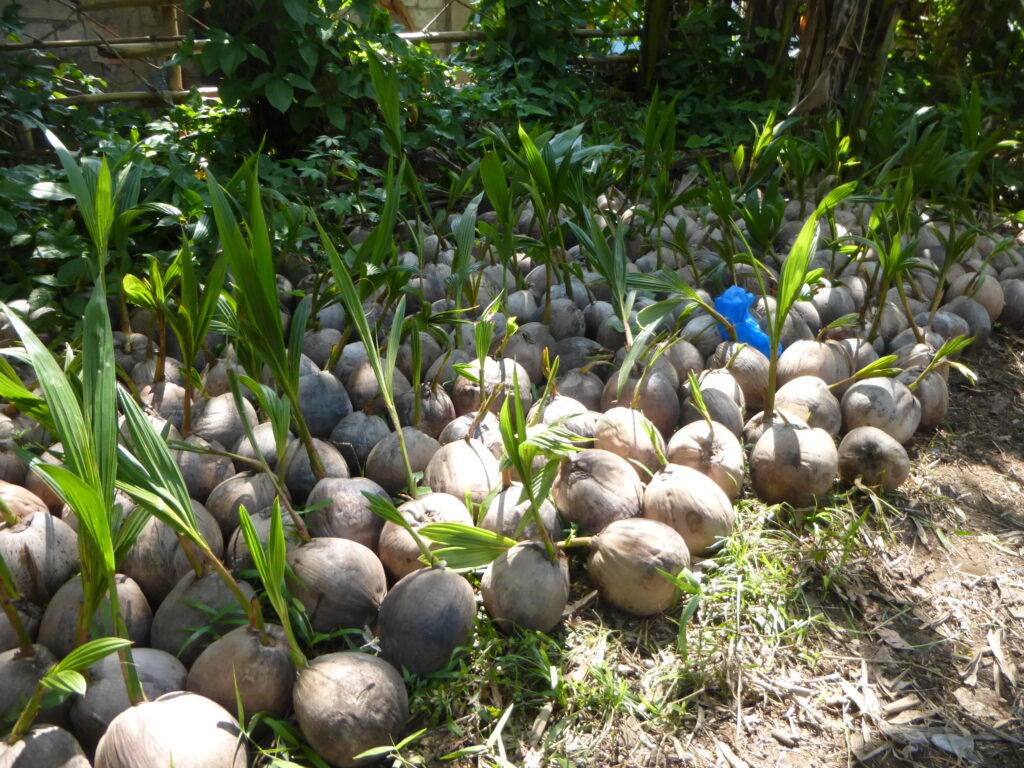
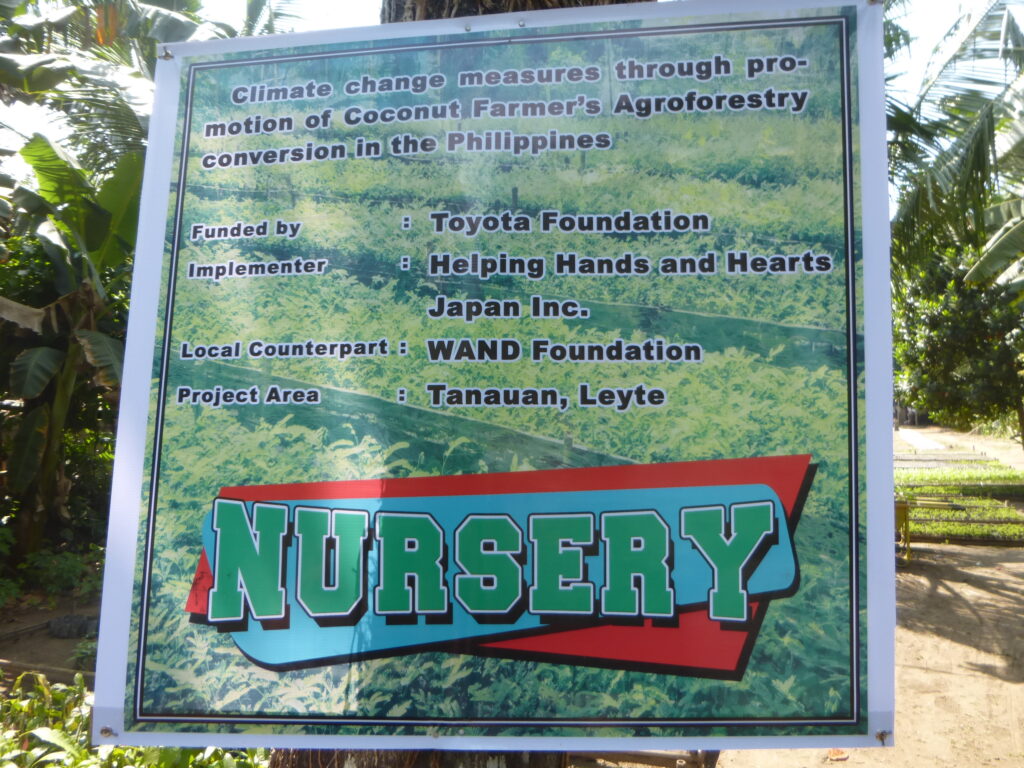
These photos show small-group training, vegetable cultivation, organic fertilizer use, and youth environmental activities during the April–September 2021 stage.
Transition to the Final Stage
The small-group training and distribution of vegetable seeds and organic fertilizer helped farmers continue practical activities despite the ongoing limitations of COVID-19. Farmers were better able to apply the project’s support in their own fields and households.
In the final stage, the project would move toward tree planting, poultry support, vegetable sales, final project outcomes, and a summary of achievements and remaining challenges.
Report Pages by Period
The Mitsui Environment Fund project is organized into period-based report pages so readers can follow the project from launch and farmer surveys to COVID-19 adaptation, small-group training, vegetable cultivation, poultry support, vegetable sales, and final results.
Project Launch, Farmer Survey, and Seedling Distribution
Farmer surveys, demonstration farm selection, seedling and vegetable seed distribution, and preparation for agroforestry conversion.
Seedling Distribution and Youth Workshops During COVID-19
Printed learning materials, seedling distribution, phone and text-based follow-up, and online youth workshops in Japan.
Mitsui Project Top
The parent page summarizes the full background, activities, results, and significance of the project.
Tree Planting, Poultry Support, Vegetable Sales, and Results
Final outcomes including tree planting, vegetable cultivation, poultry support, vegetable sales, COVID-19 adaptations, and youth activities.
Next Report
The next report introduces the final stage of the Mitsui Environment Fund project, including tree planting, poultry support, vegetable sales, demonstration farms, youth activities, COVID-19 adaptations, and final project outcomes.