
2019 Jul-Dec Report
Planting Expansion and Community Organization
From July to December 2019, the Toyota Environmental Activities Grant project expanded planting activities and strengthened community organization in Tanauan, Leyte.
Building on the first six months of farmer surveys and initial planting, this period focused on additional demonstration farms, larger-scale seedling and vegetable planting, organization management training, leadership development, and climate change seminars for farmers and community members.
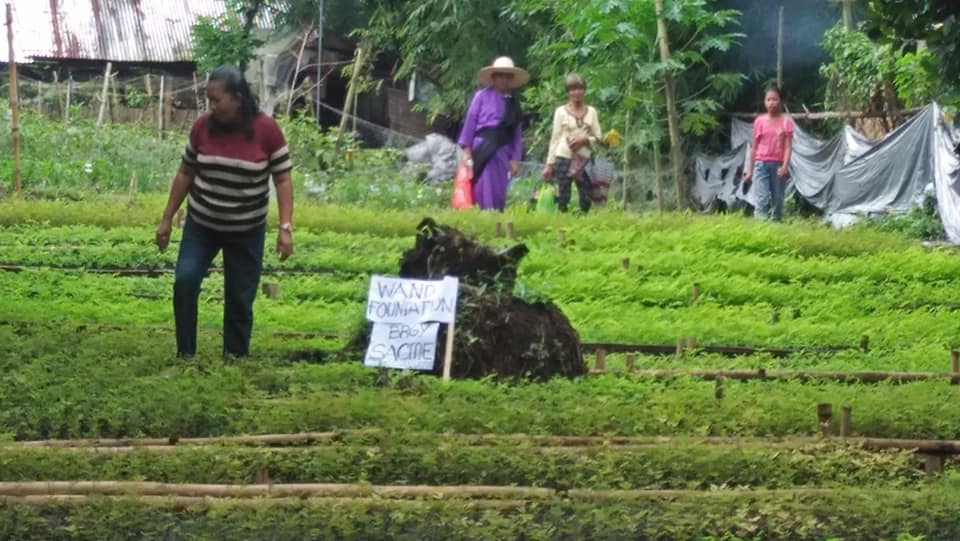
Role of the July–December 2019 Stage
The second half of 2019 was an expansion stage. After the project established the first 35 demonstration farms and completed the initial planting of 16,000 trees, fruits, and vegetables, the next step was to broaden participation and strengthen the local structure that would support long-term activities.
During this period, planting activities expanded, additional demonstration farms were established, and local farmers participated in training sessions related to organization management, climate change, leadership, and cooperation within the community.
Main Results
In the second half of 2019, the project expanded both the environmental and community-based sides of its activities. More farmers became involved, more demonstration farms were developed, and training programs helped strengthen community capacity.
Expansion of Planting Activities
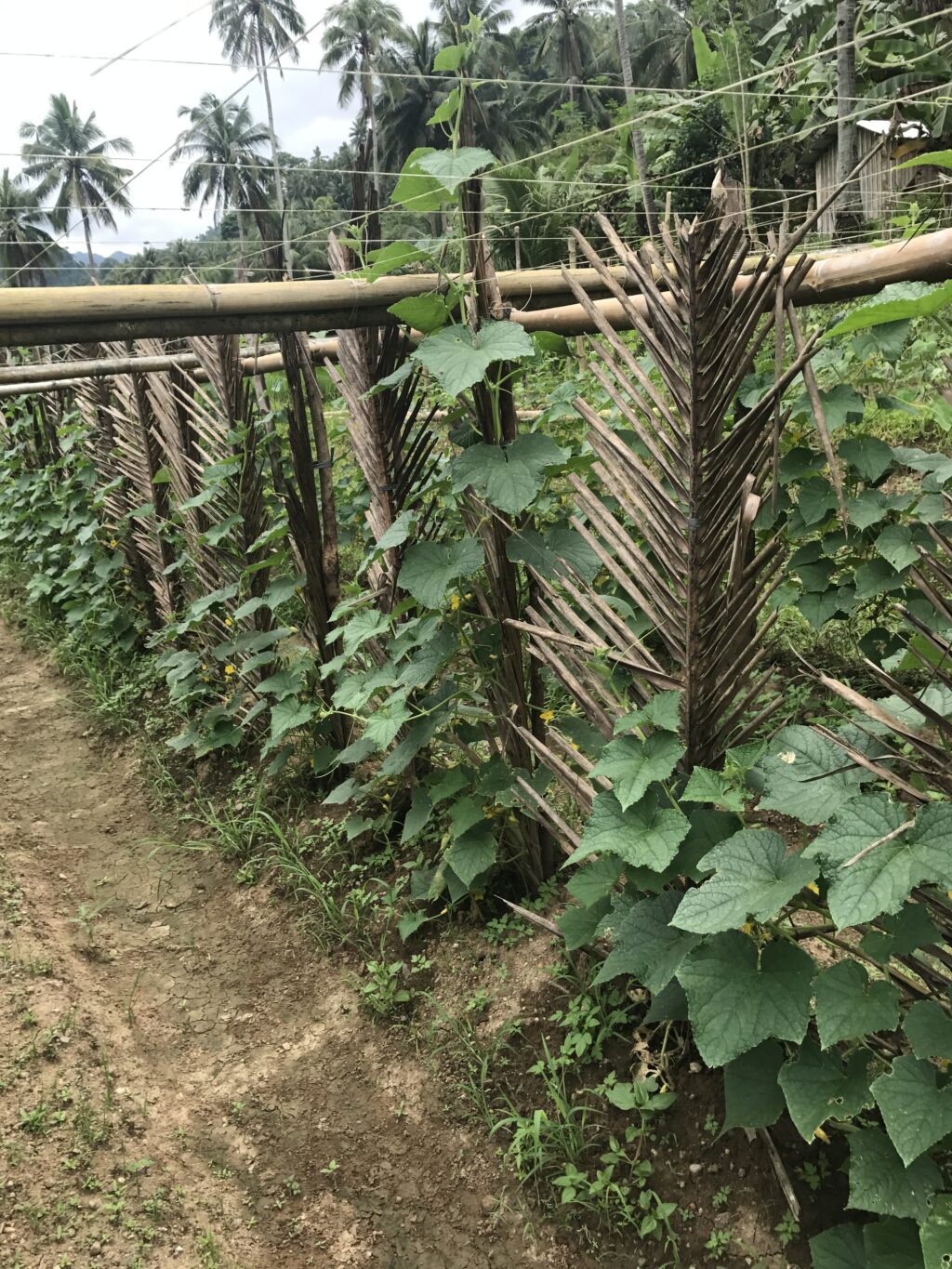
During this period, the project expanded planting activities with 24,500 additional trees, fruits, vegetables, and mushrooms. This was a major step toward helping farmers diversify their farms and restore land damaged by typhoon impacts.
Planting a wide variety of trees and crops was important because each type of plant supports farmers in a different way. Trees and fruit crops contribute to long-term recovery, while vegetables and mushrooms can support food security and shorter-term livelihood needs.
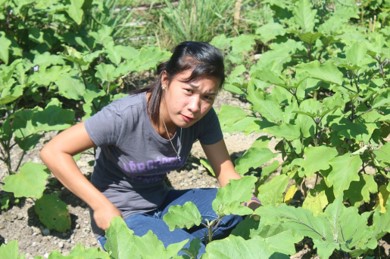
65 Additional Demonstration Farms
In addition to the 35 demonstration farms established during the first stage, 65 more demonstration farms were developed during this period. This brought the total number of demonstration farms to around 100.
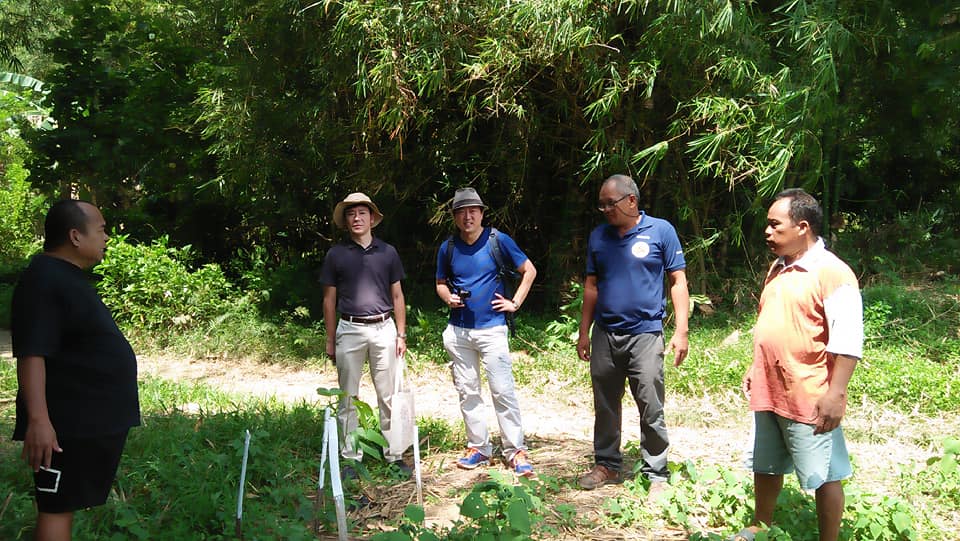
Demonstration farms served as practical learning sites where farmers could observe agroforestry methods in real fields. They also helped spread knowledge through farmer-to-farmer learning, making the project more locally rooted and sustainable.
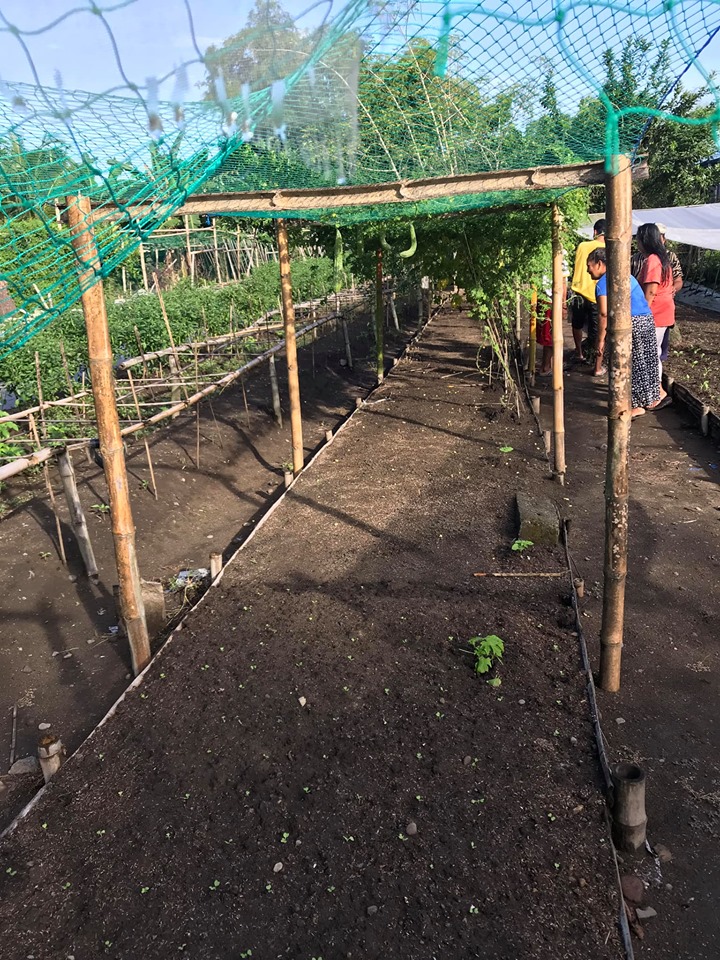
Strengthening Community Organization
As the project expanded, community organization became increasingly important. Farmers needed to coordinate planting activities, manage demonstration farms, share information, and support each other in maintaining seedlings and crops.
Organization management training helped farmers understand how to work together more effectively. This was not only a management activity, but also an essential part of making agroforestry activities continue after the grant period.
Local Coordination
Farmers learned how to coordinate activities and share responsibilities within their groups.
Group Management
Organization training supported stronger local structures for long-term agroforestry activities.
Shared Ownership
Community-based management helped farmers see the project as their own activity, not only outside support.
Climate Change Seminars
Climate change seminars helped farmers understand why agroforestry was important for long-term resilience. Farmers in Leyte are exposed to typhoons, extreme weather, and changing environmental conditions, so climate adaptation is directly connected to their daily lives.
Through the seminars, farmers learned how diversified farming systems, tree planting, and community cooperation could help reduce vulnerability and support recovery from future disasters.
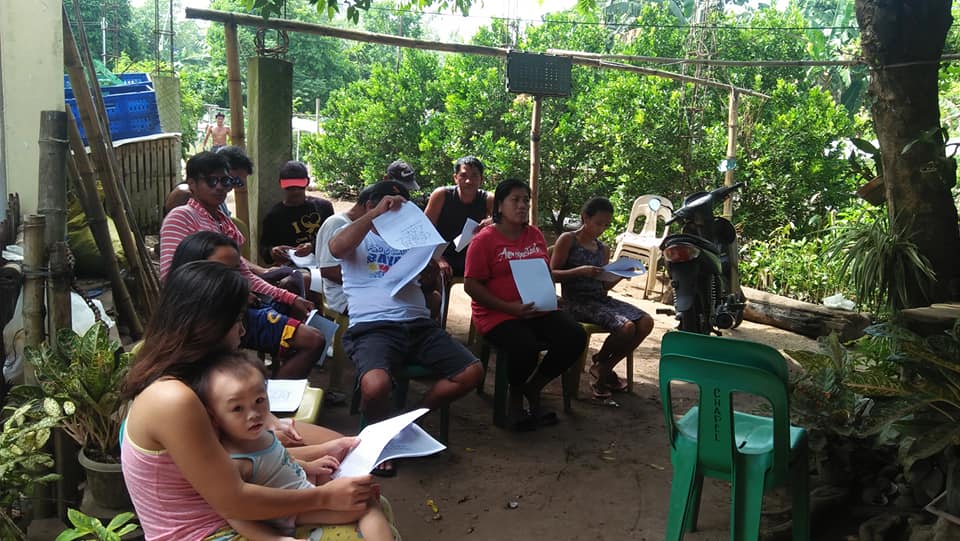
Leadership Development
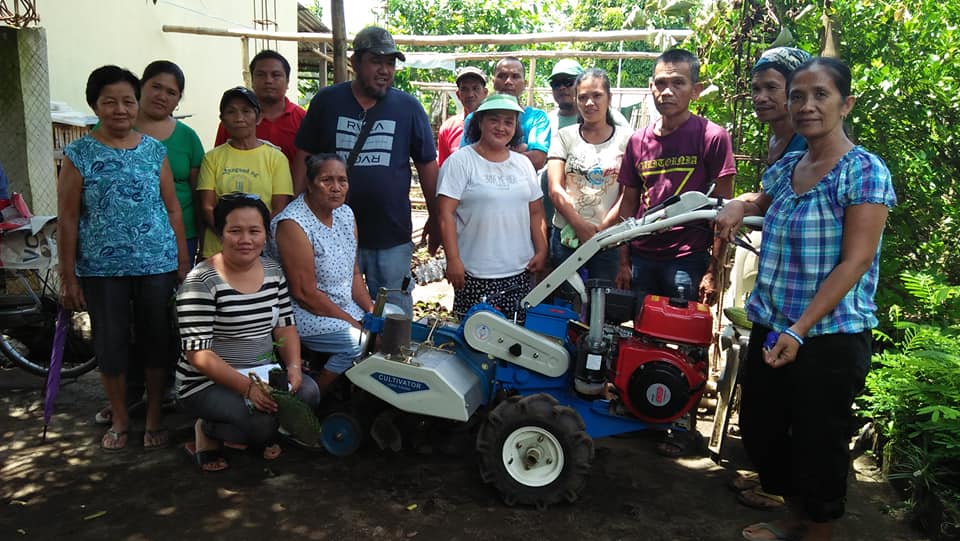
Leadership development seminars were held to strengthen the ability of local farmers and community members to guide activities. As the number of participating farmers and demonstration farms increased, leadership became more important.
Local leaders can help maintain motivation, organize meetings, support conflict resolution, and connect farmers with project staff and partner organizations. This leadership foundation was important for the project’s future stages.
Conflict Management and Cooperation
When many farmers work together, cooperation and communication become essential. The project included training related to conflict management so local groups could deal with problems more constructively.
This kind of training may seem less visible than planting trees, but it is very important for long-term success. If farmers can work together, solve disagreements, and manage shared activities, the environmental work has a better chance of continuing.
Marketing Orientation
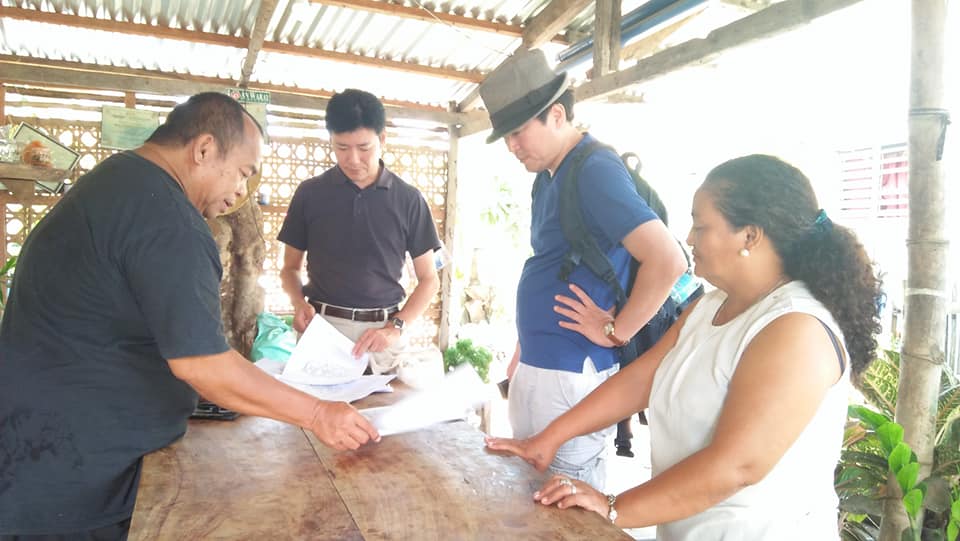
As planting and vegetable production expanded, the project also began to consider how agricultural products could be connected to local markets. Marketing orientation helped farmers start thinking about how their crops could support income generation.
At this stage, it was still early for full-scale product marketing, but it was important to begin preparing farmers and local groups for the future. Agroforestry can become more meaningful for farmers when environmental restoration is connected with livelihood improvement.
July–December 2019 Activity Flow
The second half of 2019 followed a clear expansion process: increasing plantings, developing more demonstration farms, strengthening farmer organizations, and preparing for future marketing and continued activities.
Expand Planting
Additional trees, fruit crops, vegetables, and mushrooms were planted to broaden agroforestry activities.
Add Demonstration Farms
65 additional demonstration farms were developed to support farmer-to-farmer learning.
Train Local Organizations
Farmers participated in organization management, leadership, and climate change seminars.
Prepare for Marketing
The project began helping farmers think about how agricultural products could be connected to future income.
Summary of the Expansion Stage
From July to December 2019, the project expanded significantly. Additional plantings, more demonstration farms, climate change seminars, leadership development, and organization management training helped strengthen both the environmental and social foundations of the project.
This stage prepared the project for the next period, when local organizations would be further strengthened and agricultural product marketing would become a more important theme.
Report Pages by Period
The Toyota Environmental Activities Grant project is organized into period-based report pages so readers can follow the development of the project from launch to expansion, organization strengthening, COVID-19 response, and final evaluation.
Project Launch and Initial Planting
Farmer surveys, neighborhood tree-planting groups, 35 demonstration farms, and 16,000 initial plantings.
Toyota Project Top
The parent page summarizes the full background, activities, results, and significance of the project.
Organization Strengthening and Marketing Preparation
Strengthening local organizations, preparing for agricultural product marketing, and continuing technical support.
COVID-19 Response and Final Evaluation
Learning materials, remote support, 17,000 distributed and planted fruits, vegetables, and mushrooms, and final evaluation.
Next Report
The next report introduces the January to June 2020 stage, including local organization strengthening, agricultural product marketing preparation, technical support, and planning for further demonstration farm expansion.