
2020 Jan-Jun Report
Organization Strengthening and Marketing Preparation
From January to June 2020, the Toyota Environmental Activities Grant project focused on strengthening local farmer organizations, preparing for agricultural product marketing, continuing technical support, and planning further expansion of demonstration farms.
This period was an important transition stage. After the large-scale planting and community training activities in 2019, the project moved toward making farmer groups more capable of managing activities, maintaining demonstration farms, and preparing future income opportunities through agricultural products.
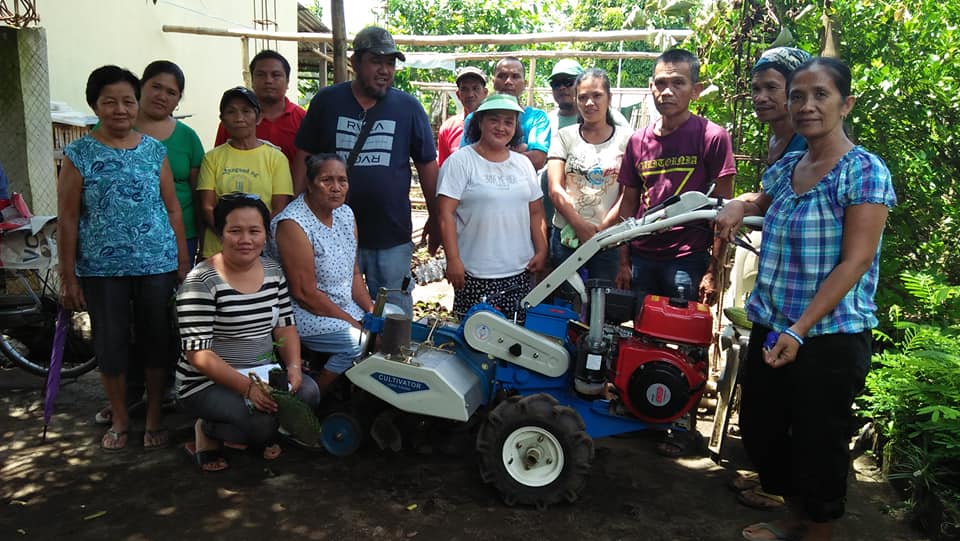
Role of the January–June 2020 Stage
This period followed the intensive planting and training activities of 2019. The project had already supported farmer surveys, neighborhood tree-planting groups, demonstration farms, climate change seminars, leadership development, and large-scale planting.
From January to June 2020, the focus shifted toward strengthening the systems needed to continue these activities. Local farmer groups needed management skills, marketing ideas, technical support, and a clearer path toward sustaining agroforestry activities beyond direct project support.
Main Results
During this stage, the project continued to support farmers and local groups while preparing them for the next phase. Technical guidance, organization strengthening, and marketing preparation were all connected to the long-term sustainability of the agroforestry work.
Strengthening Local Farmer Organizations
As the number of participating farmers and demonstration farms increased, local organization became more important. Farmers needed to coordinate activities, share responsibilities, maintain planted areas, and continue learning from each other.
Organization strengthening helped farmers develop the capacity to manage their own activities. This was essential because agroforestry requires long-term care, not only one-time planting.
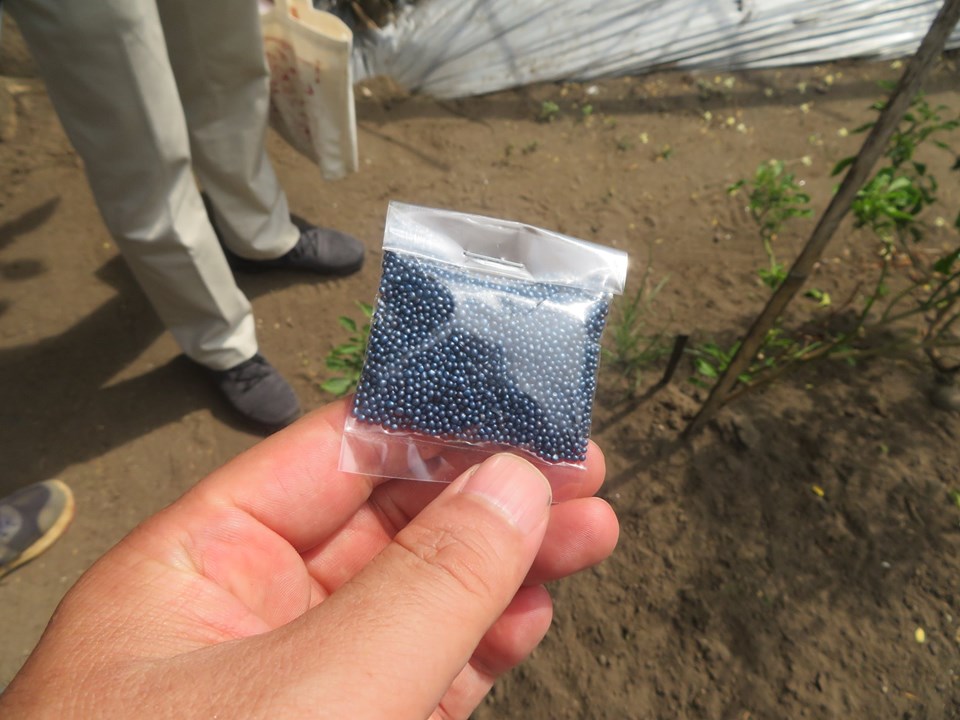
Preparing for Agricultural Product Marketing
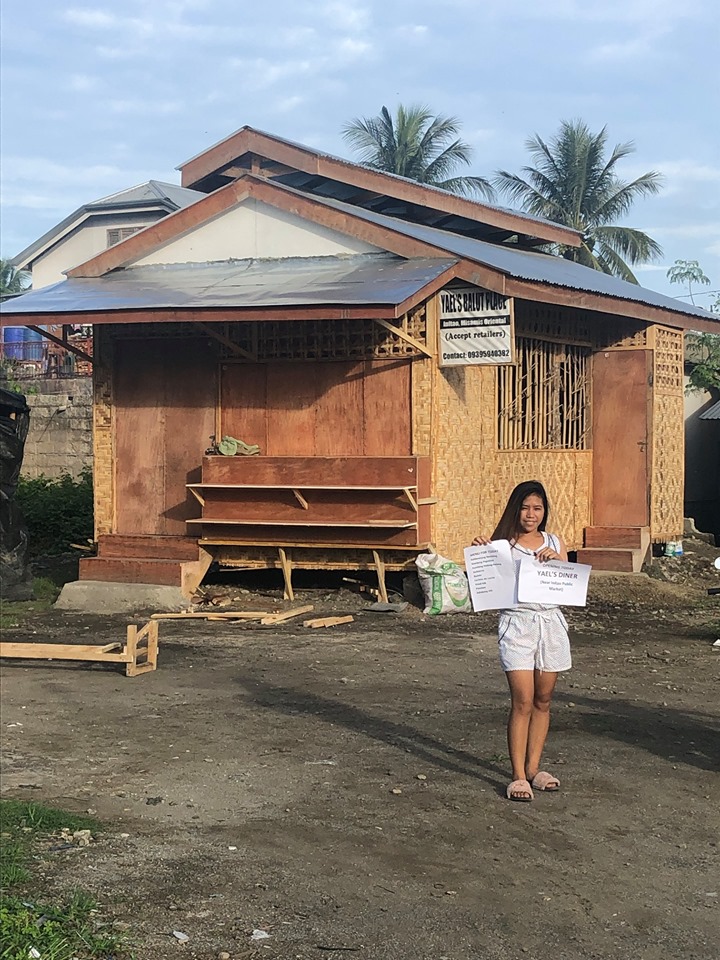
As planting and vegetable production progressed, the project began preparing for agricultural product marketing. For farmers, environmental recovery becomes more meaningful when it is connected with food security and income generation.
Marketing preparation helped farmers and local groups think about how vegetables, fruits, and other farm products could be used, sold, or processed. This was an important step toward connecting agroforestry with practical livelihood improvement.
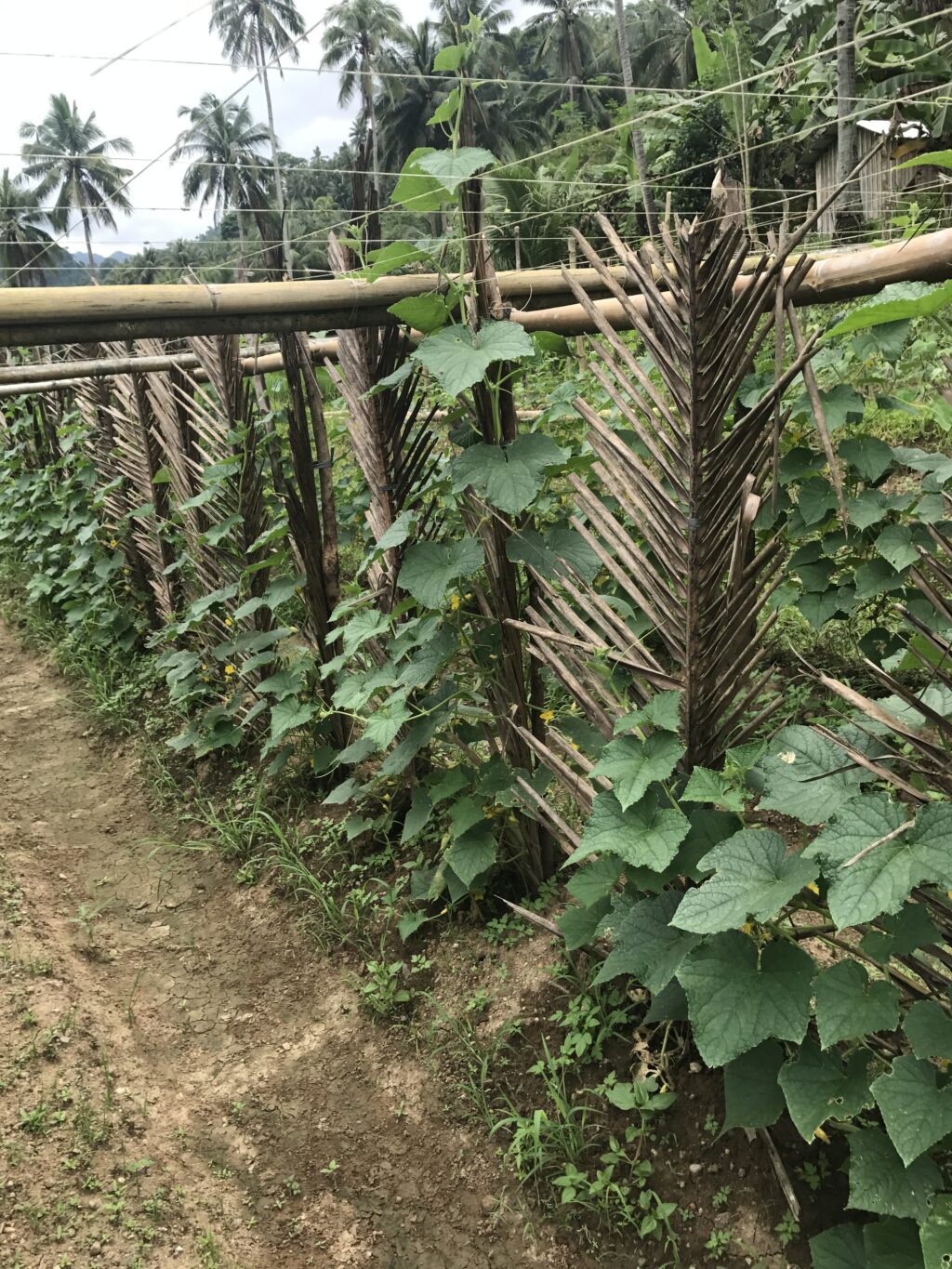
Why Marketing Preparation Was Important
Agroforestry projects often begin with training and planting, but farmers need practical benefits to continue their work. Product marketing can create incentives for farmers to maintain their fields, improve production, and work together through local groups.
In this stage, the project began connecting environmental activities with livelihood opportunities. This helped farmers see agroforestry not only as tree planting, but also as a way to diversify income and build a more resilient farming system.
Food Security
Vegetable production could support household food needs and reduce daily expenses.
Income Opportunities
Surplus vegetables and farm products could become a source of small but important income.
Group Cooperation
Marketing preparation encouraged farmers to work together through local organizations.
Continued Technical Support
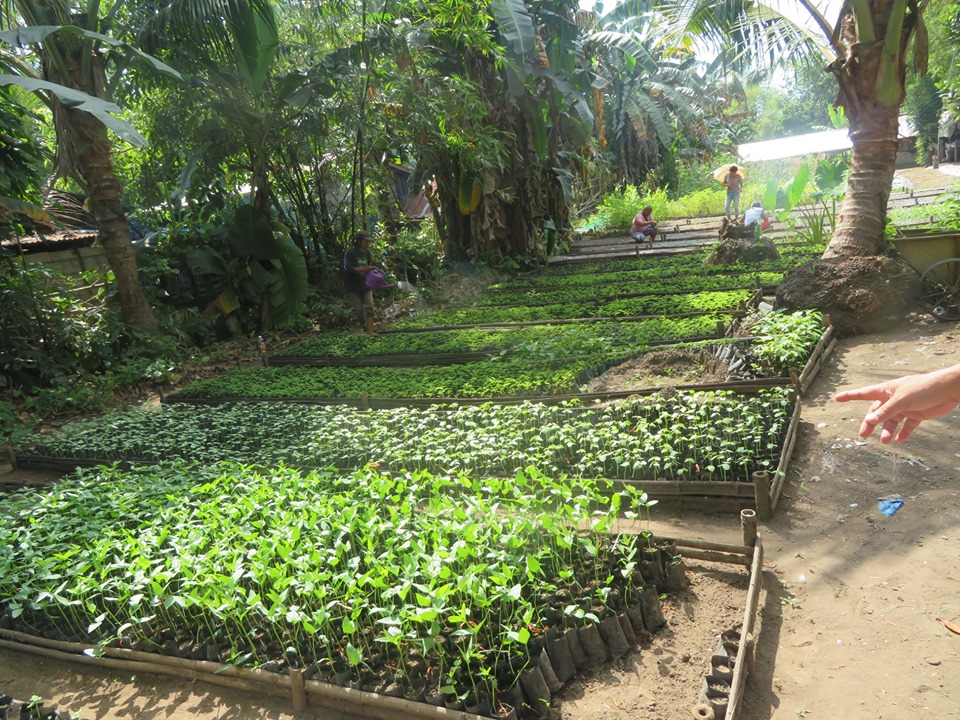
Technical support remained important during this period. Farmers needed guidance on seedling care, demonstration farm management, planting methods, vegetable cultivation, and field monitoring.
Project staff and local partners continued to observe progress, discuss challenges with farmers, and provide practical advice. This helped farmers move from simply receiving seedlings to managing their own agroforestry systems.
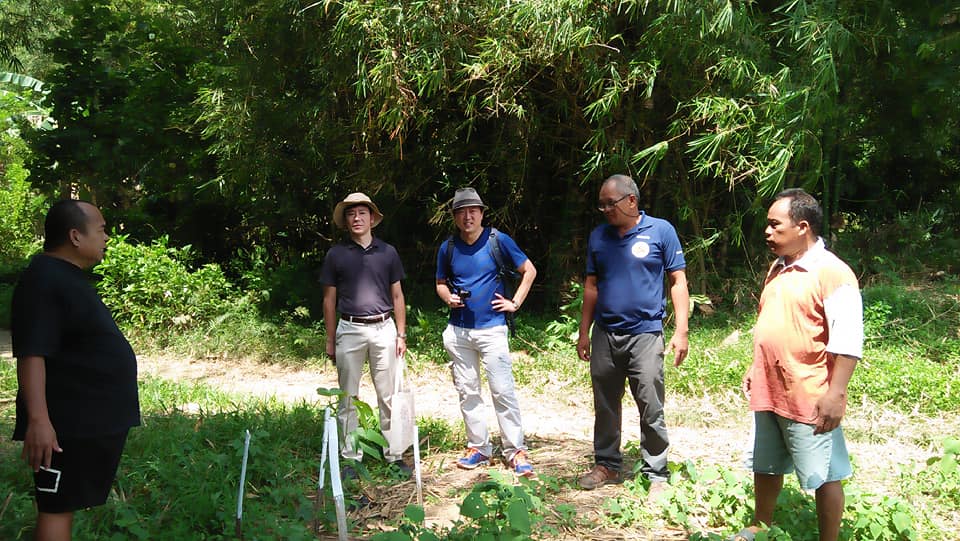
Planning Further Demonstration Farm Expansion
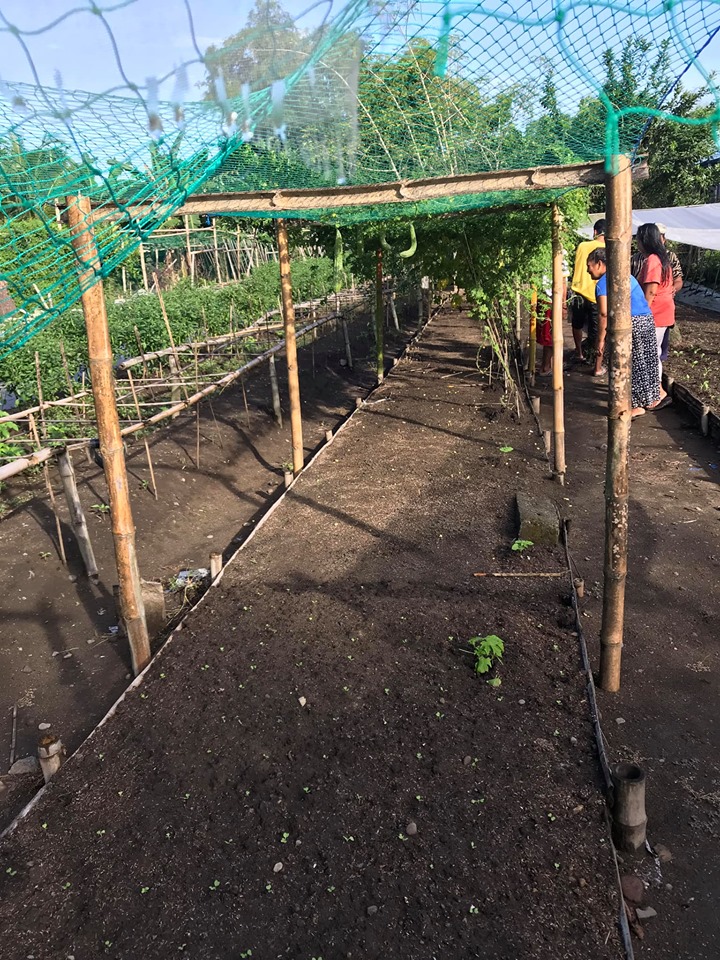
Demonstration farms continued to play an important role in farmer-to-farmer learning. The project considered further expansion and improvement of demonstration farms so that more farmers could see practical examples in their own community.
These farms were not only production sites. They were also learning spaces where farmers could observe crop combinations, ask questions, and discuss methods with other farmers and local partners.
Building the Foundation for Local Continuation
The January to June 2020 stage helped prepare the project for long-term continuation. Organization strengthening, marketing preparation, technical support, and demonstration farm planning were all part of creating a more sustainable local structure.
Agroforestry requires years of care. By strengthening farmer groups and preparing income-related activities, the project aimed to help farmers continue after the grant period and keep the environmental benefits growing.
Emerging Impact of COVID-19
During 2020, the project also began to face the impact of COVID-19. Travel restrictions, gathering restrictions, and safety concerns made it difficult to continue activities in the same way as before.
This period became a bridge between the active field-based activities of 2019 and the more restricted final stage. The project needed to prepare for flexible methods such as learning materials, remote communication, and limited field support.
January–June 2020 Activity Flow
This stage focused on strengthening the systems behind the project so that farmer groups could continue activities and prepare for future income generation.
Strengthen Local Organizations
Farmer groups were supported so they could manage activities and share responsibilities more effectively.
Prepare for Product Marketing
The project began connecting agroforestry production with possible income opportunities for farmers.
Continue Technical Support
Farmers received guidance on demonstration farms, seedling care, vegetable cultivation, and field management.
Adjust to COVID-19 Conditions
The project began preparing flexible activity methods as travel and gathering restrictions emerged.
Summary of the January–June 2020 Stage
From January to June 2020, the project focused on strengthening farmer organizations, preparing for agricultural product marketing, continuing field-level technical support, and planning further demonstration farm expansion.
This stage was important because it helped move the project from planting and training toward local continuation. It also prepared the project for the final period, when COVID-19 restrictions would require more flexible methods such as learning materials and remote technical support.
Report Pages by Period
The Toyota Environmental Activities Grant project is organized into period-based report pages so readers can follow the development of the project from launch to expansion, organization strengthening, COVID-19 response, and final evaluation.
Project Launch and Initial Planting
Farmer surveys, neighborhood tree-planting groups, 35 demonstration farms, and 16,000 initial plantings.
Planting Expansion and Community Organization
24,500 additional plantings, 65 additional demonstration farms, organization management training, and climate change seminars.
Toyota Project Top
The parent page summarizes the full background, activities, results, and significance of the project.
COVID-19 Response and Final Evaluation
Learning materials, remote support, 17,000 distributed and planted fruits, vegetables, and mushrooms, and final evaluation.
Next Report
The next report introduces the final project stage, including continued activities during COVID-19, learning materials, remote technical support, seedling distribution, planting activities, and final evaluation.