
Final Report
Continuing Agroforestry Activities and Evaluation During COVID-19
The final stage of the Toyota Environmental Activities Grant project took place under the difficult conditions of COVID-19. While travel, gatherings, and face-to-face training were restricted, the project continued through learning materials, remote technical support, seedling distribution, planting activities, and final evaluation.
This final report summarizes how the project adapted to COVID-19, continued supporting farmers in Tanauan, Leyte, and organized the main achievements of the agroforestry and climate change adaptation activities.
Role of the Final Stage
The final stage followed the project’s earlier activities: farmer surveys, neighborhood tree-planting groups, demonstration farms, large-scale planting, climate change seminars, leadership training, organization strengthening, marketing preparation, and technical support.
However, COVID-19 created serious challenges. The project could no longer continue all field activities in the same way. Meetings and trainings had to be reduced or changed, and the project team needed to find flexible ways to continue supporting farmers while protecting the health and safety of communities.
Main Results in the Final Stage
Despite the impact of COVID-19, the project continued important activities and completed the final evaluation. The final stage helped confirm the progress made through the grant project and the remaining needs for future continuation.
Continuing Activities Under COVID-19 Restrictions
COVID-19 affected the project in many ways. Travel restrictions and limits on gatherings made it difficult to conduct normal seminars, field visits, and community meetings.
Instead of stopping the project completely, the team adjusted the activities. Learning materials, phone calls, text messages, and limited field support were used to keep farmers connected to the project and help them continue caring for seedlings and crops.
Learning Materials for Farmers
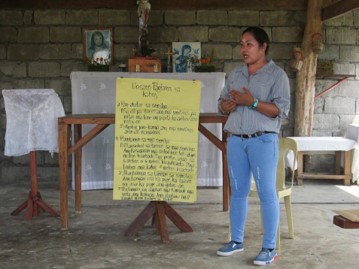
Because large face-to-face trainings were difficult, learning materials became an important tool for continuing farmer education. These materials helped farmers review planting methods, seedling care, vegetable cultivation, and agroforestry concepts at home.
This approach was especially useful during a period when movement and meetings were restricted. It allowed farmers to continue learning even when project staff could not visit as frequently as before.
Remote Technical Support
Remote support through phone calls and text messages helped project staff and local partners stay connected with farmers. These communication methods were used to check planting progress, respond to questions, and provide technical advice when direct visits were limited.
Although remote support could not fully replace face-to-face guidance, it helped maintain continuity. Farmers were able to continue caring for seedlings, vegetables, and demonstration farms with advice from the project team and local partners.
Maintaining Communication
Phone and text messages helped keep farmers connected to the project despite restrictions.
Supporting Field Practice
Farmers could receive practical guidance on seedling care, crop management, and planting activities.
Preparing Evaluation
Remote communication also helped collect information for the final review of project activities.
Seedling Distribution and Continued Planting
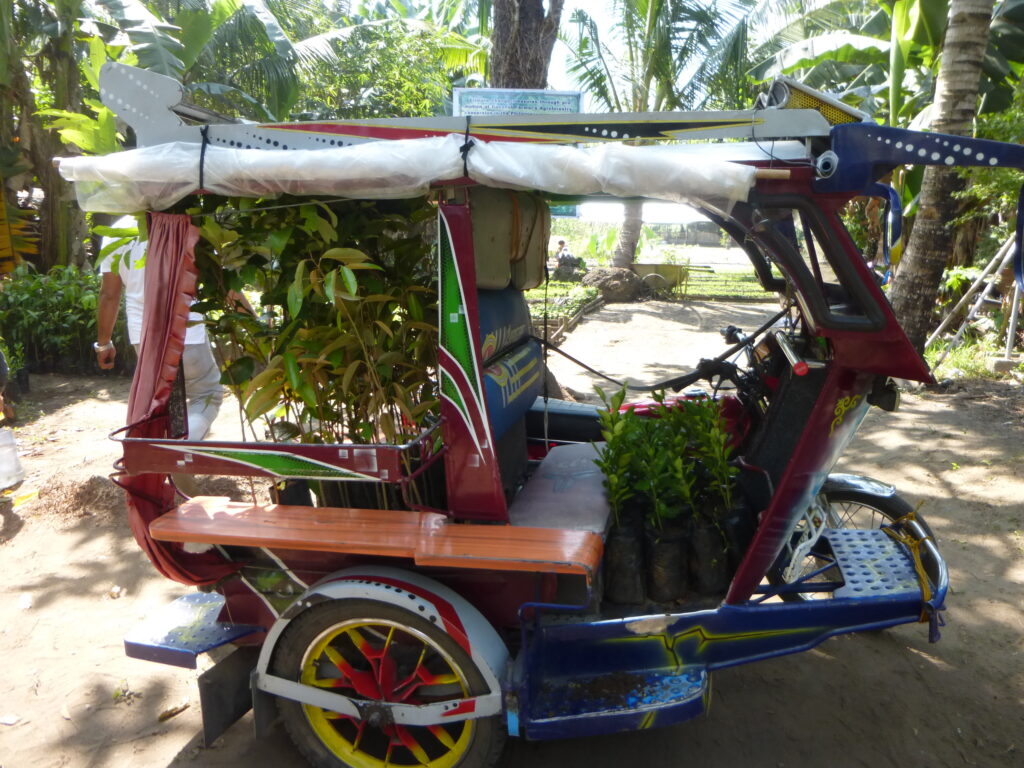
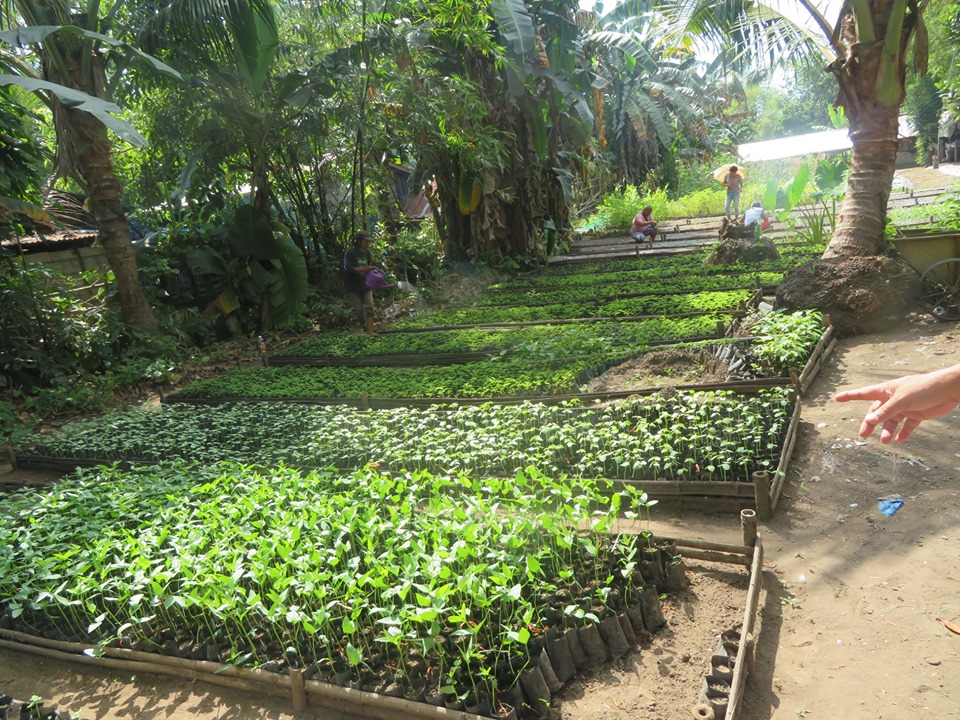
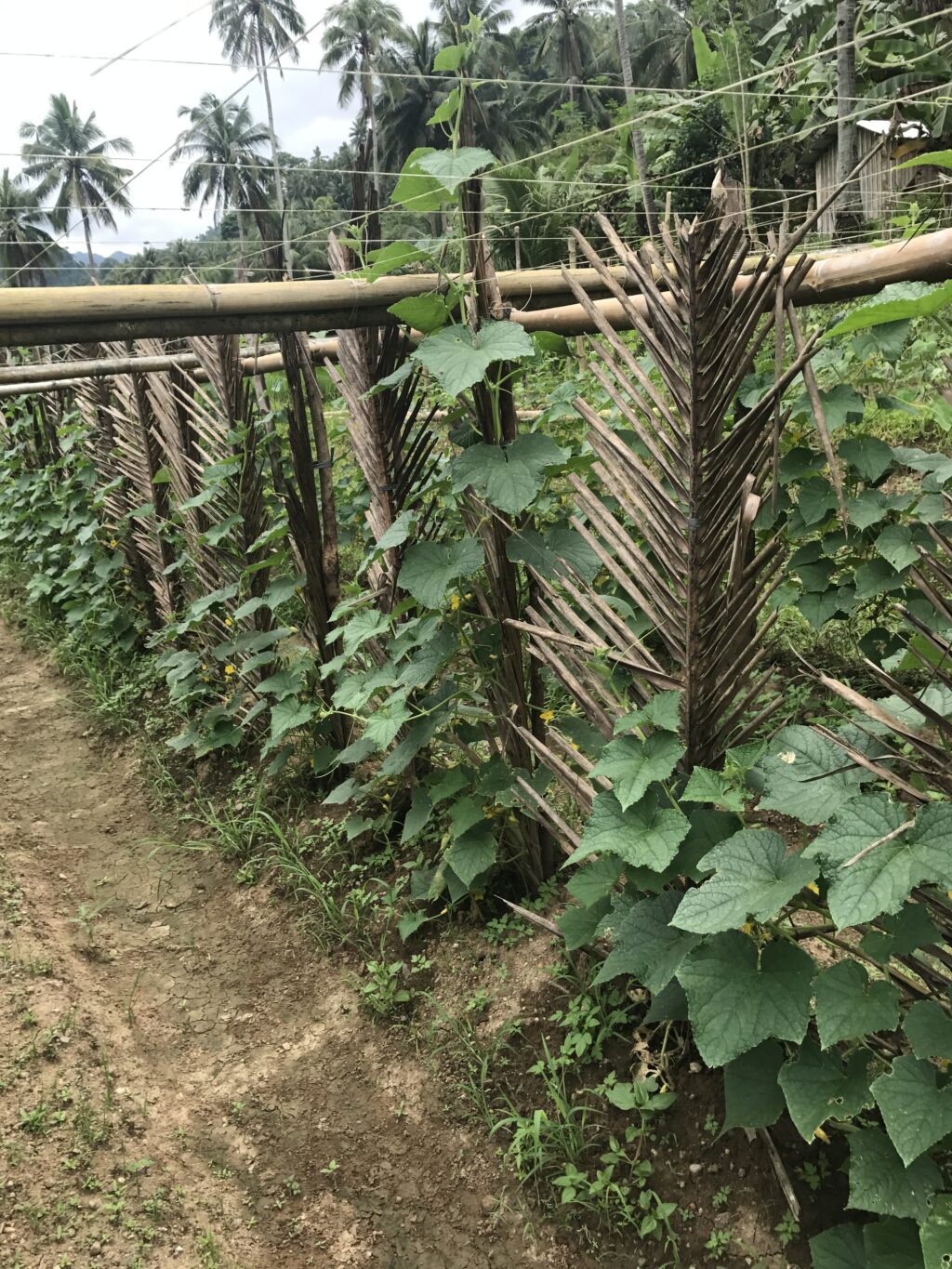
Even during the final stage, the project continued distributing and planting fruits, vegetables, and mushrooms. Around 17,000 fruits, vegetables, and mushrooms were distributed and planted during this period.
This activity helped sustain the momentum of the project. It also supported farmers’ food security and income potential during a difficult time when many communities were affected by COVID-19-related economic uncertainty.
Supporting Food Security and Livelihoods
Vegetables, fruits, and mushrooms were important because they could support both household food needs and possible income generation. While trees and long-term crops take time to mature, vegetables and mushrooms can provide more immediate benefits.
During COVID-19, these practical livelihood benefits became even more important. The project’s agroforestry approach helped farmers think about diversified production rather than relying only on coconut farming.
Final Evaluation
The final evaluation reviewed the achievements and challenges of the Toyota Environmental Activities Grant project. It looked at planting activities, demonstration farms, farmer participation, training, organization strengthening, technical support, and the project’s response to COVID-19.
The evaluation confirmed that the project created a foundation for agroforestry and climate change adaptation in Tanauan. It also showed that continued maintenance, farmer organization support, product marketing, and long-term technical guidance would remain important after the grant period.
Challenges During the Final Stage
The greatest challenge during the final stage was the impact of COVID-19. Activities that depended on direct meetings, group training, and regular field visits became difficult to implement.
The project also faced the long-term challenge common to agroforestry: planted trees and demonstration farms require continued care after the project period. Farmer groups need ongoing motivation, organization, and practical support to maintain and expand the activities.
What the Project Achieved
Across the project period, farmers in Tanauan participated in surveys, planting groups, demonstration farms, planting activities, climate change seminars, leadership training, organization management, marketing preparation, and technical support.
The project helped farmers take practical steps toward diversified farming and climate resilience. It also strengthened local awareness of agroforestry as a way to connect environmental restoration with livelihood recovery.
Final Stage Activity Flow
The final stage followed a flexible process that allowed the project to continue under COVID-19 restrictions while completing the main activities and evaluation.
Adjust Activities to COVID-19
The project reduced large gatherings and shifted toward learning materials, remote support, and limited field activities.
Continue Farmer Support
Farmers continued receiving guidance through phone, text, learning materials, and local partner support.
Distribute and Plant Crops
Fruits, vegetables, and mushrooms were distributed and planted to support food security and livelihood opportunities.
Complete Final Evaluation
The project reviewed achievements, challenges, and future needs for continued agroforestry activities in Tanauan.
Final Stage Photos
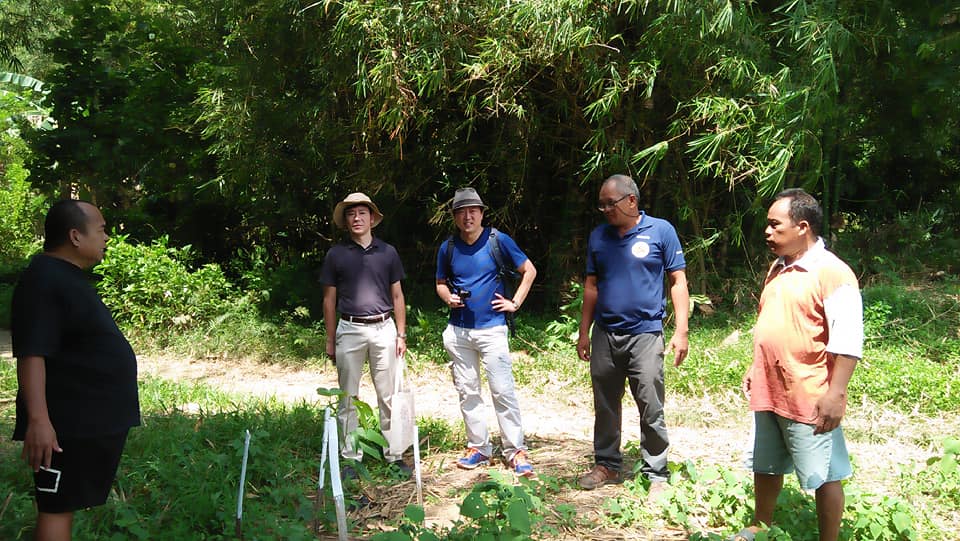
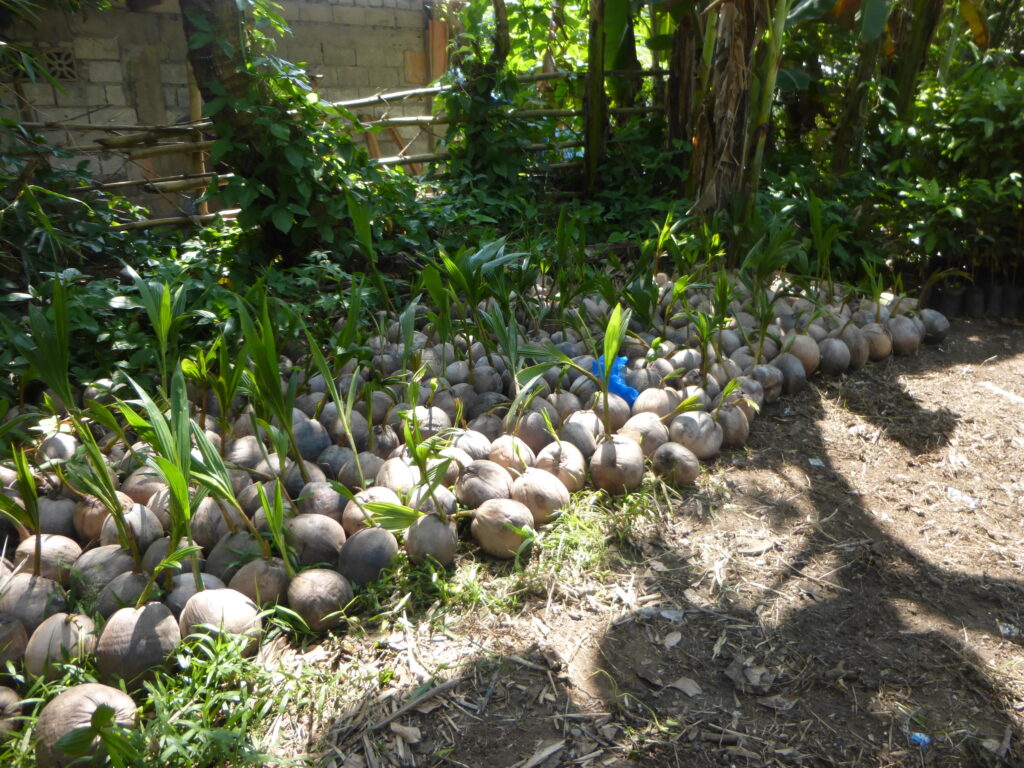
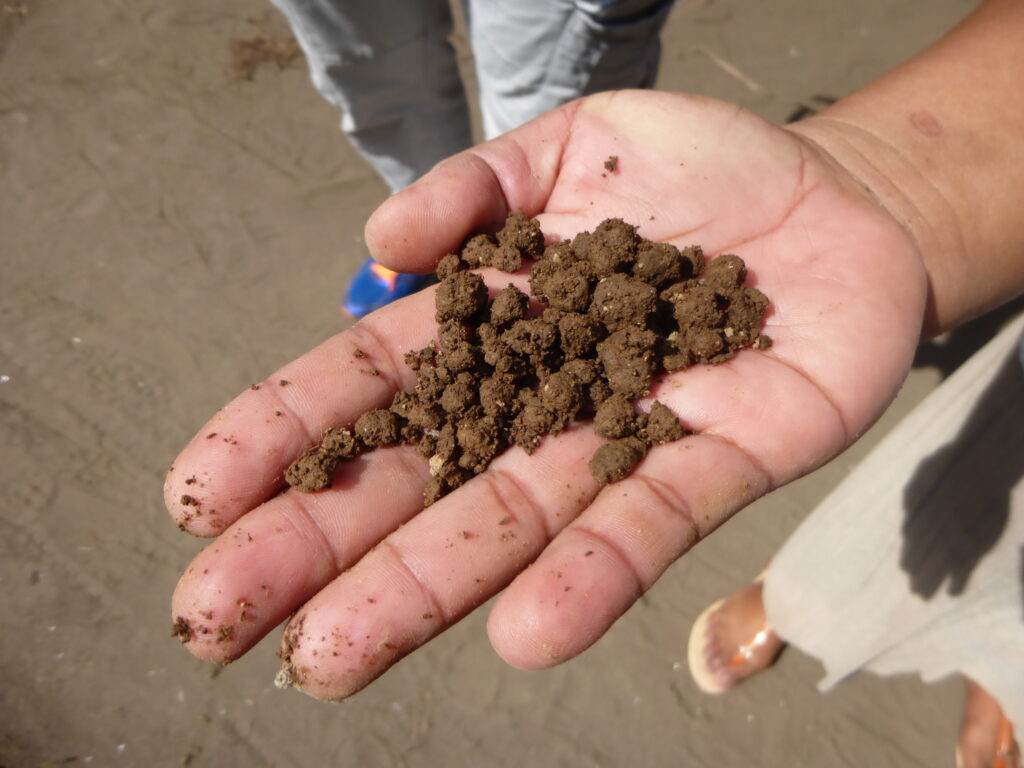
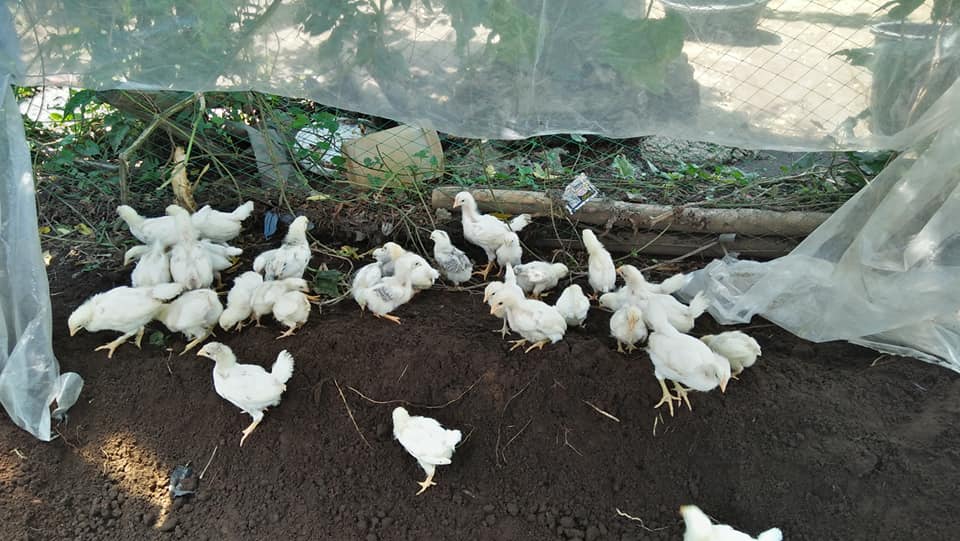
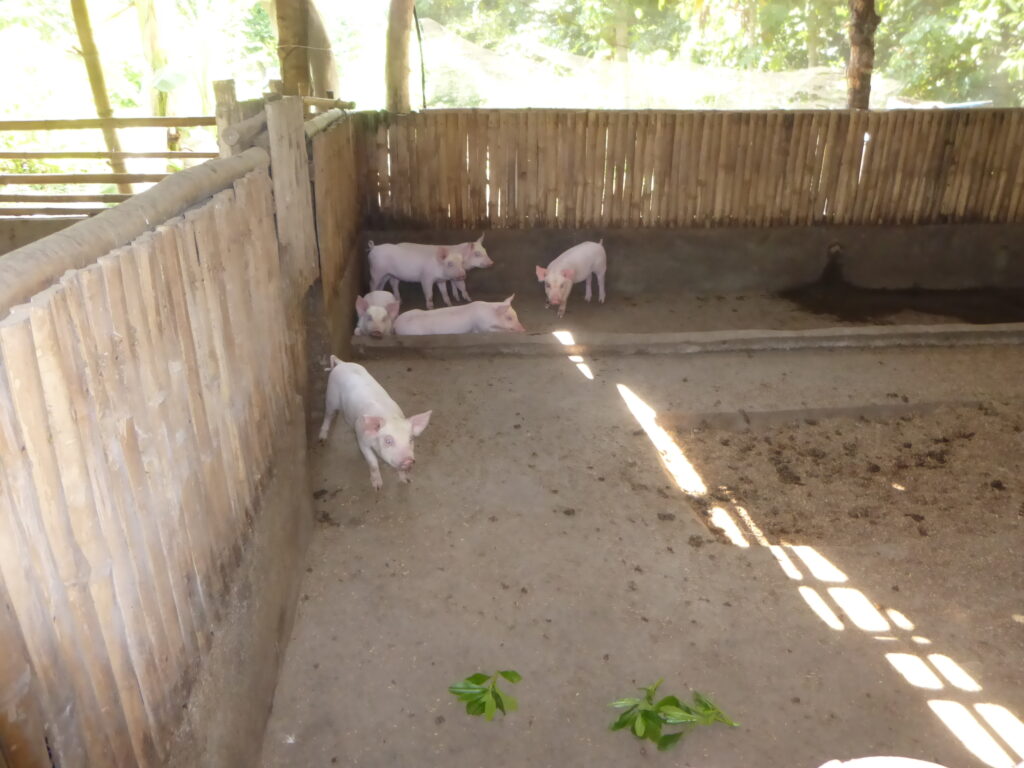
These photos show continued planting, technical support, field monitoring, and final review activities during the COVID-19 period.
Project Summary
The Toyota Environmental Activities Grant project supported agroforestry and climate change adaptation in Tanauan, Leyte. It helped coconut farmers and rural communities recover from typhoon damage through farmer surveys, seedling distribution, demonstration farms, climate change education, community organization, technical support, and final evaluation.
Even under COVID-19 restrictions, the project continued through flexible methods. The experience showed that community-based environmental projects need practical adaptation, strong local partnerships, and long-term commitment.
Future Needs
After the project period, continued care of planted trees, maintenance of demonstration farms, support for farmer organizations, and development of local marketing remain important. Agroforestry is a long-term process, and its full benefits appear over many years.
HHHJapan hopes that the experience gained through this project will continue to support future agroforestry, climate change adaptation, and rural community resilience in the Philippines and beyond.
Report Pages by Period
The Toyota Environmental Activities Grant project is organized into period-based report pages so readers can follow the development of the project from launch to expansion, organization strengthening, COVID-19 response, and final evaluation.
Project Launch and Initial Planting
Farmer surveys, neighborhood tree-planting groups, 35 demonstration farms, and 16,000 initial plantings.
Planting Expansion and Community Organization
24,500 additional plantings, 65 additional demonstration farms, organization management training, and climate change seminars.
Organization Strengthening and Marketing Preparation
Strengthening local organizations, preparing for agricultural product marketing, and continuing technical support.
Toyota Project Top
The parent page summarizes the full background, activities, results, and significance of the project.
Back to Toyota Project Top
You can return to the parent page to view the full overview of the Toyota Environmental Activities Grant agroforestry project.