
Toyota Environmental Activities Grant Project
Toyota Environmental Activities Grant Agroforestry Project
HHHJapan implemented an agroforestry and climate change adaptation project in Tanauan, Leyte, Philippines, with support from the Toyota Environmental Activities Grant Program.
The project supported coconut farmers and rural communities affected by Typhoon Haiyan through farmer surveys, seedling distribution, demonstration farms, climate change seminars, community organization training, farmer-to-farmer learning, and environmental restoration activities.
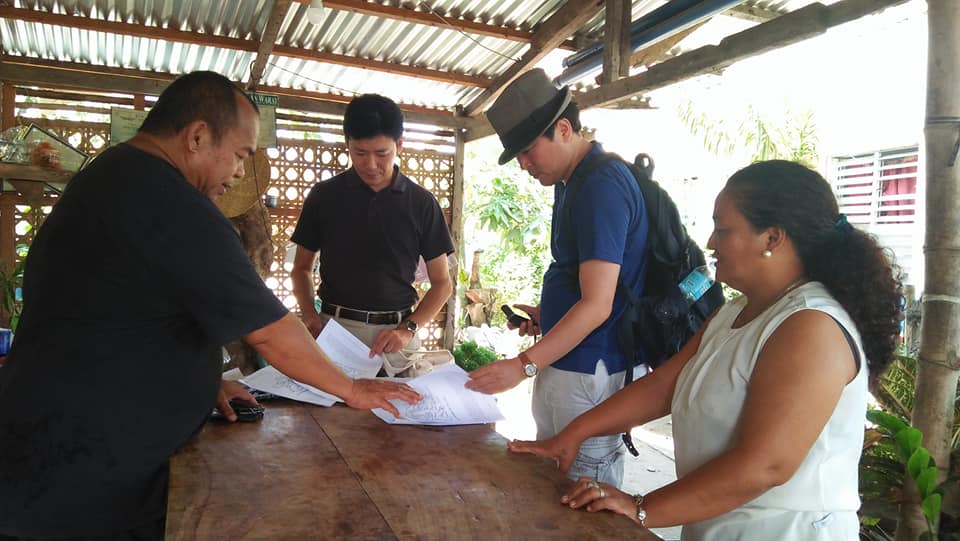
Project Overview
This project was implemented in and around Tanauan, Leyte, a region severely affected by Typhoon Haiyan. Many coconut farmers lost trees, farmland productivity, and long-term sources of income. The project aimed to support their recovery by introducing agroforestry practices and strengthening community-based environmental activities.
The activities included farmer surveys, the formation of neighborhood tree-planting groups, seedling and vegetable planting, demonstration farms, climate change seminars, leadership development, organization management training, and continued technical support for farmers.
Background of the Project
Typhoon Haiyan caused massive damage to rural communities in Leyte. For coconut farmers, the loss of coconut trees meant not only environmental damage but also a long-term loss of income, because coconut trees take years to recover and become productive again.
Agroforestry offered a way to help farmers rebuild more resilient farming systems. By combining coconut farming with fruit trees, timber trees, vegetables, home gardens, and community learning, farmers could diversify their sources of food and income while restoring damaged land.
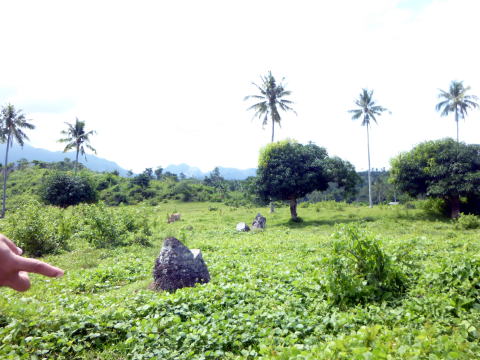
Project Goals
The project aimed to strengthen both the environment and the livelihoods of farmers. It focused on practical activities that farmers could implement in their own fields while also building community capacity for long-term continuation.
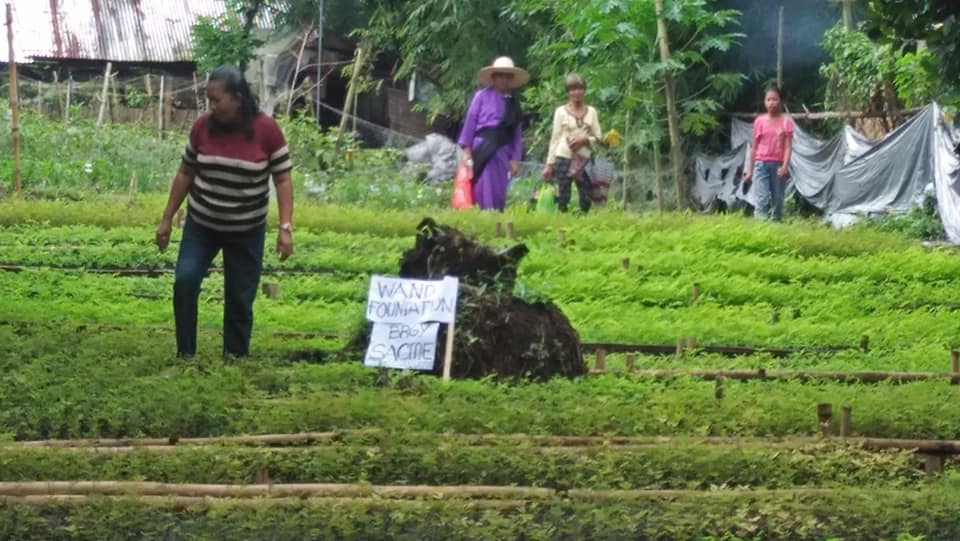
Agroforestry Conversion
The project helped coconut farmers move toward diversified farming systems that combine trees, crops, and vegetables.
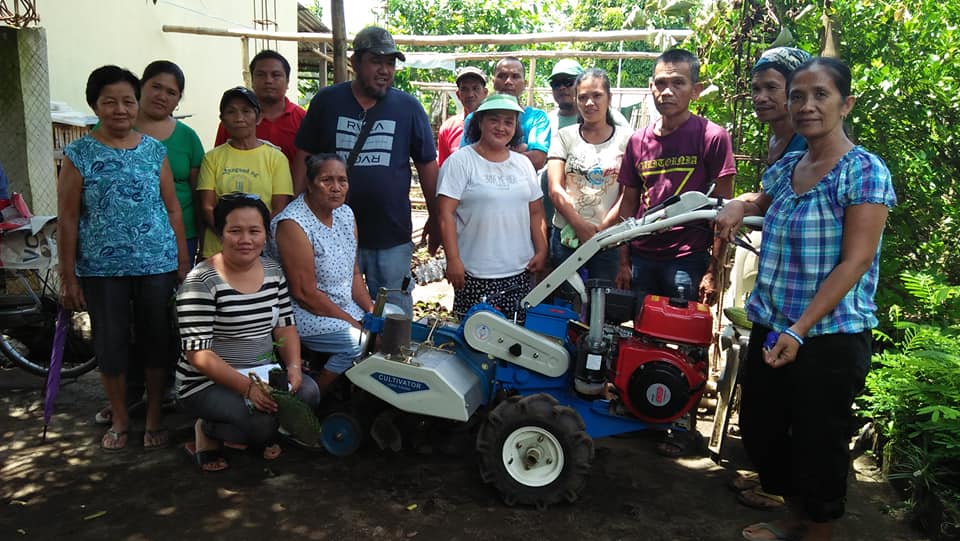
Community Organization
Farmers formed and strengthened local groups so that activities could continue within the community.
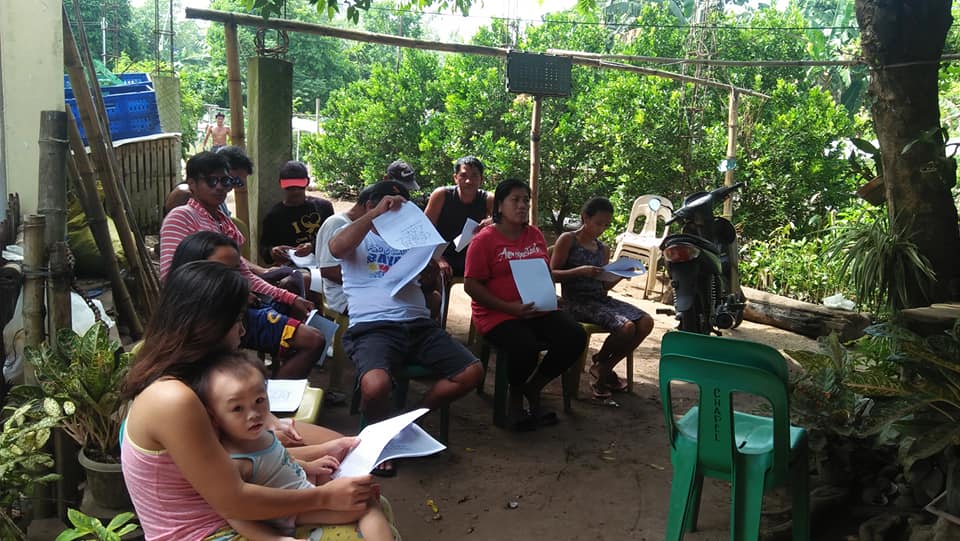
Climate Change Education
Seminars helped farmers understand climate risks and the role of agroforestry in adaptation and resilience.
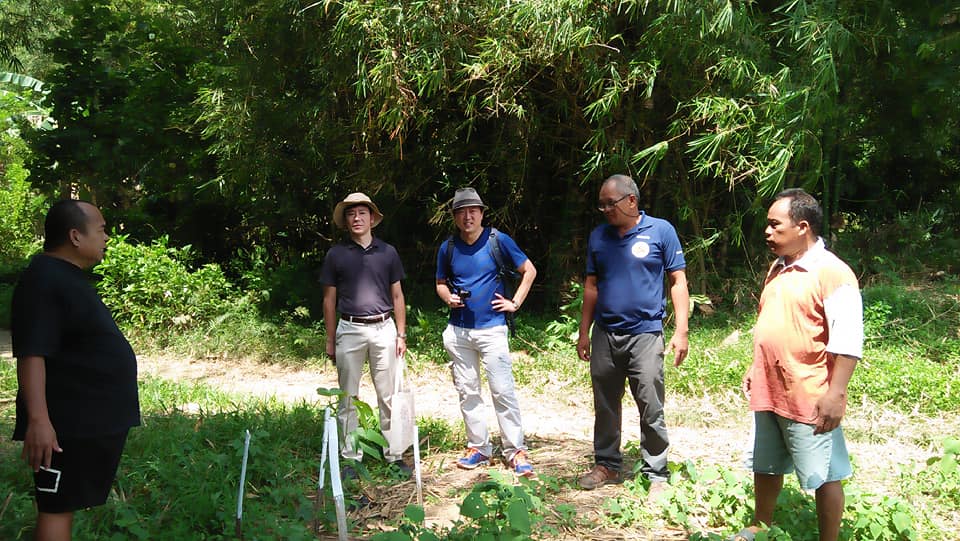
Technical Support
Local experts and project staff visited farmers, monitored progress, and provided practical guidance in the field.
Project Timeline
The project developed in stages, beginning with farmer surveys and initial planting, then expanding into demonstration farms, community training, marketing preparation, and final evaluation during the COVID-19 period.
January to June: Project Launch, Farmer Survey, and Initial Planting
The project began with a survey of 150 farmers, the formation of neighborhood tree-planting groups, the establishment of 35 demonstration farms, and the planting of 16,000 trees, fruits, and vegetables.
July to December: Planting Expansion and Community Organization
Activities expanded through 24,500 additional plantings, 65 additional demonstration farms, organization management training, climate change seminars, and leadership development.
January to June: Organization Strengthening and Marketing Preparation
The project focused on strengthening local farmer organizations, preparing for agricultural product marketing, continuing technical support, and planning the expansion of demonstration farms.
Late 2020 to 2021: Continued Activities and Final Evaluation During COVID-19
Despite travel and gathering restrictions, the project continued through learning materials, remote support, seedling distribution, planting activities, and final evaluation.
Main Activities
The Toyota Environmental Activities Grant project combined environmental restoration with farmer support. The goal was not only to plant trees, but also to help farmers learn, organize, and continue activities locally.
Farmer Surveys
Surveys helped understand farmers’ livelihoods, typhoon damage, field conditions, and needs for recovery.
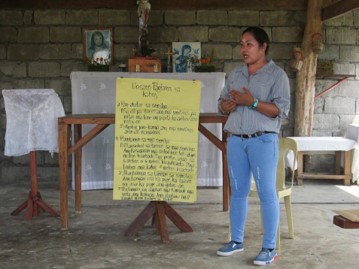
Seedling Distribution
Fruit trees, timber trees, vegetables, and other planting materials were distributed to support agroforestry conversion.
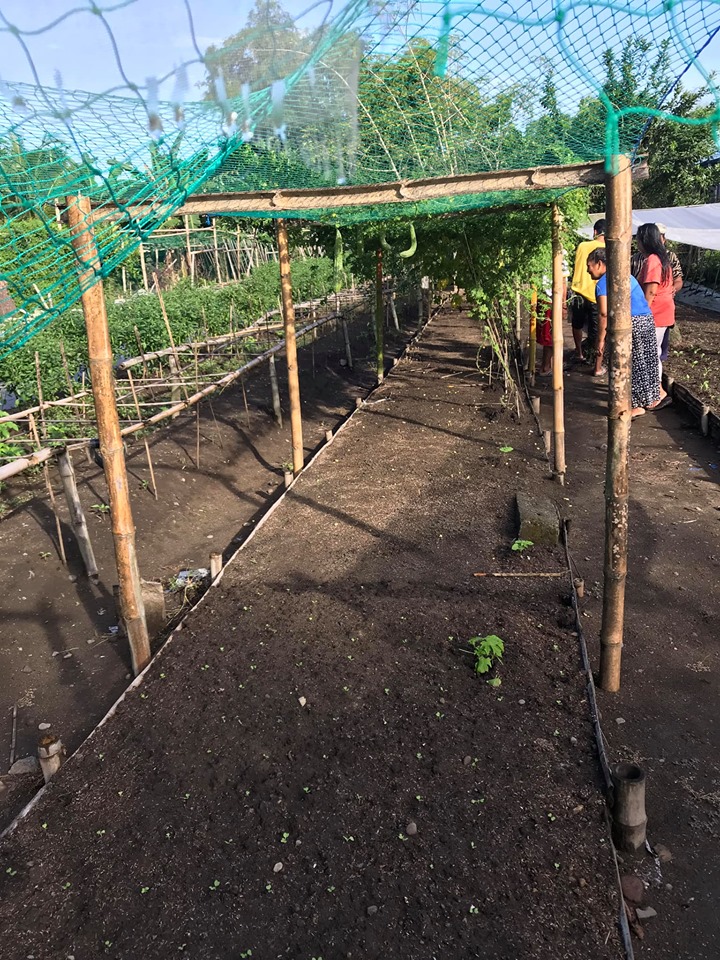
Demonstration Farms
Demonstration farms helped farmers learn from practical examples and spread knowledge from farmer to farmer.
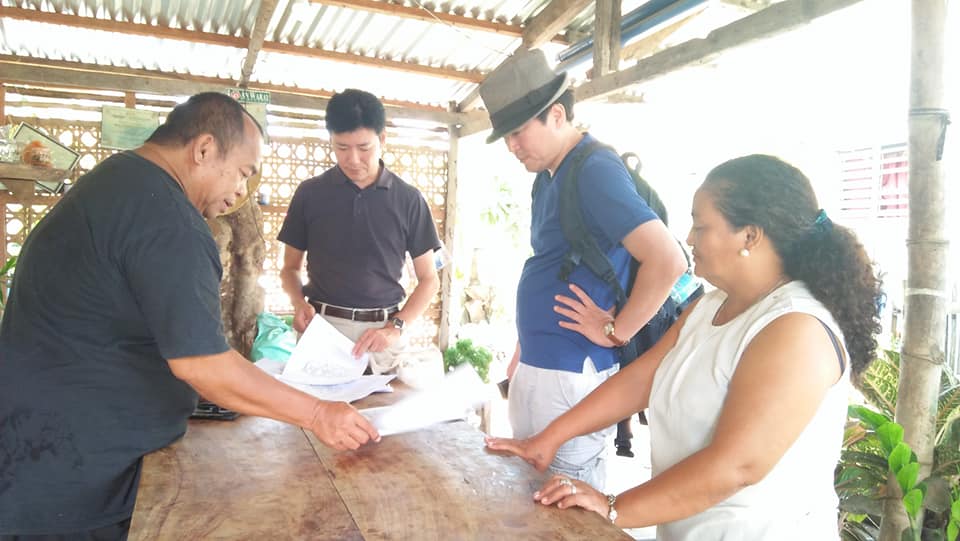
Monitoring and Evaluation
Field visits and evaluations helped confirm progress, identify challenges, and plan future activities.
Key Results
Across the project period, many farmers participated in planting, training, demonstration farm development, and community organization activities. The project created a practical foundation for agroforestry and climate change adaptation in Tanauan.
Demonstration Farms and Farmer-to-Farmer Learning
Demonstration farms were one of the core methods of the project. Farmers could learn more easily by seeing real fields and practical examples in their own community.
By developing demonstration farms, the project helped farmers share knowledge with neighbors and spread agroforestry practices beyond the original participants. This farmer-to-farmer learning approach was important for long-term sustainability.
Community Training and Climate Change Education
The project included climate change seminars, leadership development, organization management training, and conflict management training. These activities helped farmers understand environmental risks and strengthen their ability to work together.
Agroforestry requires long-term cooperation. Community organization and leadership are essential for maintaining planted trees, managing demonstration farms, and continuing activities after the grant period.
Continuing Activities During COVID-19
In 2020, COVID-19 created major restrictions on travel, gatherings, and face-to-face training. The project had to change its approach while continuing to support farmers as much as possible.
Learning materials, phone and text-based technical support, limited field activities, and final evaluation helped keep the project moving despite the difficult situation. This period showed the importance of flexibility in community-based environmental projects.
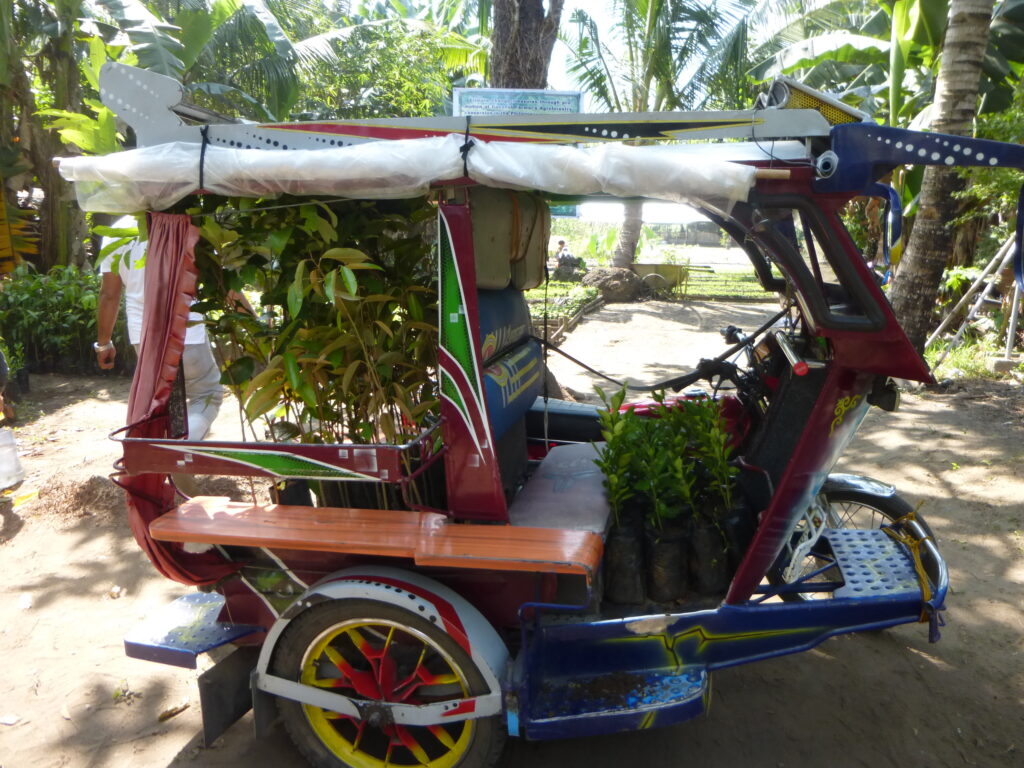
Project Photos
These photos show seedling preparation, demonstration farms, climate change seminars, field visits, and community activities carried out through the Toyota Environmental Activities Grant project.
Report Pages by Period
Detailed reports are organized by period. You can follow the project from the launch stage to planting expansion, organization strengthening, COVID-19 response, and final evaluation.
Project Launch, Farmer Survey, and Initial Planting
Farmer surveys, neighborhood tree-planting groups, 35 demonstration farms, and 16,000 initial plantings.
Planting Expansion and Community Organization
24,500 additional plantings, 65 additional demonstration farms, organization management training, and climate change seminars.
Organization Strengthening and Marketing Preparation
Strengthening local organizations, preparing for agricultural product marketing, technical support, and demonstration farm expansion.
COVID-19 Response and Final Evaluation
Learning materials, remote support, 17,000 distributed and planted fruits, vegetables, and mushrooms, and final evaluation.
Significance for HHHJapan
The Toyota Environmental Activities Grant project was an important part of HHHJapan’s environmental and international cooperation activities. It connected disaster recovery, climate change adaptation, farmer support, community organization, and environmental restoration.
Through this project, HHHJapan deepened its experience in supporting agroforestry activities in typhoon-affected rural areas and learned how community-based environmental projects can continue even under difficult conditions such as COVID-19.
Related Pages
You can also visit the overall agroforestry page and other grant project pages to learn more about HHHJapan’s environmental activities.