
2019 Jan-Jun Report
Project Launch, Farmer Survey, and Initial Planting
From January to June 2019, the Toyota Environmental Activities Grant project began in Tanauan, Leyte. The first stage focused on farmer surveys, neighborhood tree-planting groups, demonstration farms, seedling preparation, and the initial planting of trees, fruits, and vegetables.
This period created the practical foundation for the project. By understanding farmers’ conditions and starting demonstration farms, the project helped coconut farmers begin the transition toward agroforestry and climate-resilient farming.
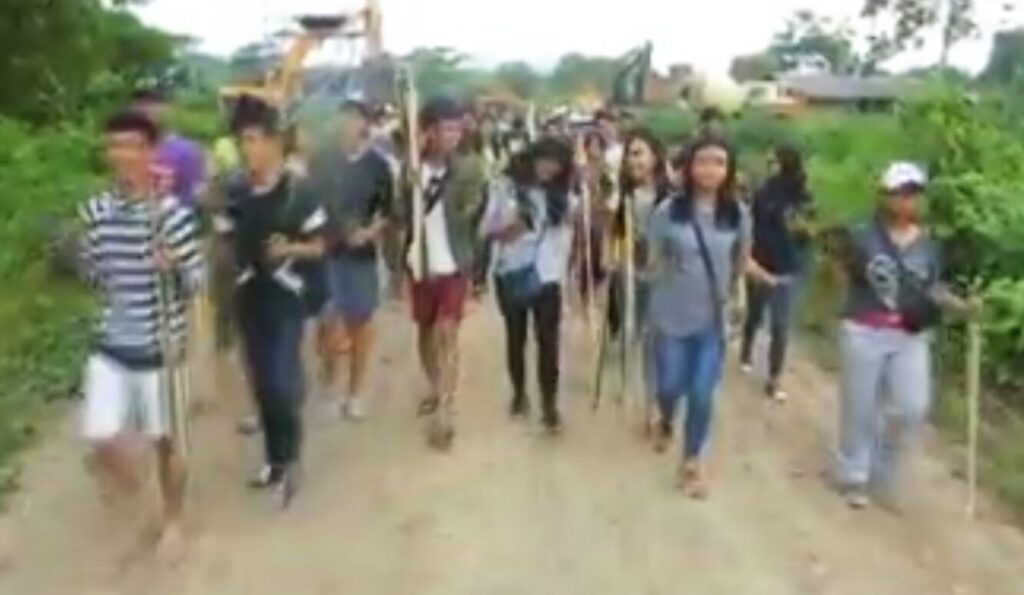
Role of the January–June 2019 Stage
This first reporting period was the launch stage of the project. The main focus was to understand the situation of coconut farmers, identify possible demonstration farms, form neighborhood tree-planting groups, and begin initial planting activities.
Because the project area had been severely affected by Typhoon Haiyan, many farmers needed both environmental recovery and livelihood support. The early stage therefore combined surveys, training preparation, seedling distribution, and practical field activities.
Main Results
During this period, the project created a strong foundation for later expansion. Farmer surveys and demonstration farm development helped connect project planning with actual field conditions.
Starting the Project in Tanauan
The project began in and around Tanauan, Leyte, where coconut farmers and rural communities were still facing the long-term effects of Typhoon Haiyan. Damaged coconut trees and weakened farmland created serious challenges for household income and environmental recovery.
At the beginning of the project, it was important to enter the community carefully, explain the purpose of the activities, and understand which farmers were ready to participate in agroforestry conversion.
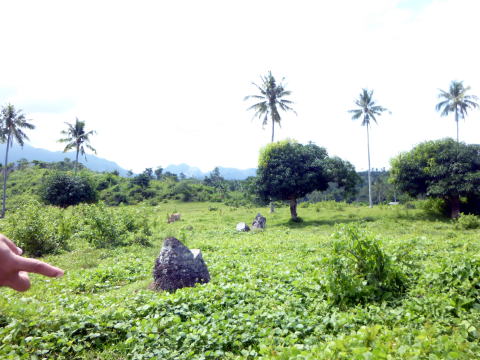
Survey of 150 Coconut Farmers
The project surveyed 150 coconut farmers to understand their socioeconomic conditions, typhoon damage, field conditions, and interest in agroforestry. This survey helped shape the design of the project and identify practical forms of support.
Surveying farmers was not only a data collection activity. It also helped build trust and clarify what farmers needed most: new planting materials, practical farming knowledge, livelihood diversification, and community-based support.
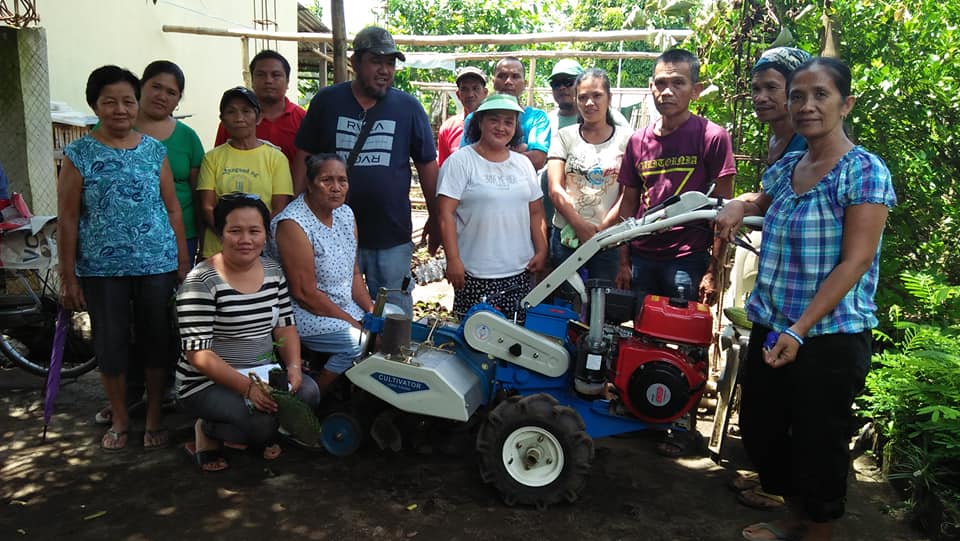
Formation of Neighborhood Tree-Planting Groups
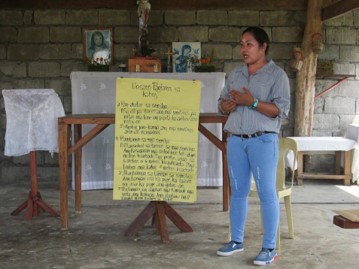
To make planting activities more community-based, the project supported the formation of neighborhood tree-planting groups. These local groups helped farmers work together and share responsibility for planting and maintaining seedlings.
Agroforestry requires long-term care. By organizing farmers into local groups, the project aimed to make the activities more sustainable and easier to continue within the community.
Community Cooperation
Neighborhood groups encouraged farmers to work together rather than act individually.
Shared Learning
Farmers could exchange practical knowledge about planting, seedling care, and field management.
Long-Term Maintenance
Group-based activities helped support the continued care of seedlings and demonstration farms.
35 Initial Demonstration Farms
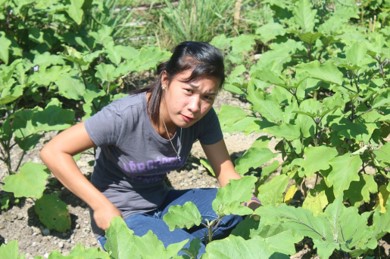
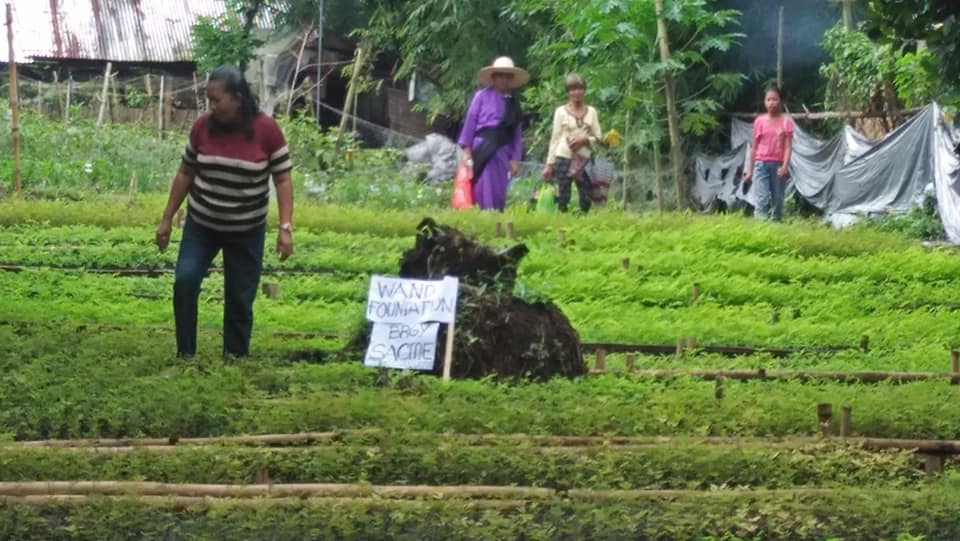
During the first stage, 35 demonstration farms were established. These farms were designed as practical learning sites where farmers could see agroforestry methods being applied in real fields.
Demonstration farms are especially important because farmers can learn more easily from concrete examples. They also create opportunities for farmer-to-farmer learning as neighbors observe, ask questions, and adapt ideas to their own land.
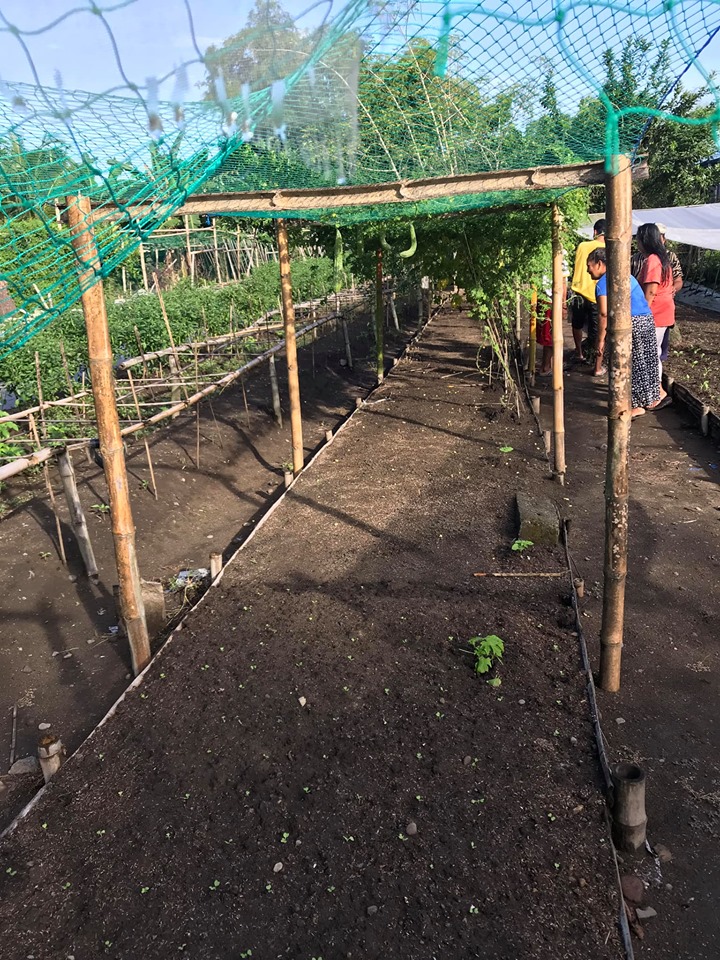
Initial Planting of 16,000 Trees, Fruits, and Vegetables
In the first stage, 16,000 trees, fruits, and vegetables were planted. This initial planting helped farmers begin rebuilding damaged land and diversifying their farms.
The combination of trees, fruits, and vegetables was important because different crops support farmers in different ways. Trees contribute to long-term environmental restoration, fruit crops can become future income sources, and vegetables can support short-term food security.
From Coconut Dependence to Diversified Farming
Many farmers in the project area depended heavily on coconut farming. When coconut trees are damaged, farmers may lose income for years. Agroforestry helps reduce this risk by combining coconut with other trees, crops, fruits, and vegetables.
The first six months of the project helped farmers begin thinking about diversified farming systems. This was an important step toward climate change adaptation and disaster resilience.
Technical Support and Field Monitoring
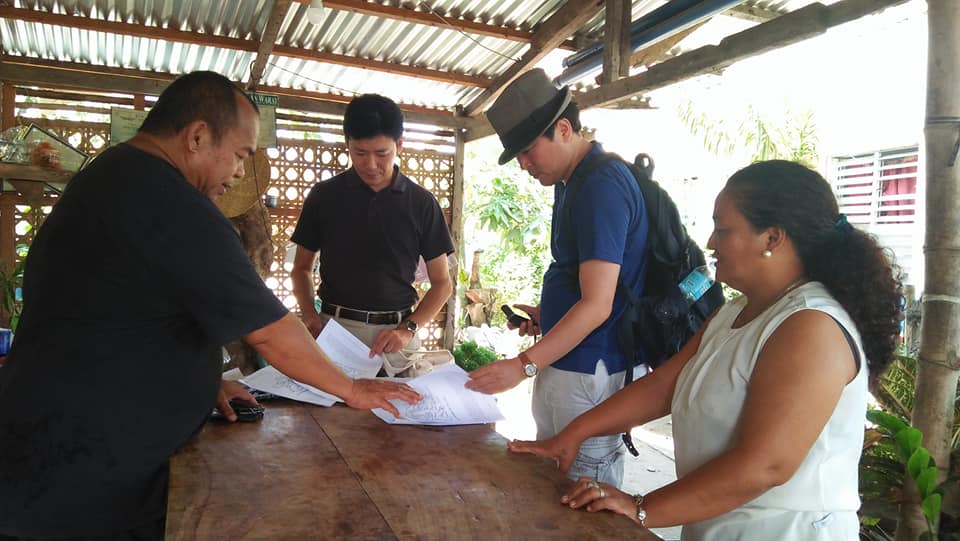
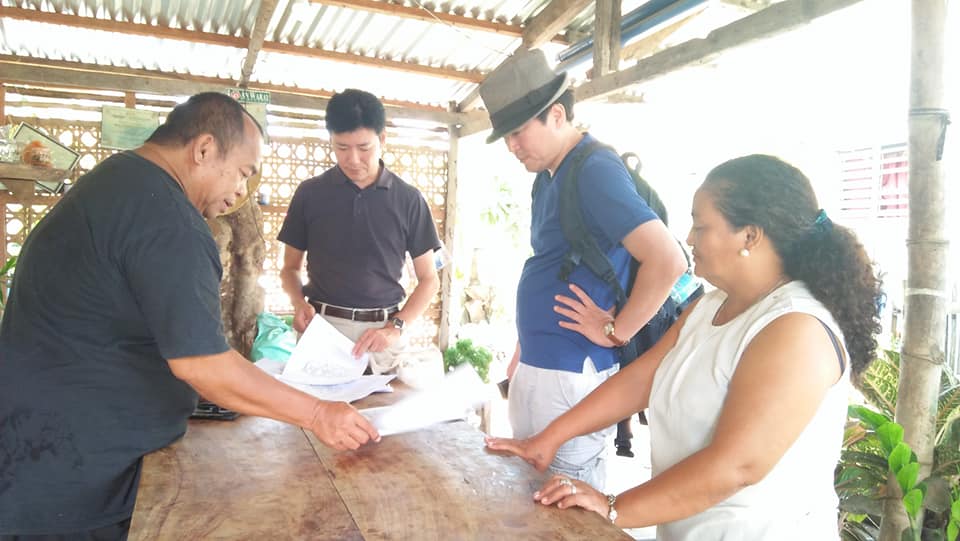
Field monitoring and technical support helped farmers understand how to manage seedlings and demonstration farms. Staff and local partners visited project sites, observed progress, and discussed practical challenges with farmers.
This support was important because planting is only the beginning. Farmers need guidance on seedling care, field layout, crop combinations, and long-term management.
January–June 2019 Activity Flow
The first six months followed a practical process: understanding farmers, forming groups, establishing demonstration farms, and beginning planting activities.
Survey Farmers
The project surveyed 150 coconut farmers to understand local conditions and project needs.
Form Local Groups
Neighborhood tree-planting groups were formed to support community-based planting activities.
Establish Demonstration Farms
35 demonstration farms were created as practical field learning sites for local farmers.
Begin Initial Planting
16,000 trees, fruits, and vegetables were planted to support environmental recovery and livelihood diversification.
Summary of the First Stage
From January to June 2019, the project successfully moved from planning into field-level activities. The survey of 150 farmers, the formation of neighborhood tree-planting groups, 35 demonstration farms, and 16,000 initial plantings created the foundation for the rest of the project.
The next stage, from July to December 2019, would expand planting activities, establish additional demonstration farms, strengthen local organizations, and provide climate change seminars and leadership development activities.
Report Pages by Period
The Toyota Environmental Activities Grant project is organized into period-based report pages so readers can follow the development of the project from launch to expansion, organization strengthening, COVID-19 response, and final evaluation.
Toyota Project Top
The parent page summarizes the full background, activities, results, and significance of the project.
Planting Expansion and Community Organization
24,500 additional plantings, 65 additional demonstration farms, organization management training, and climate change seminars.
Organization Strengthening and Marketing Preparation
Strengthening local organizations, preparing for agricultural product marketing, and continuing technical support.
COVID-19 Response and Final Evaluation
Learning materials, remote support, 17,000 distributed and planted fruits, vegetables, and mushrooms, and final evaluation.
Next Report
The next report introduces the July to December 2019 stage, including planting expansion, additional demonstration farms, community organization training, climate change seminars, and leadership development.