Archive of International Cooperation and School Education Activities in Africa
This page records international cooperation, agricultural support, children’s food education exchange, and school-based global education activities in Kenya, Uganda, and Tanzania that HHHJapan representative Naoteru Honda was involved in through the international cooperation NGO Japan Africa Trust (JAT).
These activities connected field-based work in Africa with schools and local communities in Japan, helping children feel the wider world more closely and think about what they could do for international cooperation.
How JAT-Related Activities Connect to HHHJapan
HHHJapan connects foreign residents in Japan, Japanese people connected with the wider world, and local communities through Japanese language education, multicultural coexistence, international exchange, and environmental activities.
Although the Africa-related activities carried out through JAT were separate from HHHJapan as an organization, they are deeply connected to HHHJapan’s current philosophy of connecting people and society through language, culture, and education.
This page organizes and introduces these past activities not simply as old records, but as experiences that form part of the background of HHHJapan’s current international cooperation and multicultural coexistence activities.
Main Themes Covered in These Activities
Greenhouse agriculture, tomato cultivation, agricultural training, and micro-empowerment in Malava, Kakamega County, western Kenya.
Soybean planting, harvesting, art exchange, tofu-making, and Skype exchange held in Japan and Kenya.
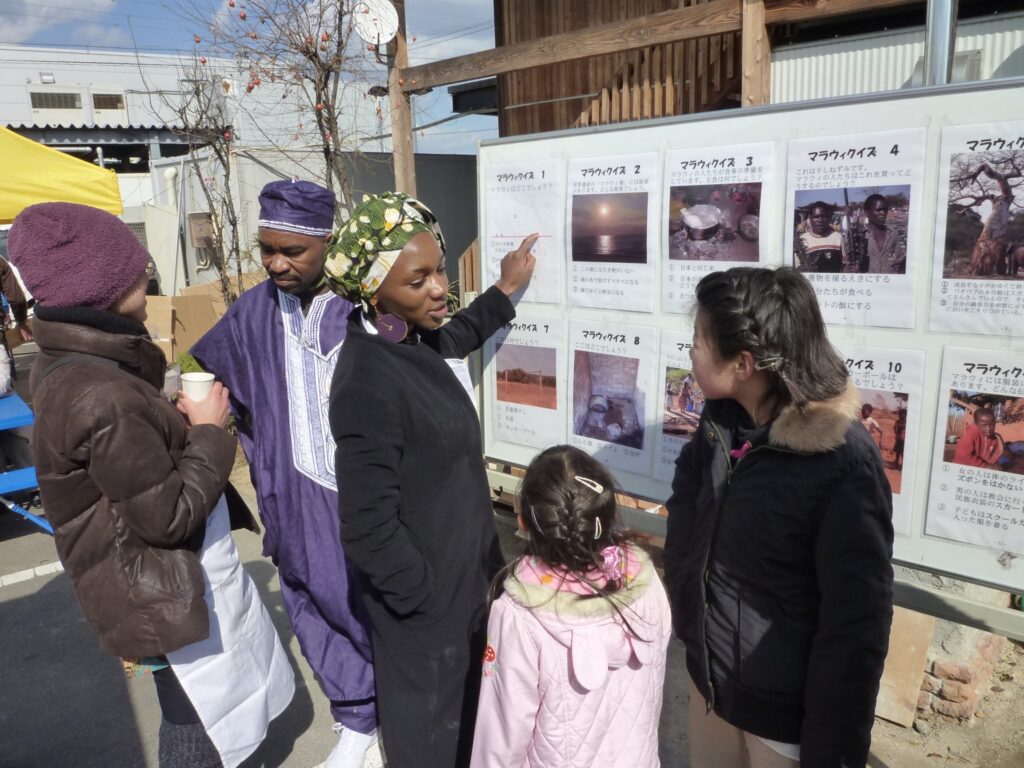
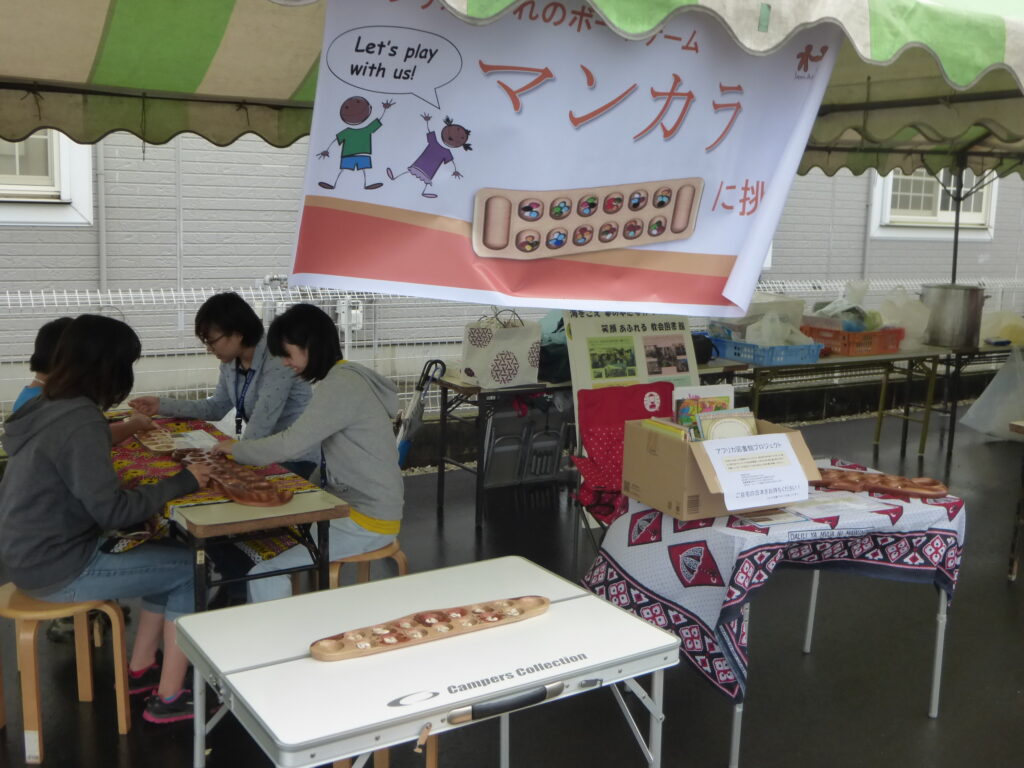
African cultural introductions, guest lectures by international speakers, mancala exchange, and Tanzania library support at schools in Aichi.
Records connected to recognition by the Ministry of Foreign Affairs of Japan, JICA-related achievements, and inclusion in a Mitsumura Tosho moral education textbook.

Public Recognition and Published Records
These JAT-related activities were recorded not only as local voluntary events, but also through public institutions, school education, and educational materials.
Recognized as a 60th Anniversary of Japan’s International Cooperation Project
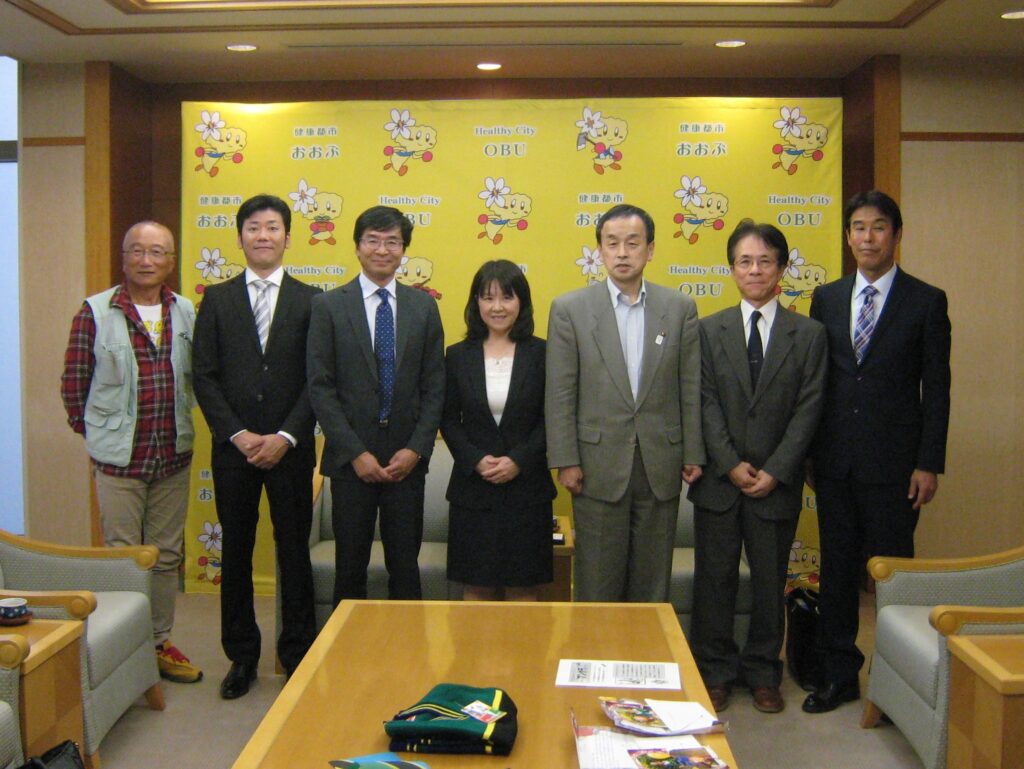
“Japan-Kenya Simultaneous Children’s International Exchange and Food Education through Soybeans” was recognized by Japan’s Ministry of Foreign Affairs as part of the 60th Anniversary of Japan’s International Cooperation.
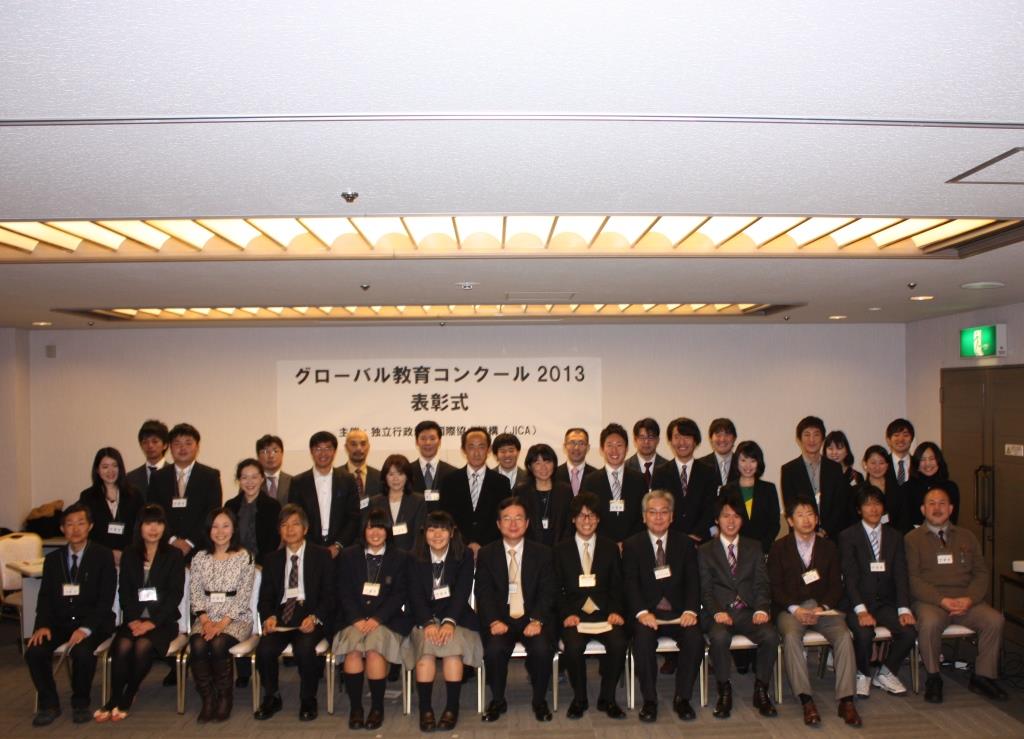
JICA Global Education Contest Award
The activities were recognized in the field of global education as a practical initiative combining children’s food education, agricultural experience, and global learning.
Featured in a Grade 5 Moral Education Textbook by Mitsumura Tosho
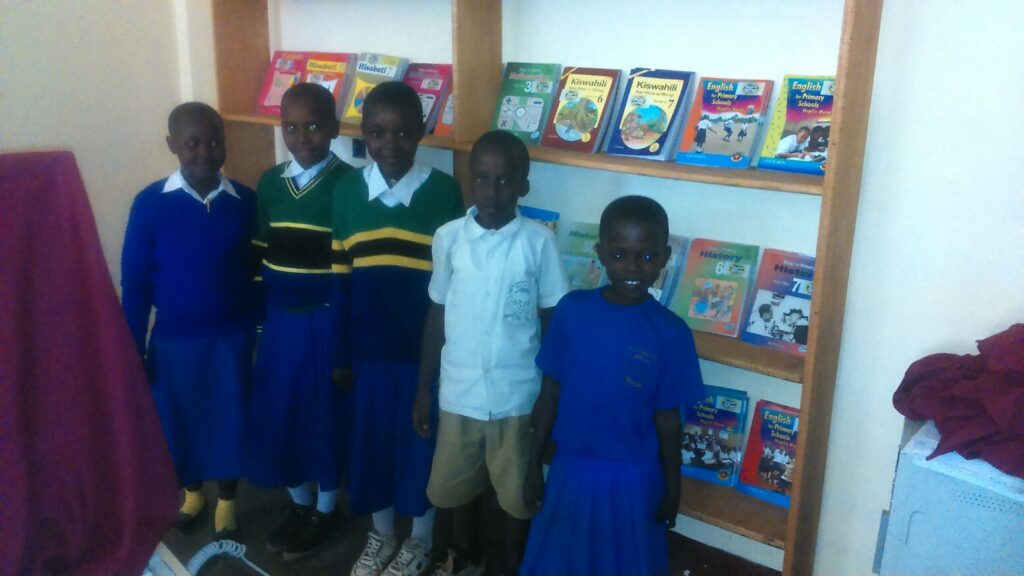
The Tanzania library project by Kyocho Elementary School was featured for several years as “International Cooperation: What We Can Do.”
Yumeya Fund, Nagoya City, and Aichi-Related Grants
Food education, international exchange, and school-based global education activities were implemented and reported as grant-supported projects.
Three Detailed Projects
On the HHHJapan website, the JAT-related Africa activities are organized into three main themes.
Kenya Agricultural Support and Environmental Conservation Project
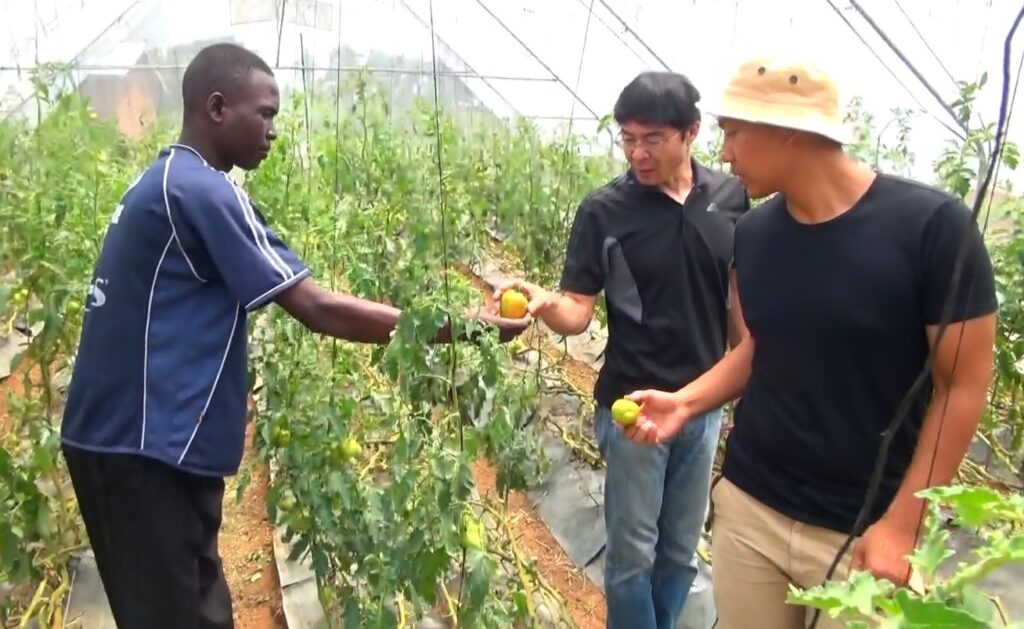
In Malava, Kakamega County, western Kenya, JAT worked with local partner UMN on activities combining greenhouse agriculture, tomato cultivation, agricultural training, tree planting, and environmental conservation.
- Green Empowerment Project
- Share Green Project
- Greenhouse agriculture and tomato cultivation
- Japanese internship in Kenya
Japan-Africa Children’s Food Education and International Exchange Project
Children in Japan and Kenya learned food education and international exchange through soybean planting, edamame harvesting, soybean harvesting, and tofu-making.
- Daizu Kids Africa
- Simultaneous activities in Japan and Kenya
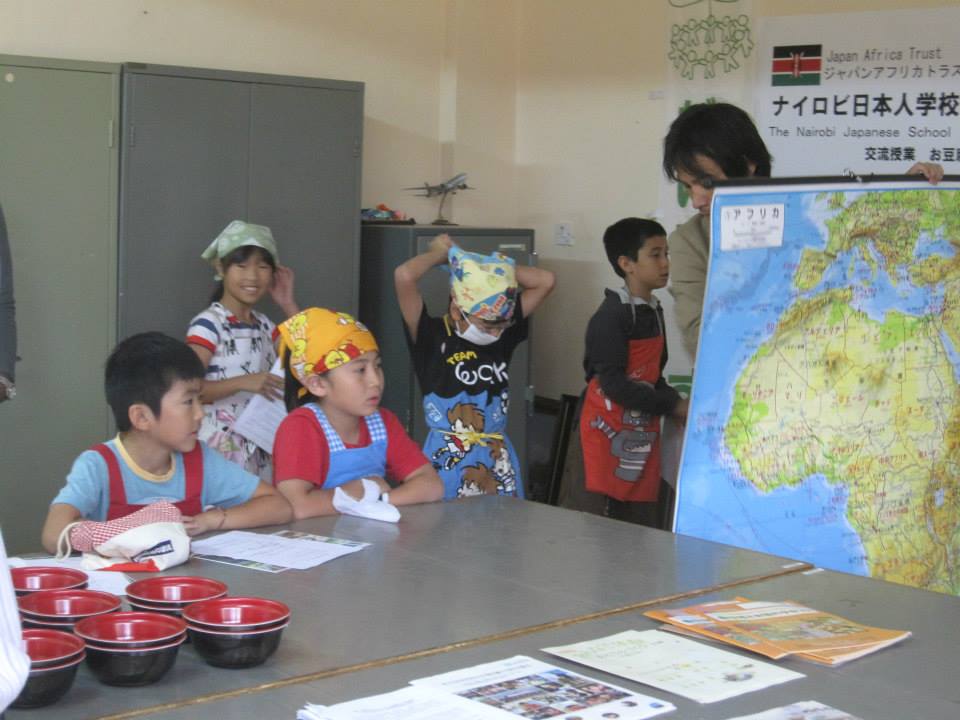
- Exchange with Nairobi Japanese School
- Uganda T-shirt Project
School Global Education and Tanzania Library Project
This project included African global education at schools in Aichi, mancala cultural exchange, Kyocho Elementary School’s support for a library in Tanzania, and activities later connected to a Mitsumura Tosho moral education textbook.
- Global education at 15+ elementary, junior high, high schools, and universities
- Guest lectures by international speakers at junior high schools in Nagoya
- Support for Uswaa Village Library in Tanzania
- Featured in a Mitsumura Tosho moral education textbook
East African Countries and Schools in Japan
The activities expanded from Kenya to Uganda, Tanzania, and schools and local communities in Aichi, Japan.
Kenya | Agricultural Support, Food Education Exchange, and School Visits
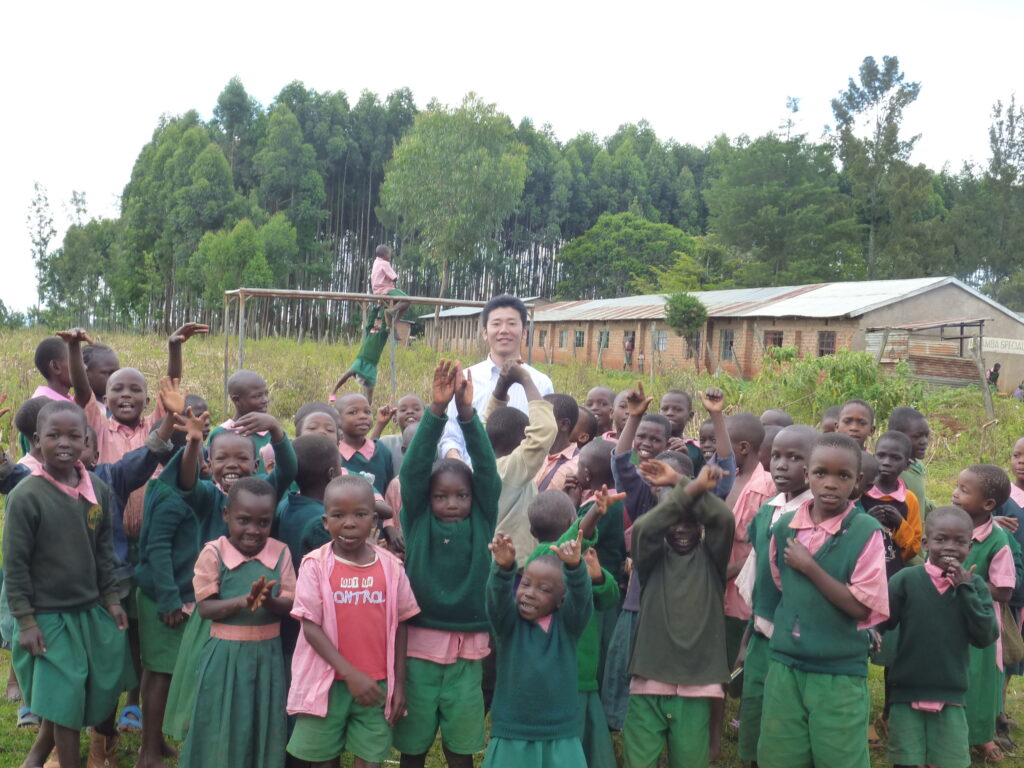
Activities included greenhouse agriculture support around Malava, Kakamega County, children’s food education exchange using the JAT farm, and global education at Muwamba Primary School.
Uganda | T-shirt Project and School Exchange
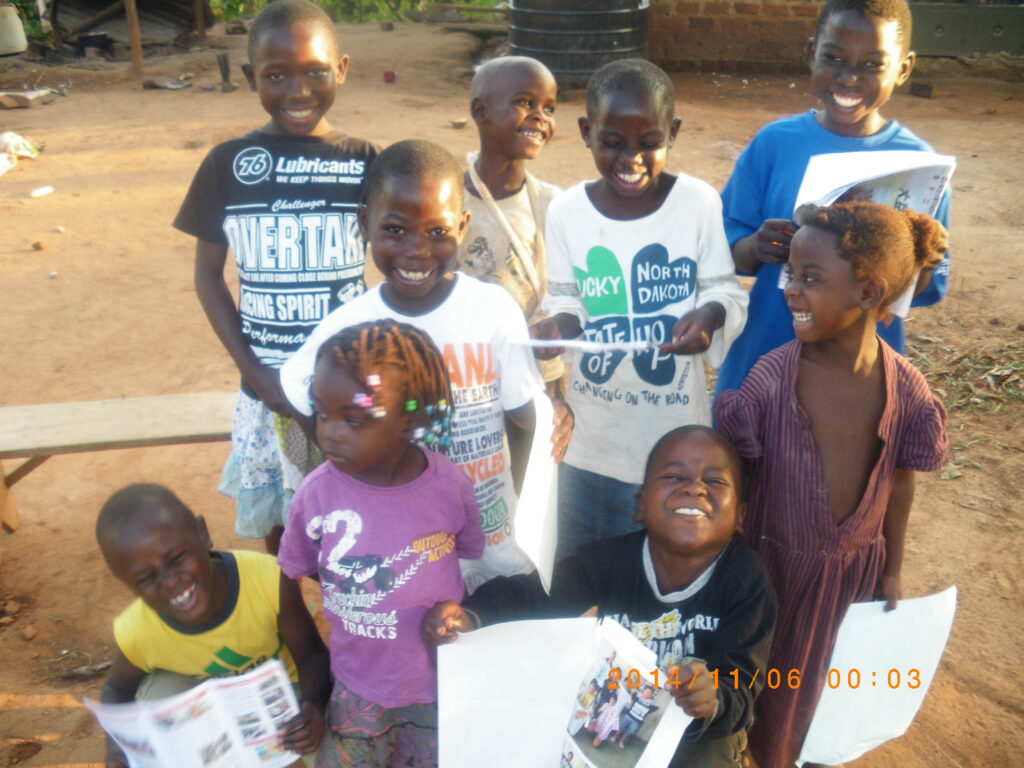
Japanese children sent T-shirts and messages to children in Africa, practicing child-led international cooperation through action.
Tanzania | Support for Uswaa Village Library
Students at Kyocho Elementary School collected used books, sold them at a local event, and used the proceeds to support a library in Tanzania. Messages of thanks were received from the local community.
Japan | Schools and Local Community Activities in Aichi
Activities included African cultural introductions, guest lectures by international speakers, mancala exchange, and food education activities at junior high schools in Nagoya, Kyocho Elementary School, Takatori Elementary School, and local events.
JAT-Related Activities in Photos
This parent page presents selected representative photos that show the overall scope of the activities.
Activity Timeline
This timeline organizes the major flow of JAT-related activities for the website.
Establishment of JAT and Start of Local Partnerships in Kenya
JAT began activities as an international cooperation NGO connecting Japan and Africa, and developed partnerships with local organizations such as UMN in Malava, Kakamega County, Kenya.
Greenhouse Agricultural Support in Kenya
Through the Green Empowerment Project / Share Green Project, JAT worked on activities combining greenhouse agriculture, tomato cultivation, agricultural training, and environmental conservation.
Daizu Kids Africa and Simultaneous Japan-Kenya Food Education Exchange
Children in Japan and Kenya learned food education and international exchange through soybean planting, edamame harvesting, soybean harvesting, tofu-making, and art exchange.
School Global Education and the Tanzania Library Project
Global education activities were held at schools in Aichi, leading to Kyocho Elementary School’s student-led support for a library in Tanzania and messages of thanks from the local community.
Featured in a Grade 5 Moral Education Textbook by Mitsumura Tosho
The Tanzania library project by Kyocho Elementary School was featured as “International Cooperation: What We Can Do,” recording the activity as an educational material.
Three Values Connected to HHHJapan Today
These activities also connect to the foundations of multicultural coexistence, education, and international cooperation that HHHJapan values today.
Learning Multicultural Coexistence through Practice
Through exchange with international speakers and people from Africa, children gained experience understanding and respecting different cultures and values.
Connecting Education to Action
Children did not only learn about global issues at school; they also acted through used-book sales, donations, T-shirt exchange, and other hands-on activities.
Connecting Local Communities and the World
The activities connected schools and local communities in Aichi with field activities in Kenya, Uganda, and Tanzania, creating international exchange that began locally and reached globally.
Related Pages
From this parent page, you can access detailed pages on JAT-related activities, HHHJapan’s project list, and past event galleries.
Connecting Communities and the World through Language, Education, and International Exchange.
HHHJapan draws on its experience in international cooperation, multicultural coexistence, and education to build a more open society through Japanese language education, support for foreign residents, international exchange, and environmental activities.
Contact Us