Learning Directly from Speakers Around the World
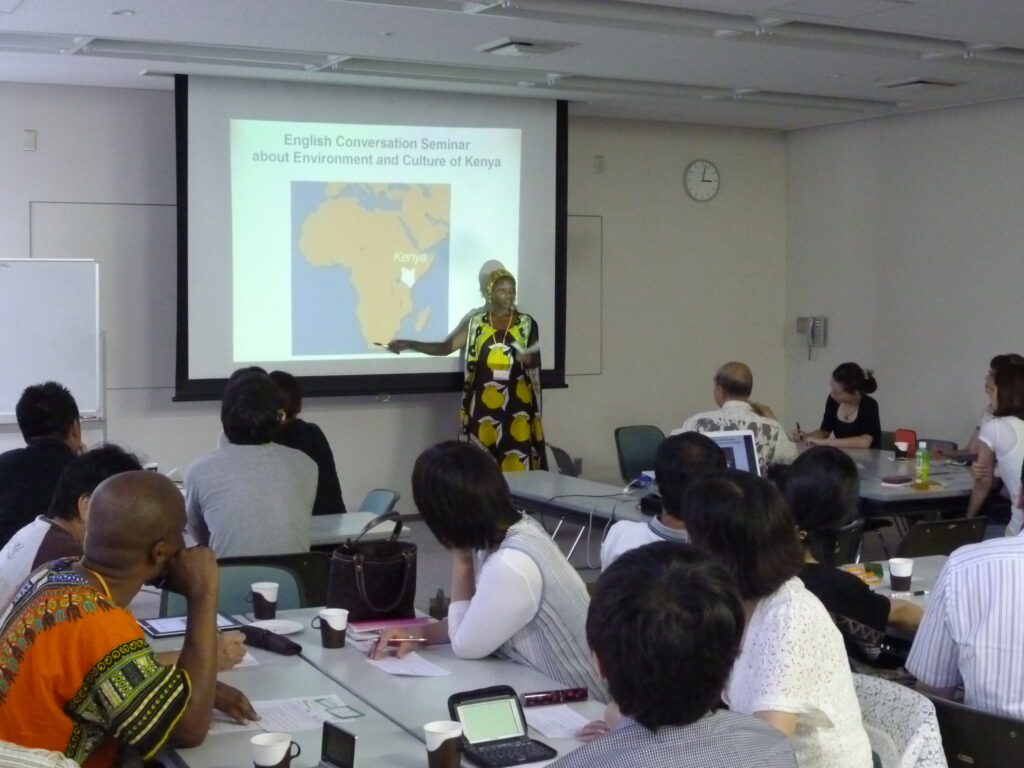
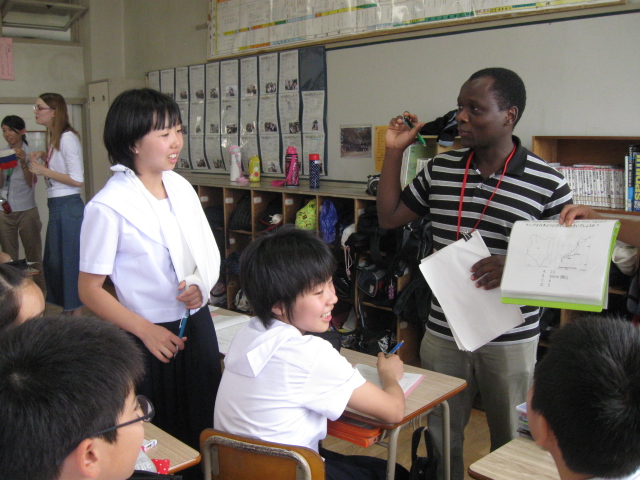
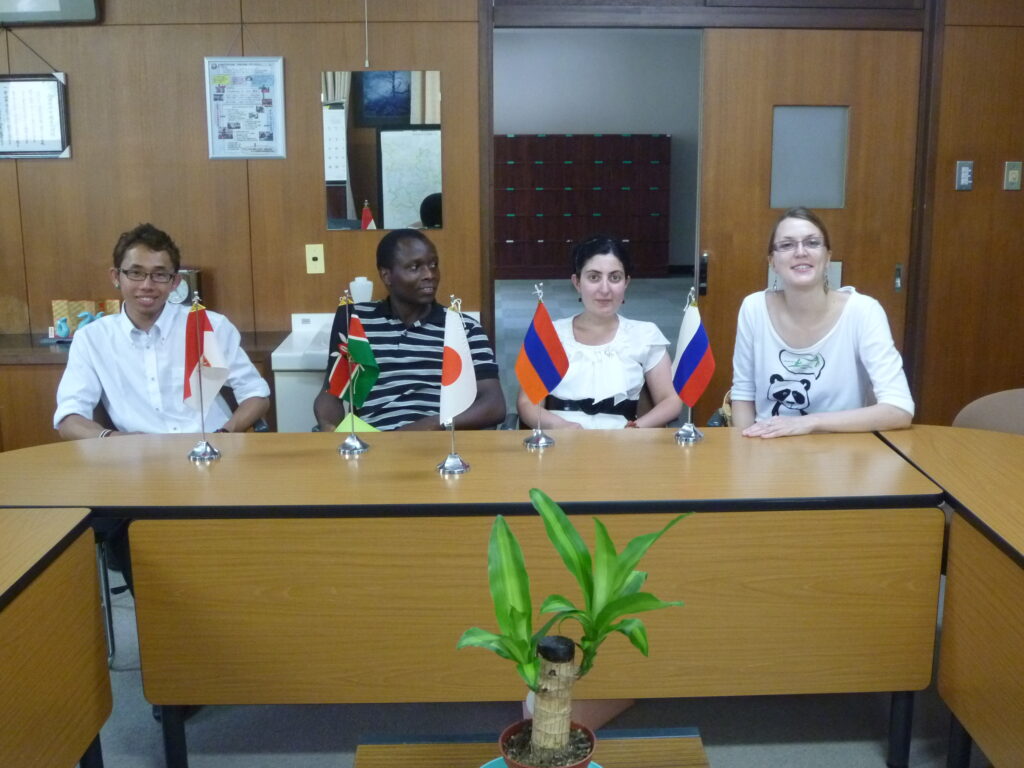
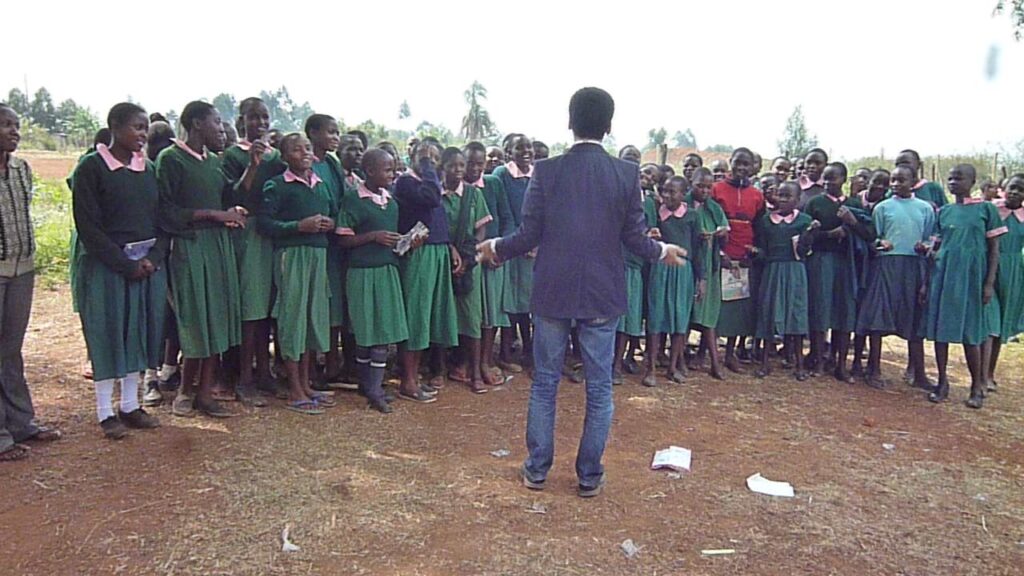
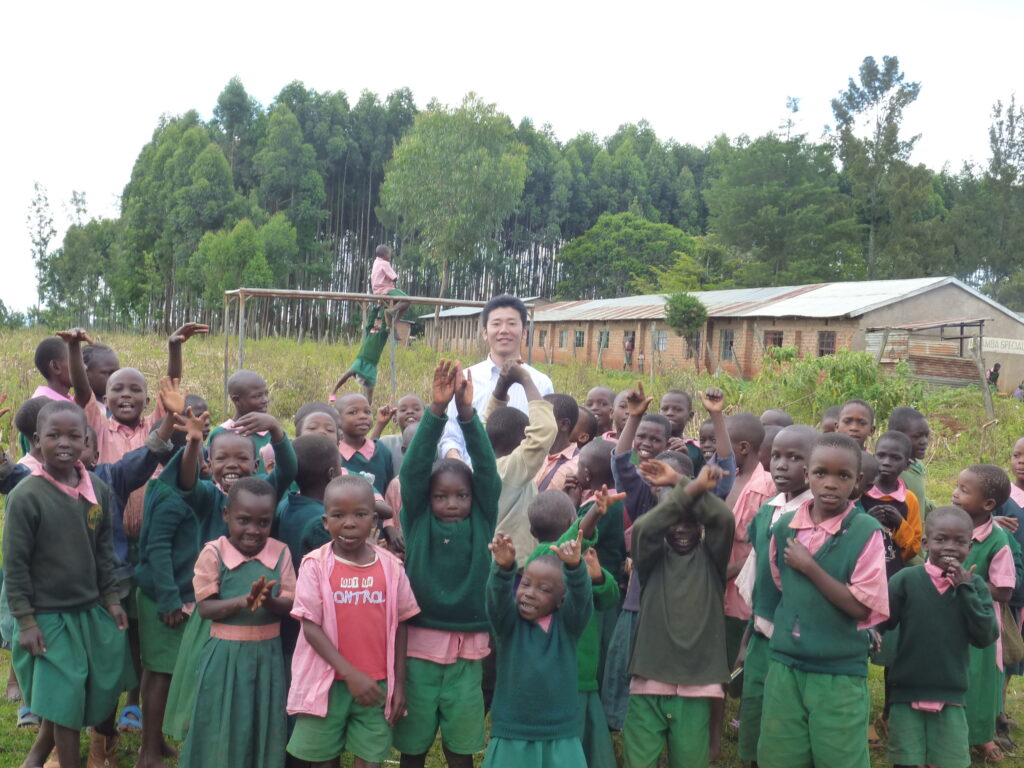
International students and speakers from diverse backgrounds, including Kenya, France, Armenia, the Philippines, and China, introduced their cultures and daily lives to children.

This page introduces JAT-related activities including African global education programs held at schools in Aichi, participatory lessons for junior high school students led by international intern speakers, African cultural exchange through mancala, and Kyocho Elementary School’s support for a library in Tanzania.
These activities helped children not only learn about the world, but also think about what they could do for international cooperation and turn that learning into action.
This page introduces global education activities held at schools in Aichi, participatory lessons by international speakers and student speakers, African cultural exchange through mancala, and Tanzania library support that grew from Kyocho Elementary School.
A key feature was that children did not only learn about world cultures and daily life at school; they also thought about what actions they could take and connected their learning to used-book sales and support activities.
These practices are recorded as educational activities connected to the Grade 5 moral education textbook by Mitsumura Tosho, “International Cooperation: What We Can Do.”
Through dialogue with international speakers, teaching material sets, and presentation activities, the program aimed to help children feel the wider world more closely.
International students and speakers from diverse backgrounds, including Kenya, France, Armenia, the Philippines, and China, introduced their cultures and daily lives to children.
Materials included DVDs, country information sheets, country-based understanding quizzes, photo galleries, and mini certificates designed for easy use in schools.
Children presented what they learned and what they wanted to communicate with international guests through 90-second “intercultural understanding drama,” learning about cultural understanding through experience.
Records include 10 organizers and 135 general participants.
Speakers from diverse backgrounds, including Kenya, Indonesia, and Armenia, participated.
A program was held at Wakamizu Junior High School in June 2013.
Implemented as a Nagoya City international exchange activity grant project.
In the global education programs, international speakers and student speakers visited schools and introduced their cultures, daily lives, schools, food, and values.
Through questions, quizzes, and group discussions, children encountered real-world perspectives that they could not learn from textbooks alone.
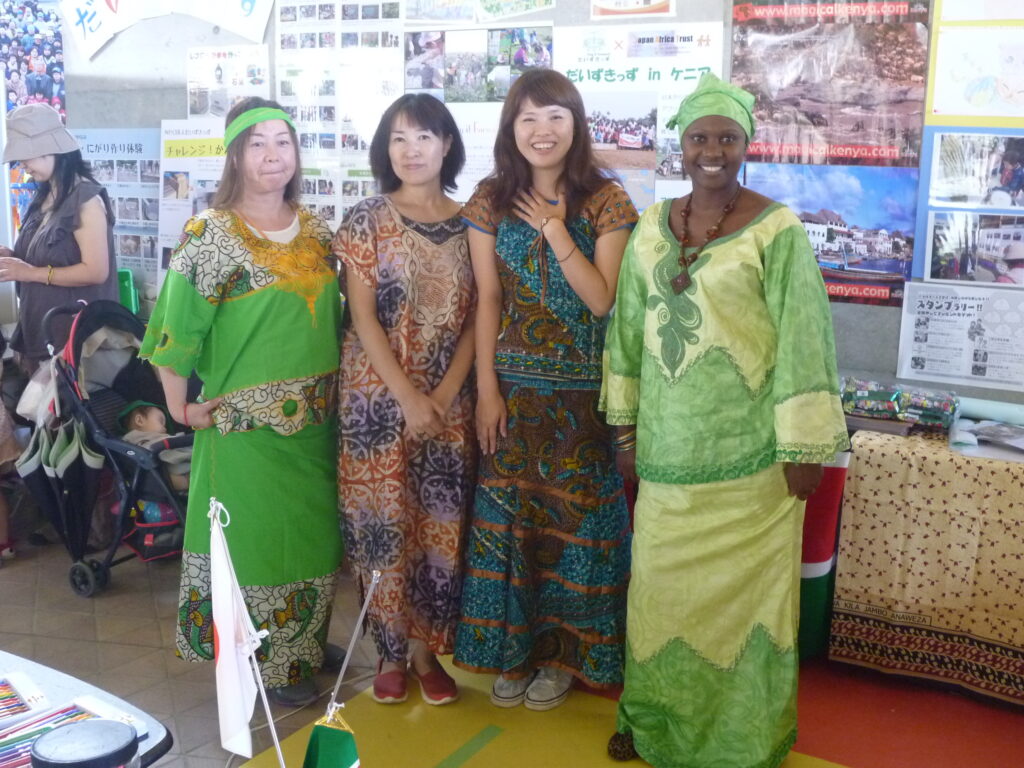
Speakers from Africa and other international backgrounds visited schools and introduced African cultures and daily life to children. These exchanges helped children begin to think of distant countries as part of a world connected to their own lives.
Later, these learning experiences led to children’s own actions, including used-book sales, T-shirt exchange, and support for a library in Tanzania.
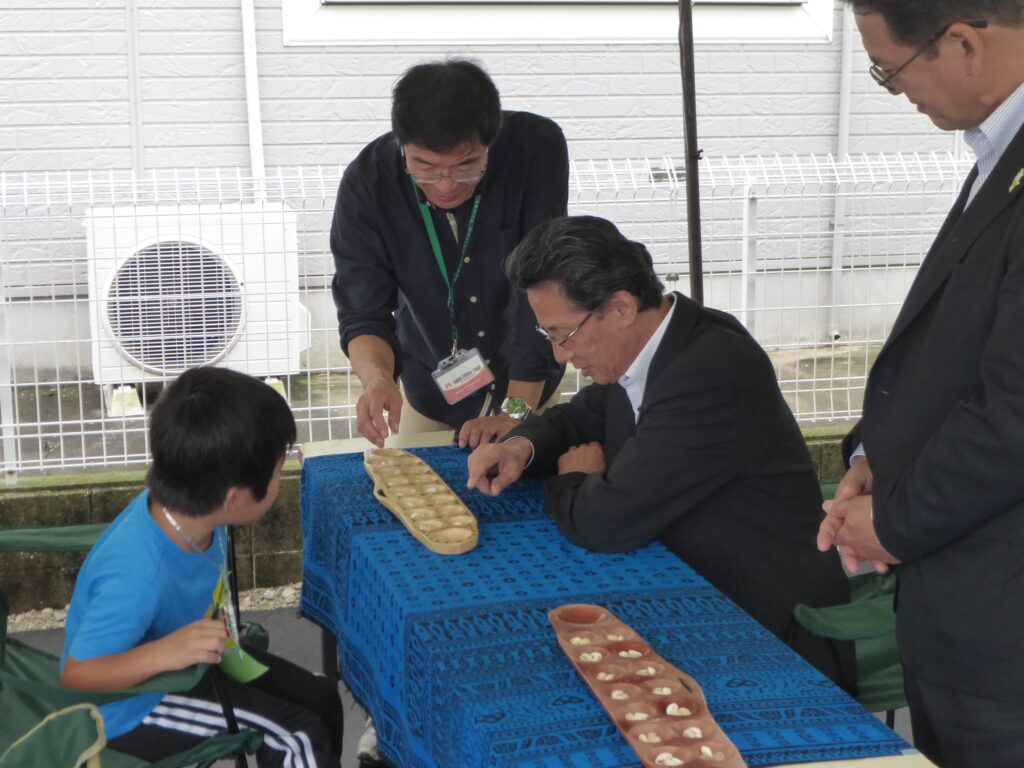
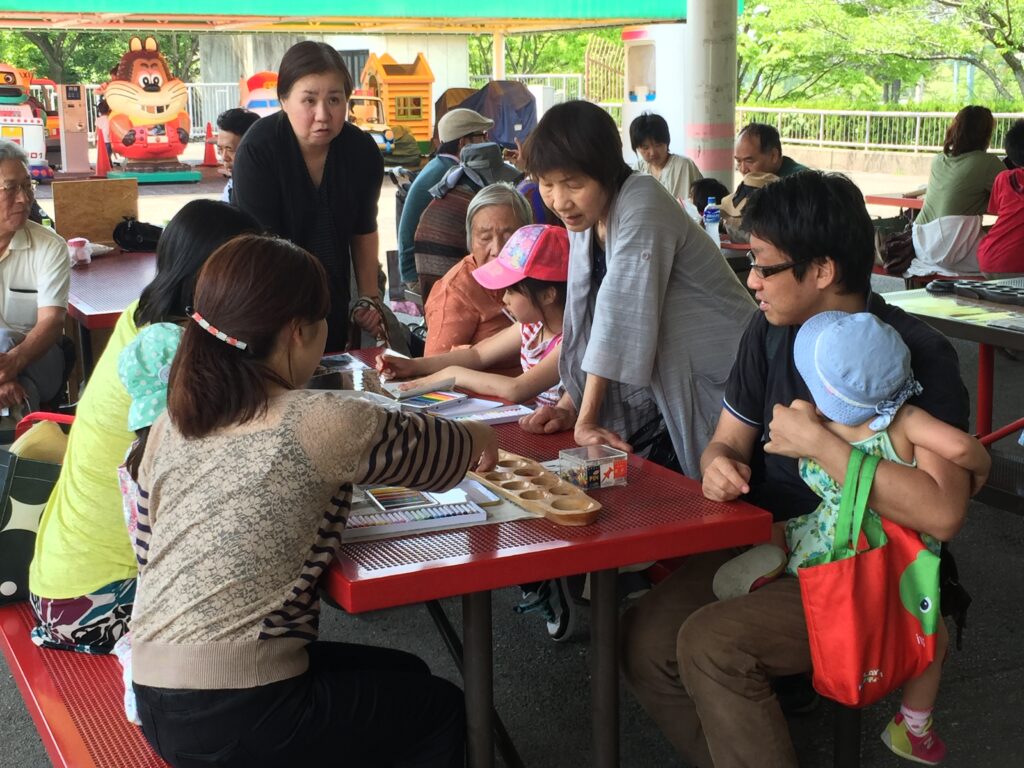
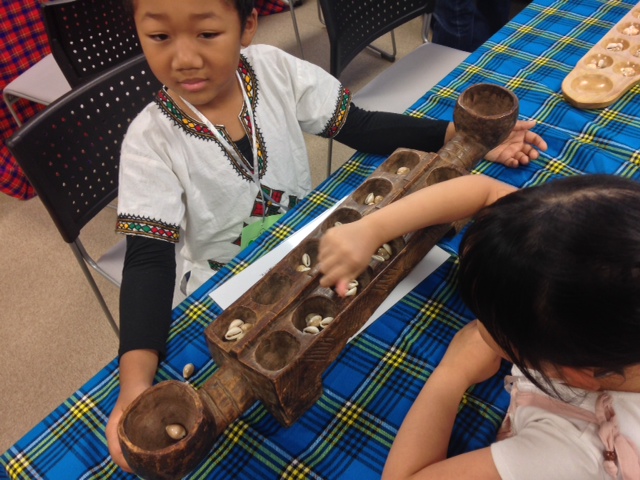
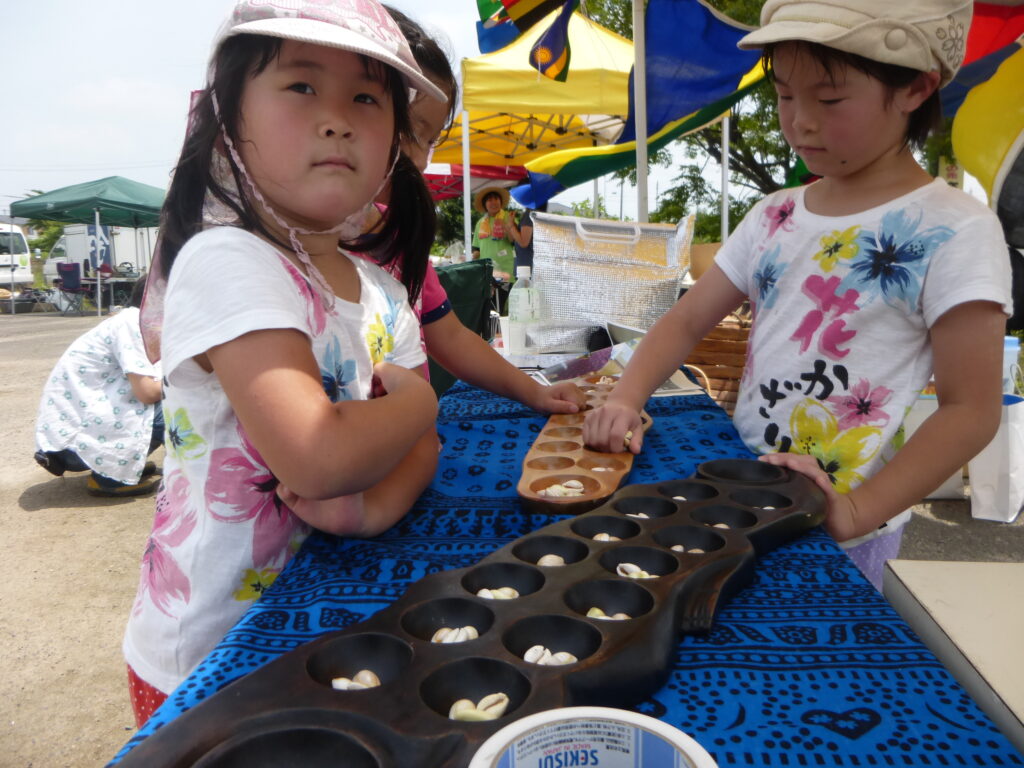
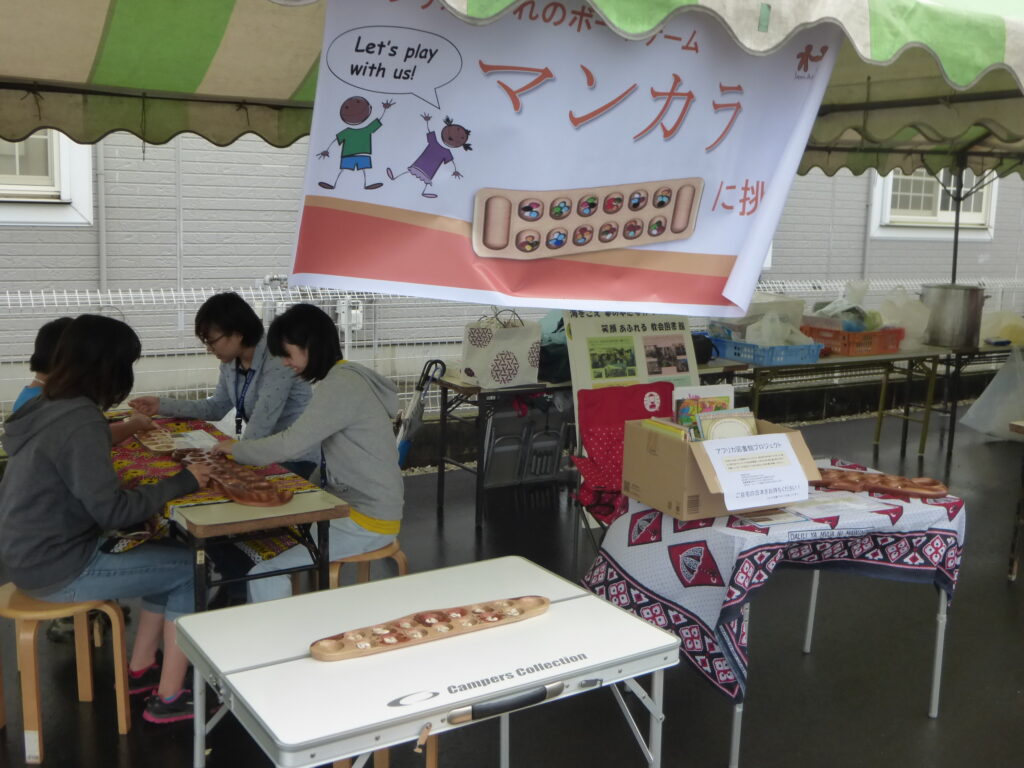
Through mancala, a game that can be enjoyed without relying on language, the project created spaces for cultural exchange where both children and adults could participate.
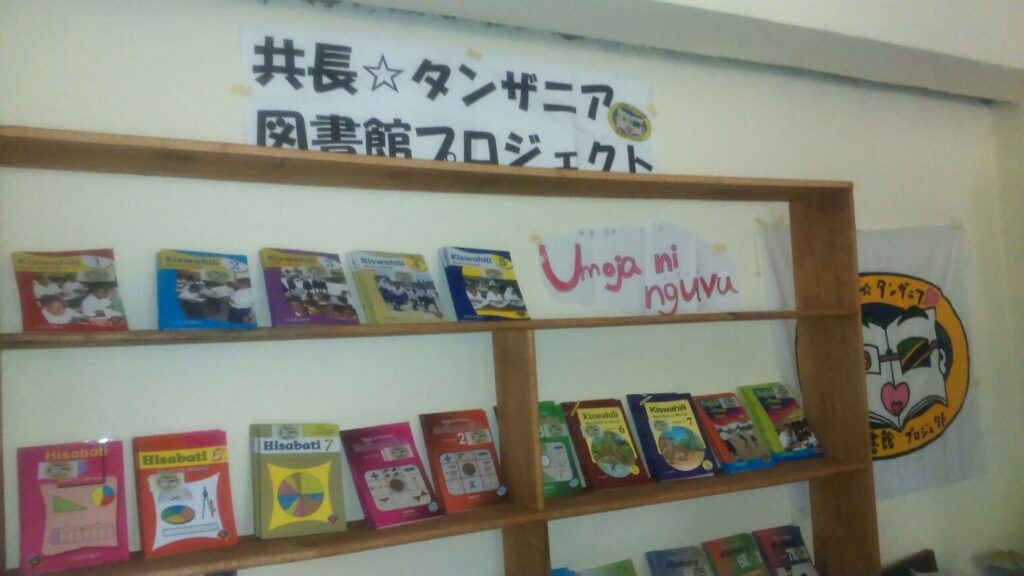
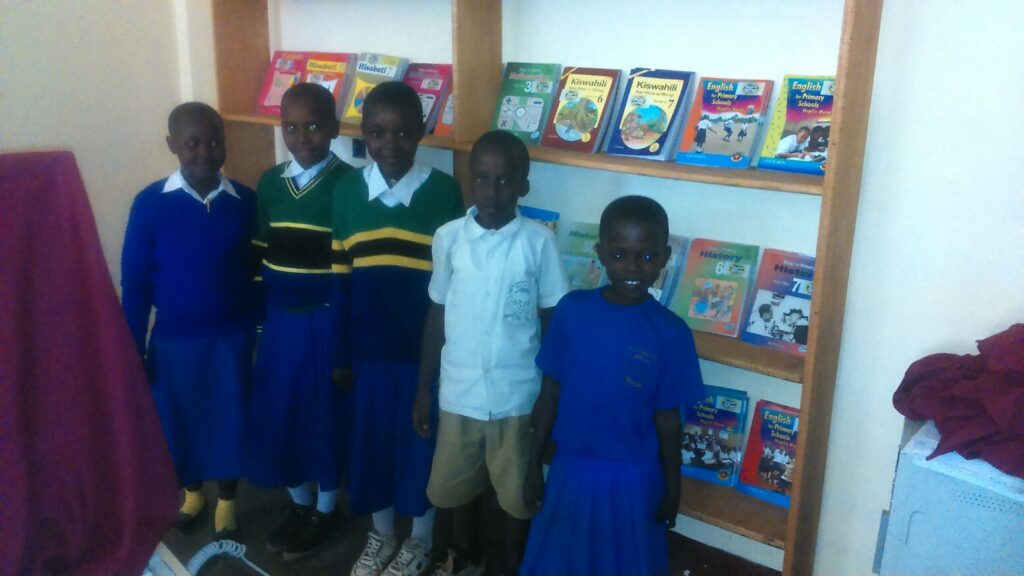
Students at Kyocho Elementary School learned about the educational environment of children in Tanzania and took action as “international cooperation we can do” by collecting used books and selling them at a local festival.
The proceeds were used to support a library in Uswaa Village, Tanzania. Messages of thanks and records of exchange were received from the local community, showing that the children’s actions supported learning across borders.
This was not simply a donation activity. It was an important practice in which international understanding learned at school was turned into children’s own action.
At Kyocho Elementary School, students gave activity reports, presented support funds, and heard messages from Tanzania. Through this, they learned that their actions could support the learning environment of children overseas.
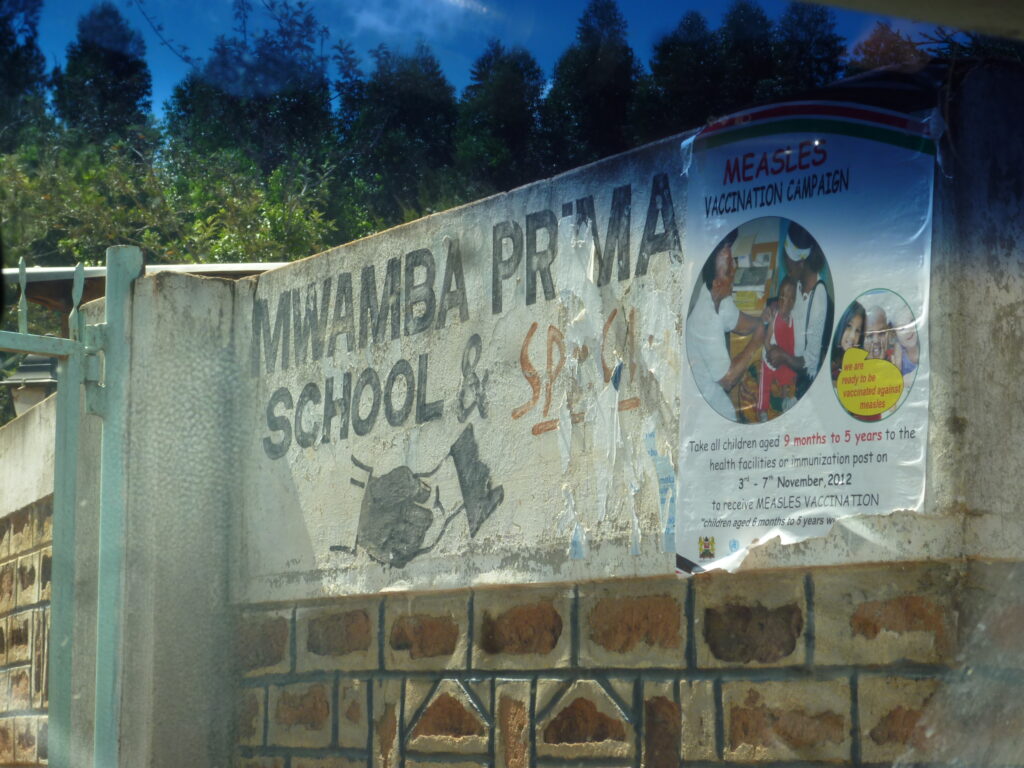
In Uswaa Village in the Kilimanjaro region of Tanzania, children faced challenges in accessing books and learning materials. Library support was an educational support activity that aimed to provide local children with books and learning opportunities.
Although many students lived in Uswaa Village, there was a shortage of accessible library spaces and enough textbooks. Supporting the library space and the purchase of books was an important effort to support children’s learning.
The activity in which Kyocho Elementary School students learned about library support in Tanzania, thought about what they could do, collected and sold used books, and delivered support funds was featured in a Grade 5 moral education textbook by Mitsumura Tosho.
The activity was introduced as a practice in which children learned about global issues, acted with support from their local community, and connected their efforts to educational support overseas.
View Materials Related to the Textbook FeaturePlease manage the use of textbook pages and text while confirming copyright and usage conditions.
This activity was not simply an international exchange event. It was recognized as an educational practice that helped children think about “international cooperation we can do” within school education.
It is also a record connected to the values HHHJapan emphasizes: multicultural coexistence, education, international cooperation, and collaboration with local communities.
The major significance of this activity lies in the fact that children learned about the world and became involved in society through actions close to them.
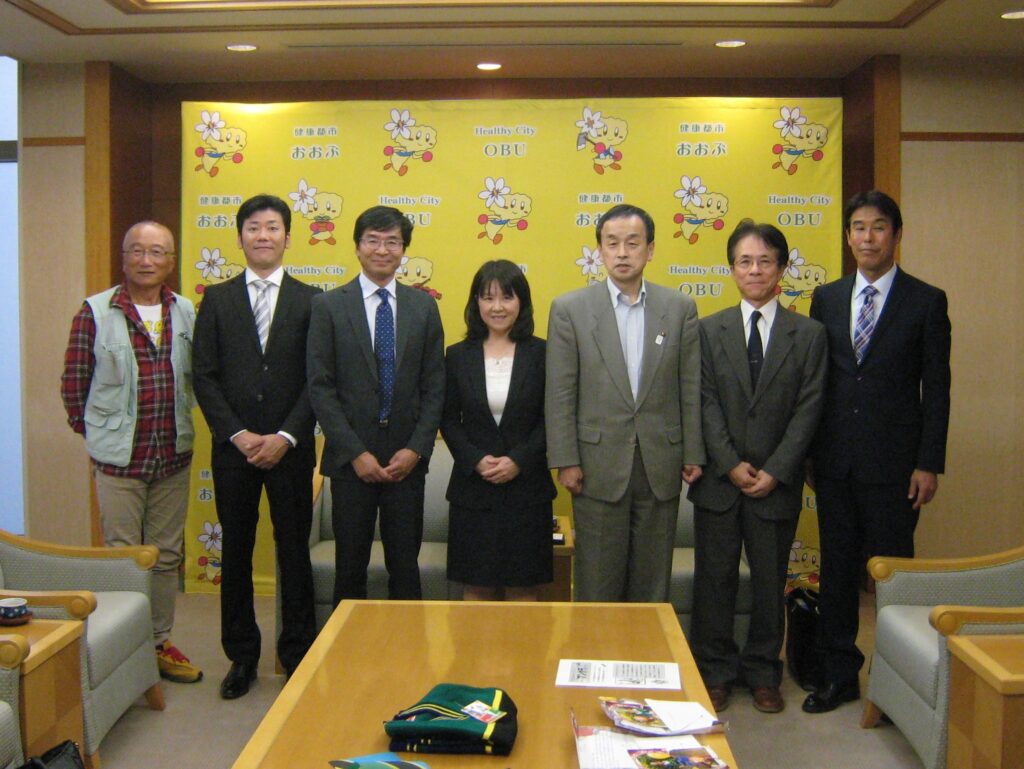
Representative photos of school global education, mancala cultural exchange, and Tanzania library support.
The school global education activities and Tanzania library support were practices that connected learning about the world with children’s own actions. They are also connected to the values HHHJapan emphasizes today: multicultural coexistence, education, international exchange, and collaboration with local communities.
Through exchange with international speakers and people from Africa, children came to feel distant countries as closer and more familiar.
In the Tanzania library support activity, students joined international cooperation through a familiar action: selling used books.
Schools, local events, and children overseas were connected, creating an educational activity that expanded from the local community to the world.
Please also see the overview of JAT-related Africa activities, the Kenya agricultural support page, and the Japan-Africa children’s food education exchange page.
HHHJapan draws on its past experience in international cooperation, multicultural coexistence, and education to build a society where people can learn from one another through Japanese language education, support for foreign residents, international exchange, and environmental activities.
Contact Us