1. Green Empowerment
Through greenhouse agriculture, the project aimed to help local youth and farmers’ groups learn high-value vegetable cultivation techniques and connect them to employment creation and livelihood improvement.

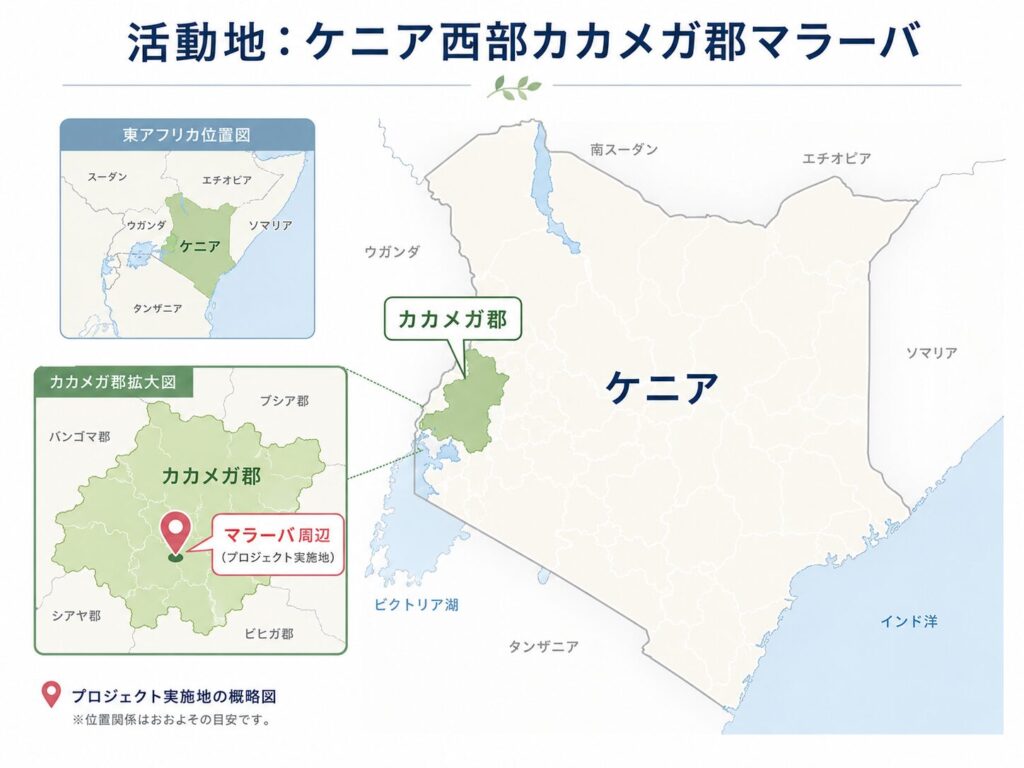
This page records greenhouse agriculture, tomato cultivation, agricultural training, micro-empowerment, tree planting, and environmental conservation activities carried out by JAT in cooperation with the local organization UMN around Malava, Kakamega County, western Kenya.
Rather than providing one-time material support, this project aimed to create a circular model of international cooperation in which local people could learn agricultural skills, generate income, and use that income for future support and environmental conservation.
JAT’s agricultural support activities in Kenya were centered around Malava, Kakamega County, western Kenya, and were carried out in cooperation with the local organization UMN (United Mission for the Needy).
The core of the project included greenhouse-based high-value vegetable cultivation, agricultural training, and the sharing of technical knowledge with local youth, women’s groups, and farmers’ groups.
The project also included the concept of the “Share Green Project,” which aimed to connect agricultural income not only to livelihood improvement, but also to tree planting and environmental conservation.
The project was planned and implemented mainly around Malava in Kakamega County, western Kenya.
Kakamega County, located in western Kenya, is a region where high population density, farmland, employment, food security, and environmental conservation are important local issues.
JAT and UMN planned to develop a demonstration site around Malava as a base for agricultural training, cultivation trials, and support for local groups.
The project aimed to be rooted in the local community through connections with UMN, women’s groups, youth groups, agricultural stakeholders, schools, and government-related people.
The Kenya activities were also connected with agricultural training in Japan and student internships, creating opportunities to learn international cooperation through hands-on practice.
This project aimed not only to deliver agricultural equipment, but also to create a system in which knowledge, income, and environmental conservation could circulate locally.
Through greenhouse agriculture, the project aimed to help local youth and farmers’ groups learn high-value vegetable cultivation techniques and connect them to employment creation and livelihood improvement.
Rather than simply giving greenhouse equipment or agricultural techniques, the project envisioned a pay-it-forward model that combined training, income generation, and reinvestment so that support could spread to the next beneficiaries.
The project was designed to connect agricultural support with forest regeneration and water resource conservation by circulating income from tomatoes and other crops into tree planting and environmental conservation.
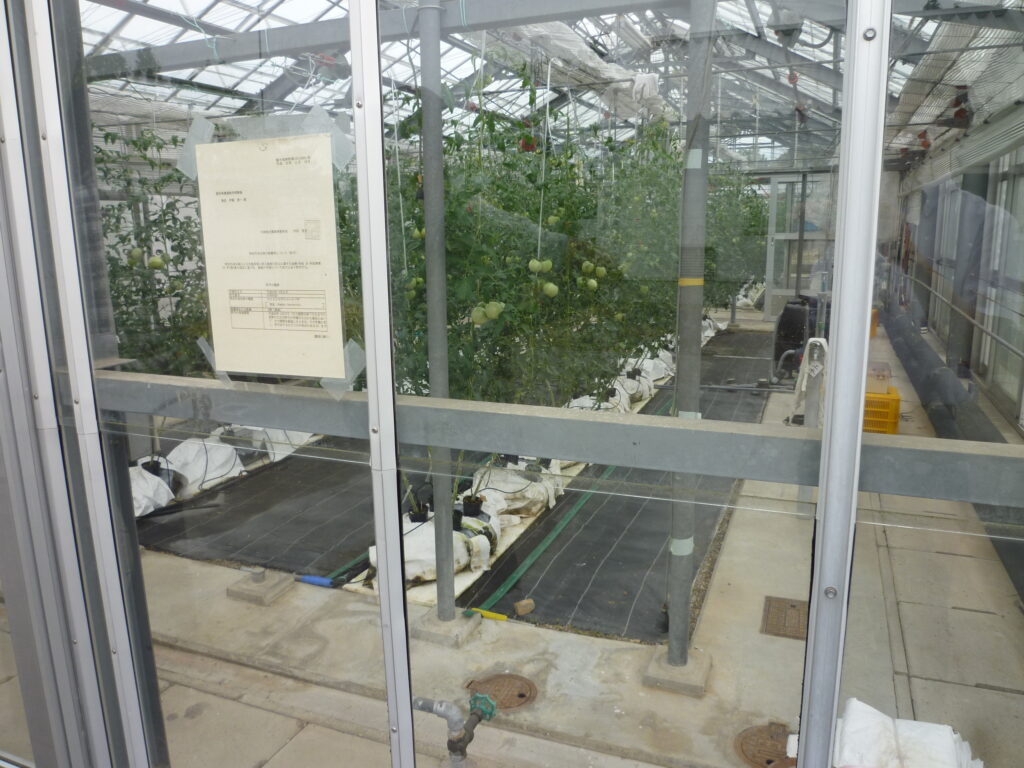
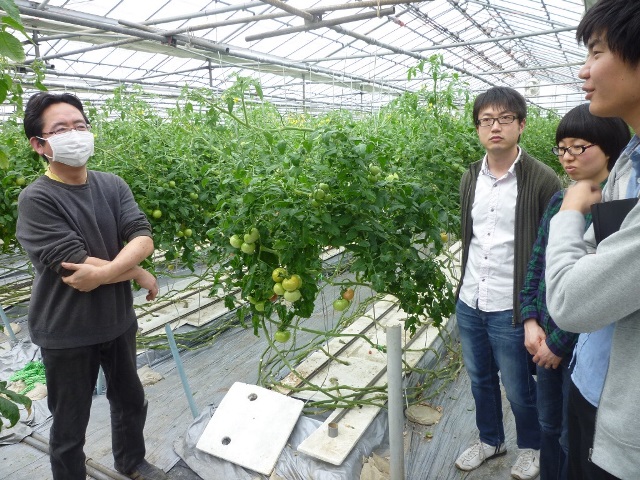
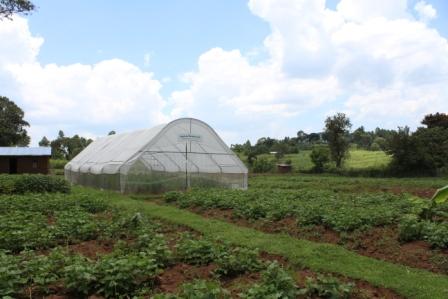
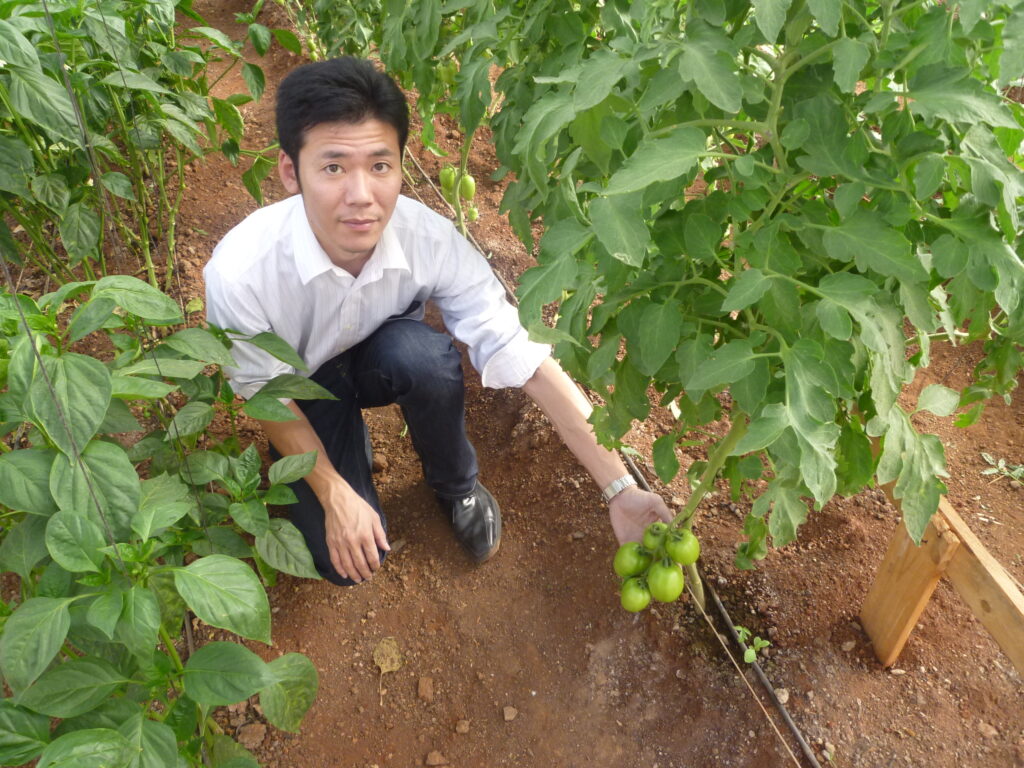
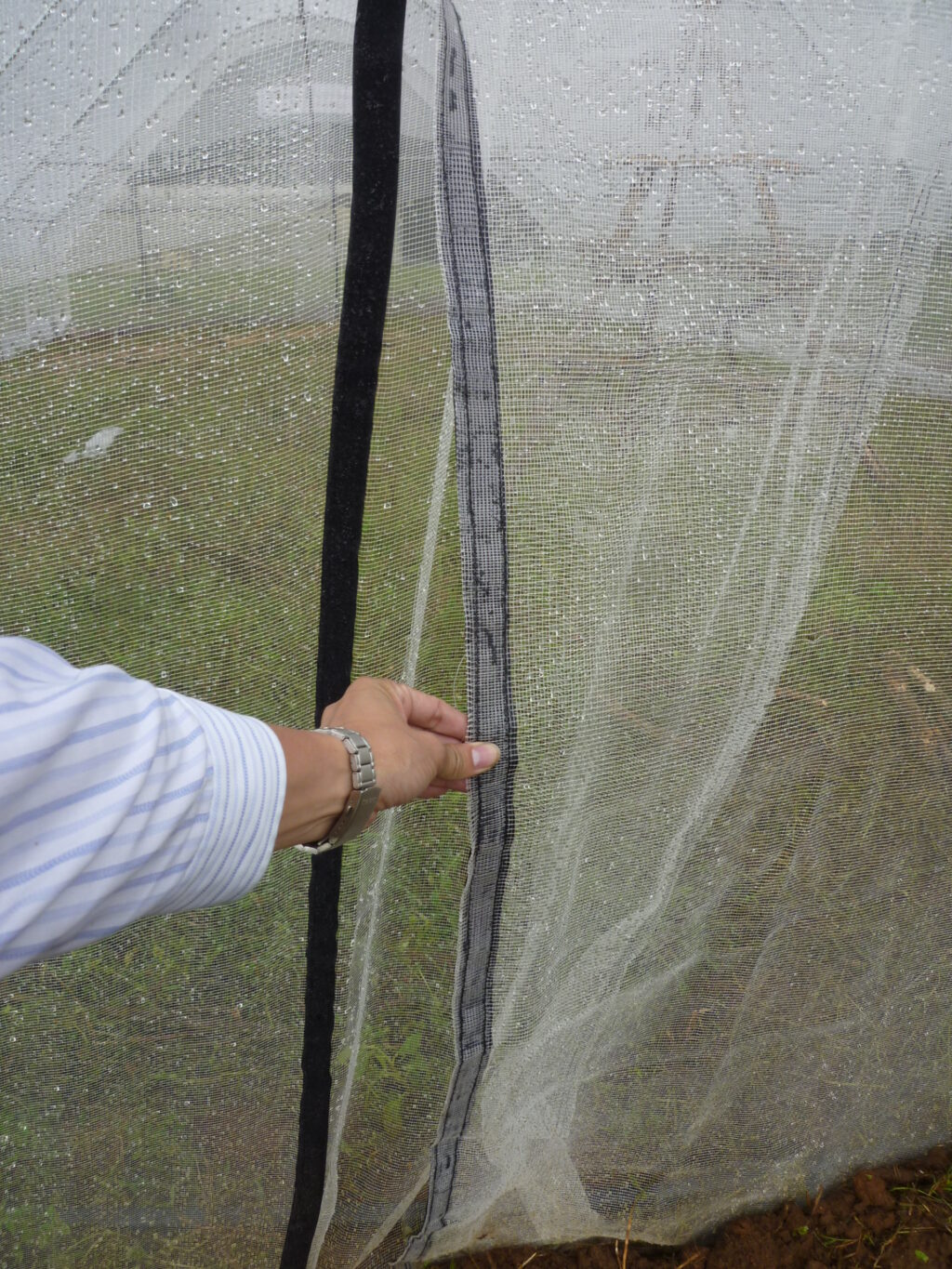
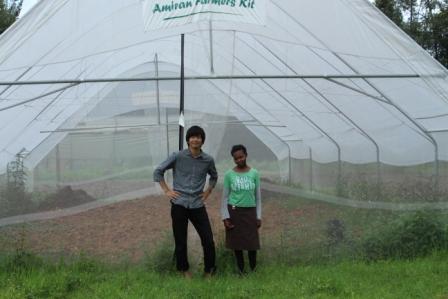
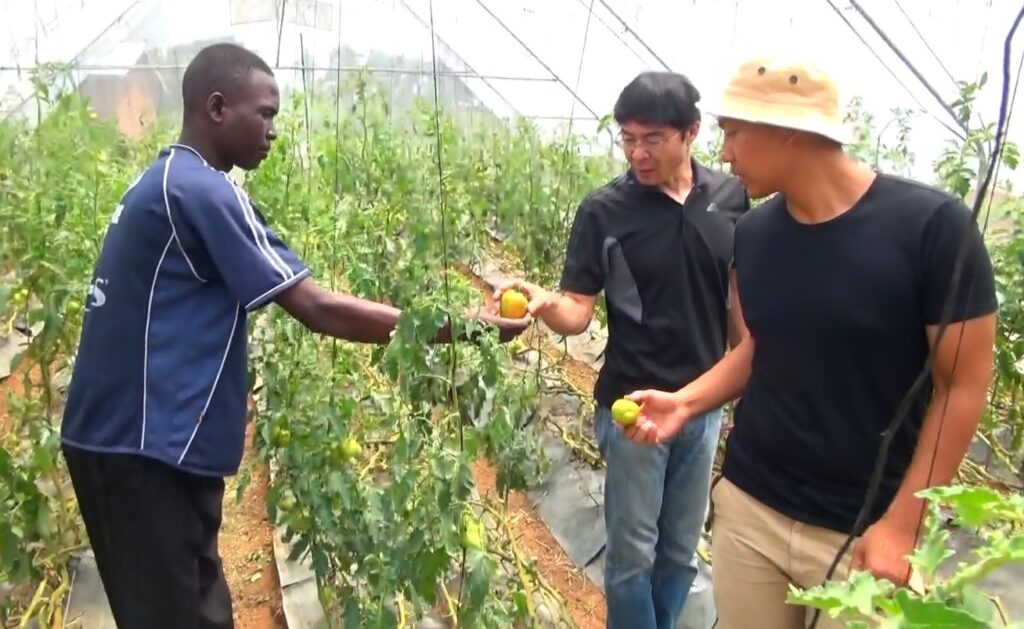
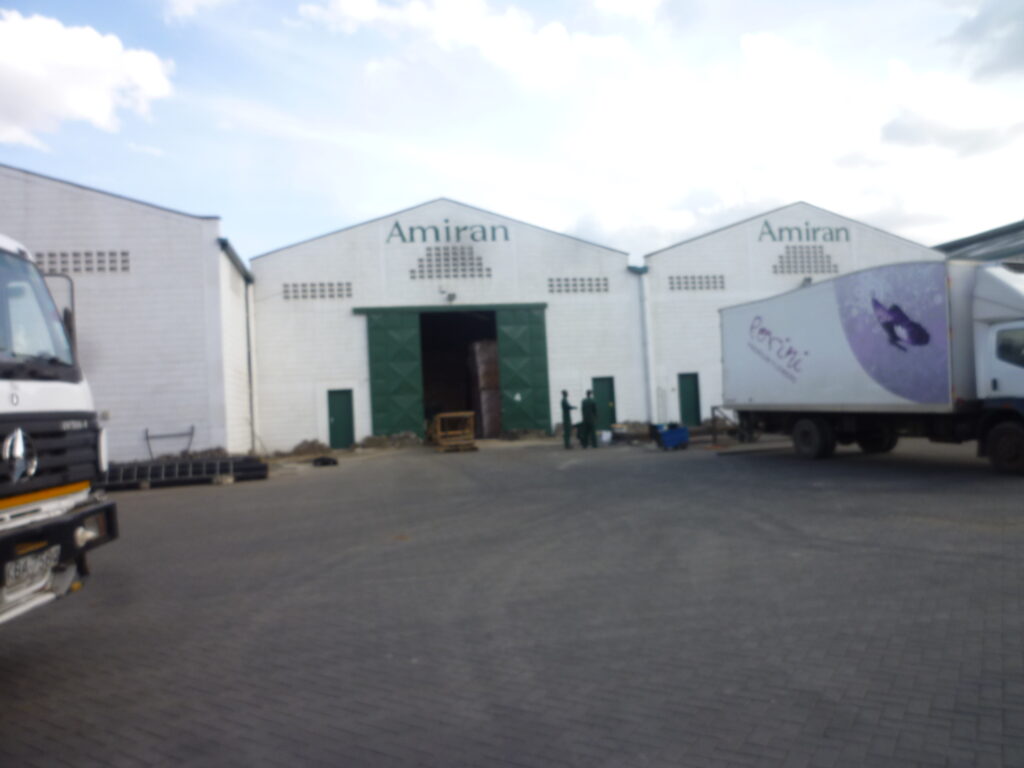
In the agricultural support activities in Kenya, JAT used an Amiran Greenhouse to conduct agricultural demonstrations centered on tomato cultivation.
The greenhouse also served as a practical learning tool for understanding how to cultivate high-value crops while reducing the effects of weather and pests.
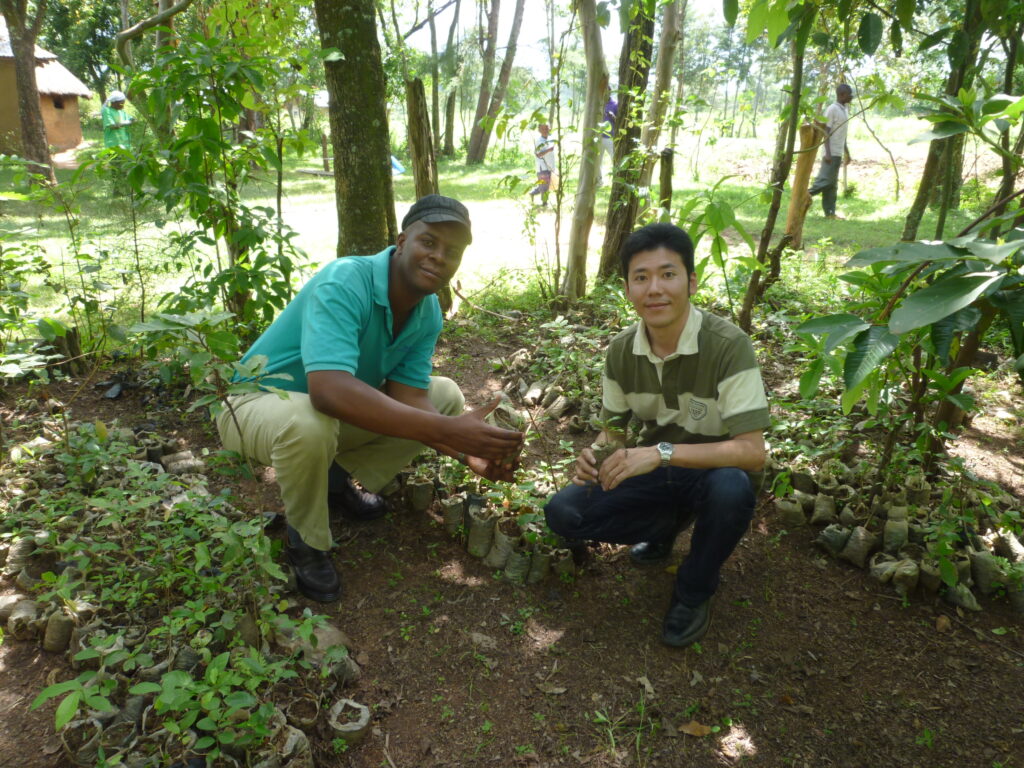
The Share Green Project aimed to use income generated from agriculture not only for livelihood improvement, but also for tree planting and environmental conservation.
Around Kakamega, issues such as forest loss, water resources, and soil conservation were important. For this reason, agricultural support and environmental conservation needed to be considered together.
Micro-empowerment is an approach to self-reliance support that does not end with short-term aid, but helps create income locally, even on a small scale, and connects that income to the next activity.
By combining greenhouse equipment, cultivation techniques, training, local management, and income generation, the project aimed to create a system in which local people could develop the initiative themselves.
This activity was not carried out independently; it was based on cooperation with local organizations, government offices, agricultural institutions, and community groups.
United Mission for the Needy. UMN served as the local counterpart around Malava, Kakamega County, Kenya, supporting project operations and local coordination.
Kenyan Agricultural Research Institute. KARI is recorded as a related organization for advice and support regarding agricultural technology and local farming conditions.
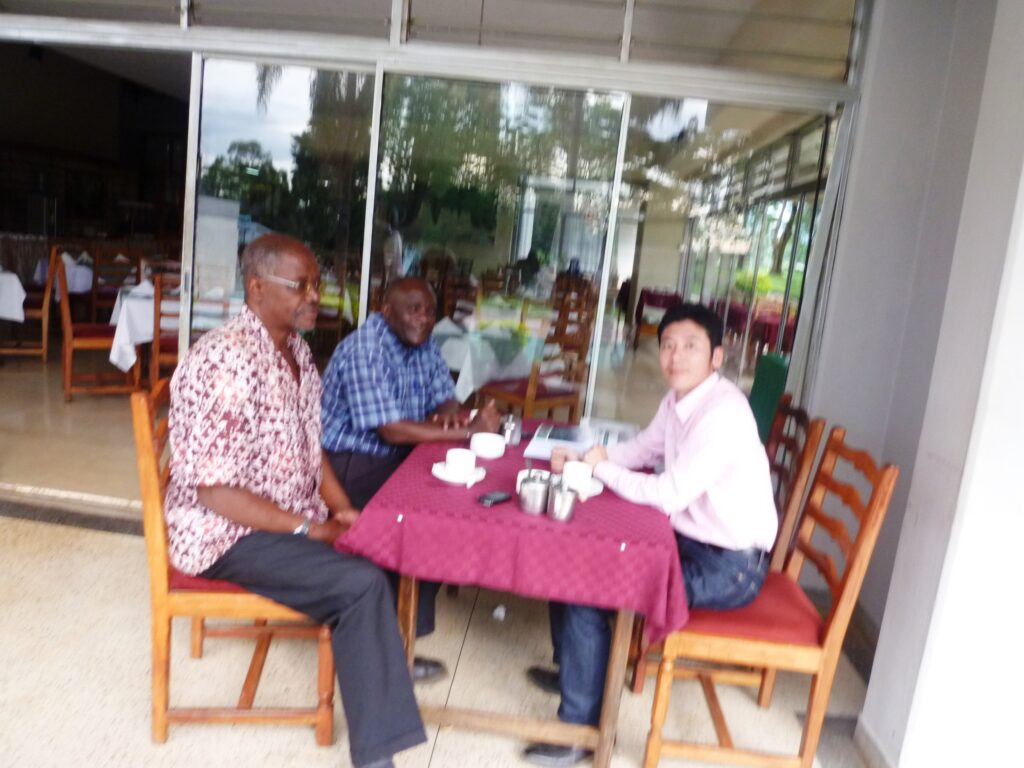
Through meetings with agricultural and government-related people in Kakamega County, the project aimed to develop activities rooted in the local community.
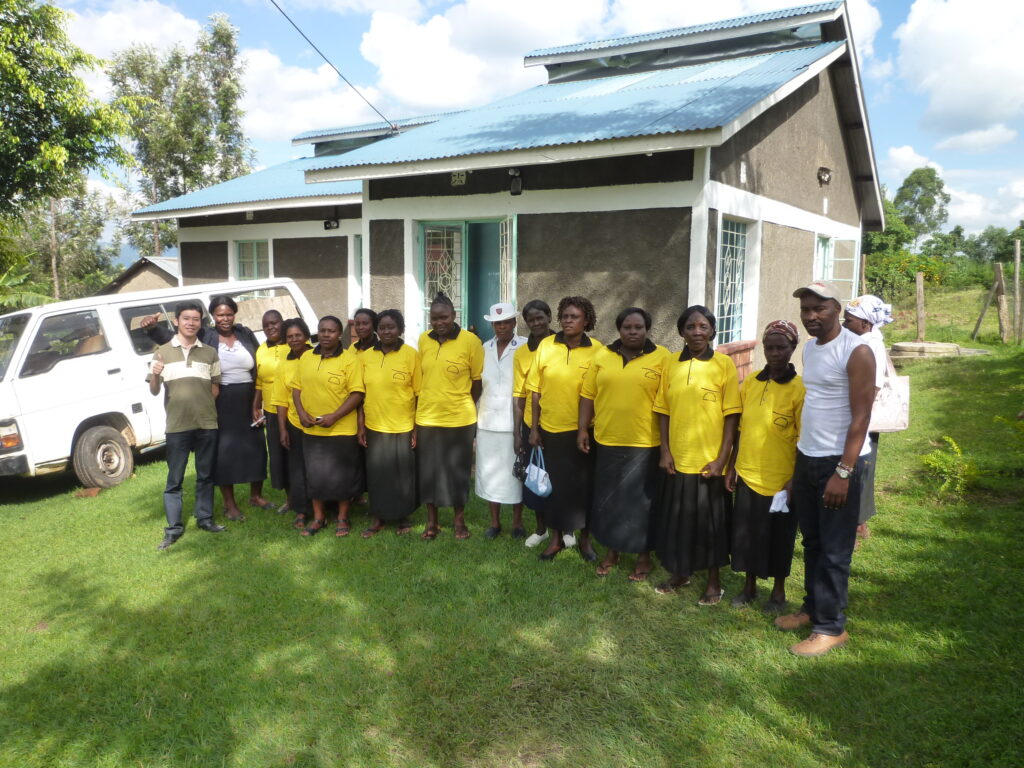
Through connections with women’s groups and youth groups, the project envisioned agricultural training, job creation, and community-participatory activities.
Agricultural support in Kenya was also connected to agricultural training in Japan, student internships, and the development of people involved in international cooperation.
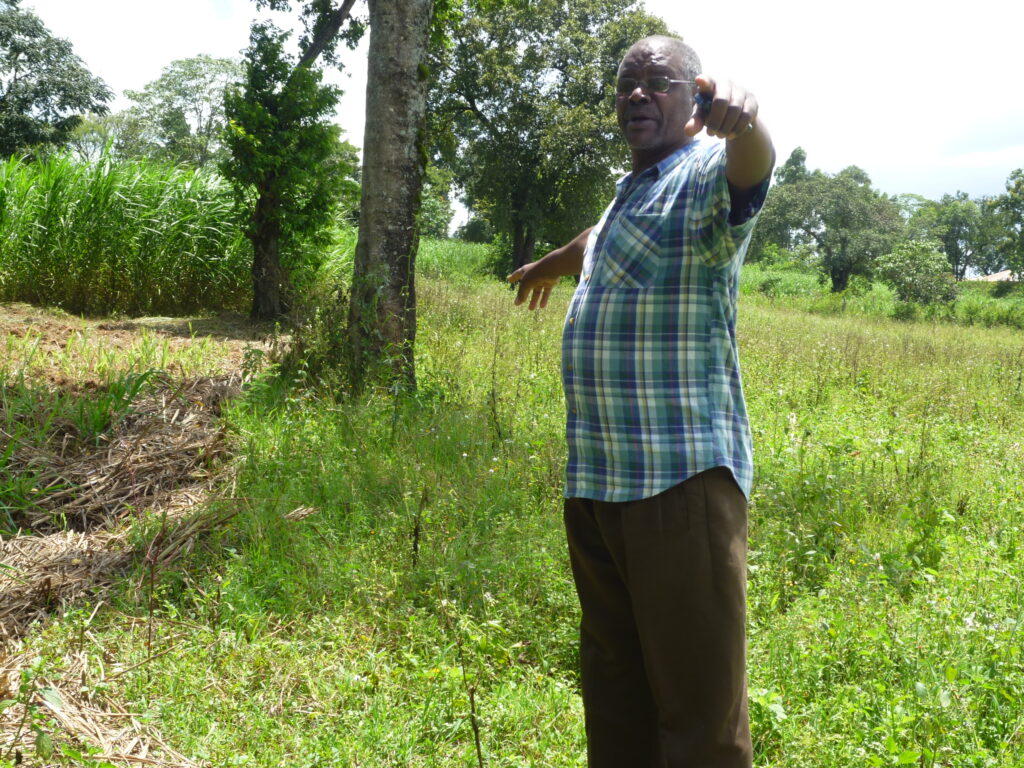
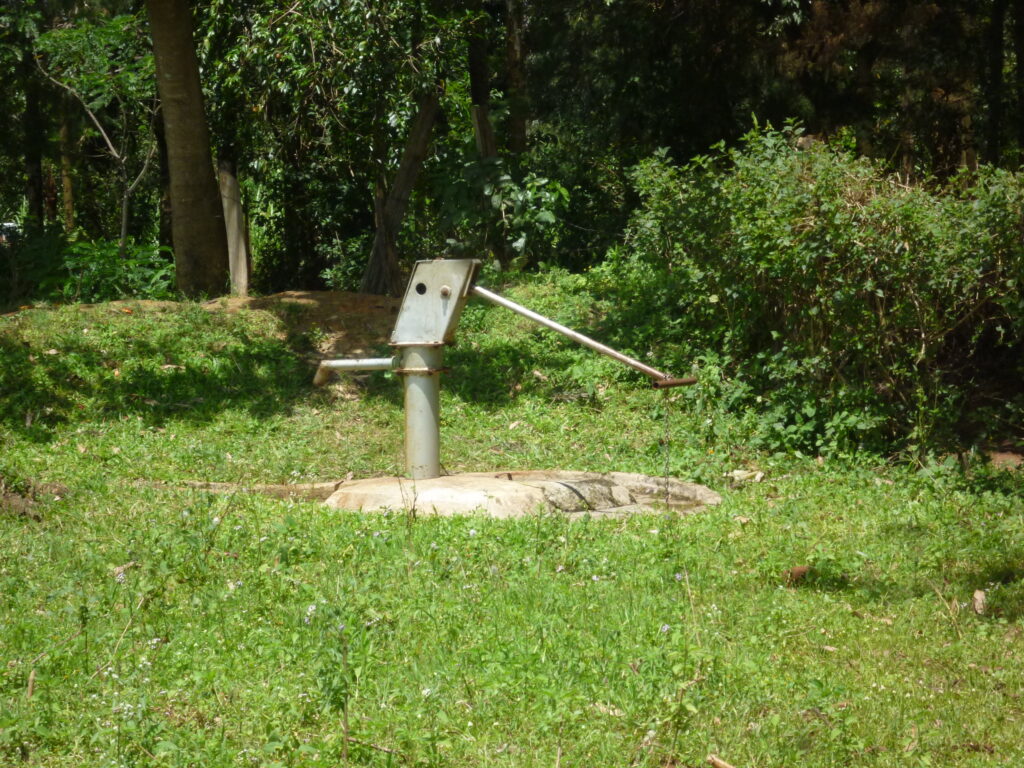
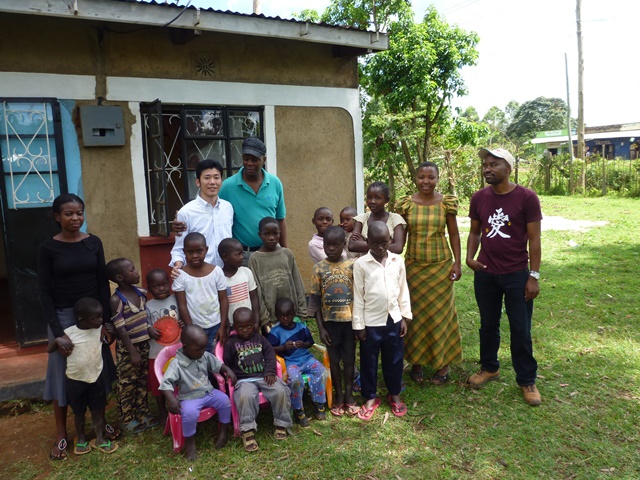
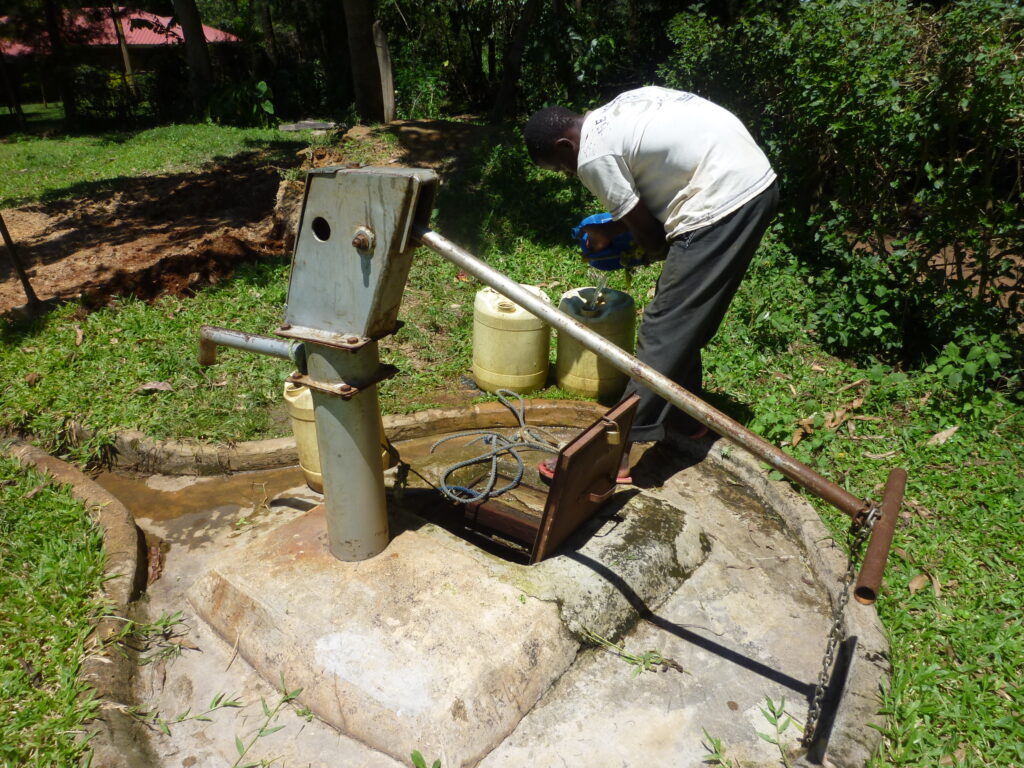
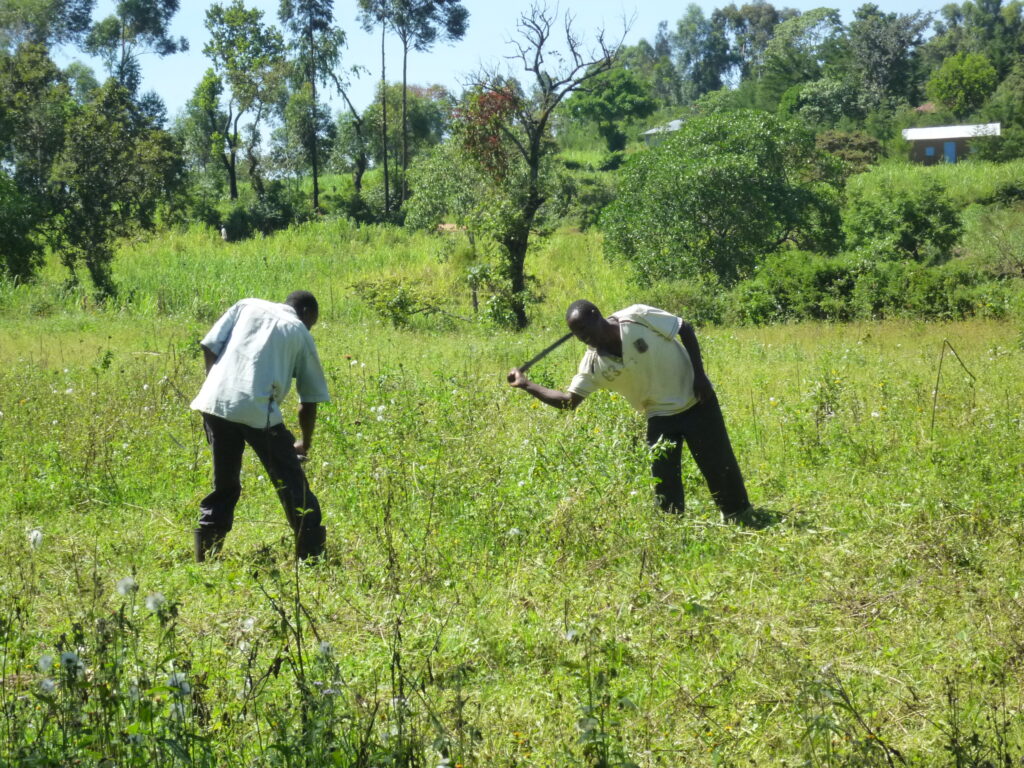
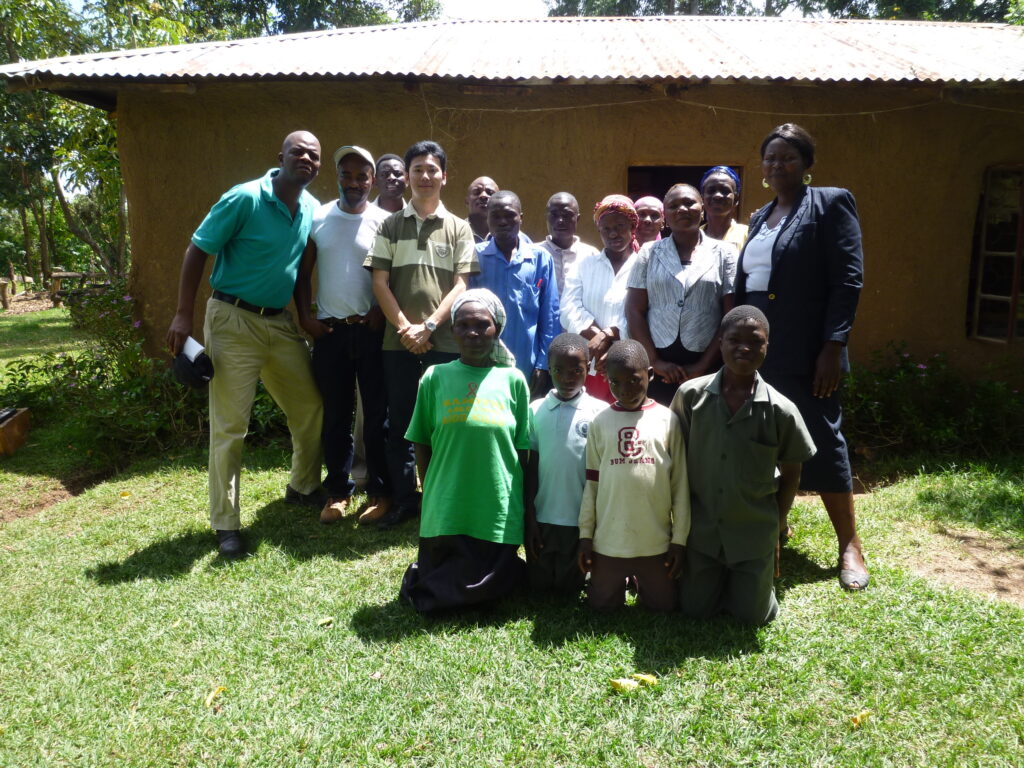
Photos documenting the field activities, farms, training, and cooperation with stakeholders in the Kenya agricultural support and environmental conservation project.
Agricultural support in Kenya may seem different from HHHJapan’s current work in Japanese language education, multicultural coexistence, and international exchange. However, it is deeply connected to current activities in the sense that it required understanding local issues, connecting people, and supporting communities through education and system-building.
Overseas activities required dialogue with local organizations, government offices, schools, and community groups, rather than simply applying outside ideals.
The idea of combining greenhouses, training, income generation, and reinvestment also connects to the design of education and multicultural coexistence projects.
Local agricultural training and Japanese internships were also practical examples of human resource development through international cooperation.
Please also see the overview of JAT-related Africa activities, the children’s food education exchange page, and the school global education page.
HHHJapan draws on its past experience in international cooperation, multicultural coexistence, and education to build a society where people can learn from one another through Japanese language education, support for foreign residents, international exchange, and environmental activities.
Contact Us