
Japan-Africa Children’s Food Education and International Exchange Project
This page records a JAT-related activity in which children in Japan and Kenya learned food education and global understanding together through soybean planting, edamame harvesting, soybean harvesting, tofu-making, and art exchange.
“Daizu Kids Africa” was a hands-on project that began with agricultural experience and expanded into food culture, international exchange, understanding Africa, and child-led international cooperation.
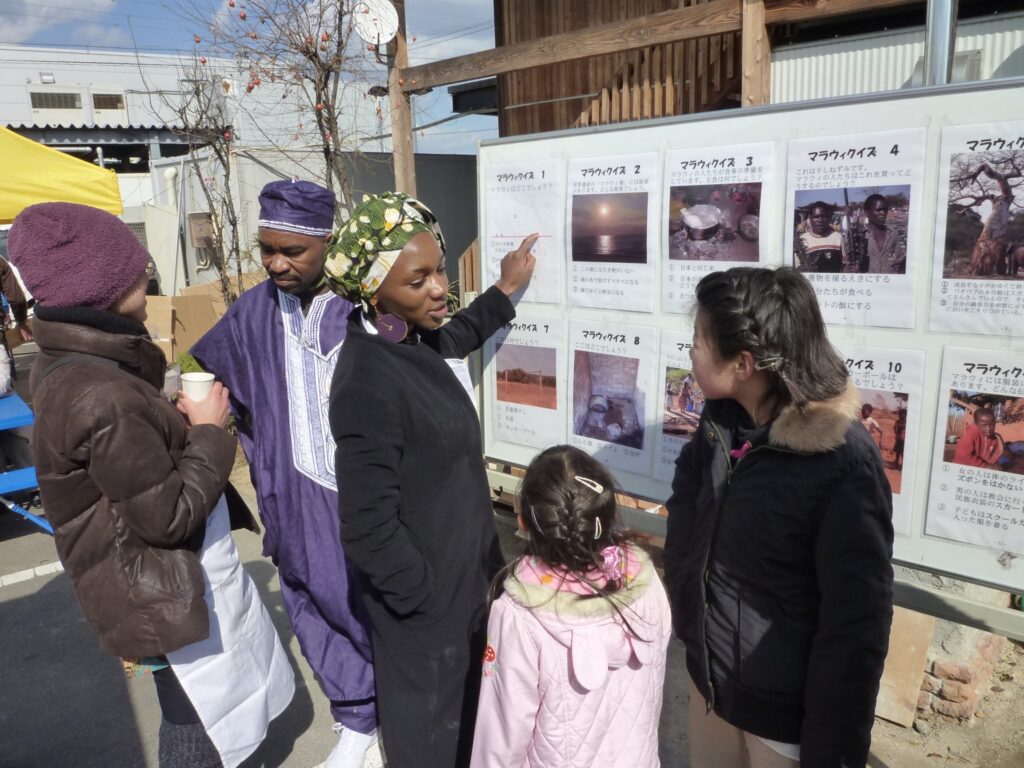
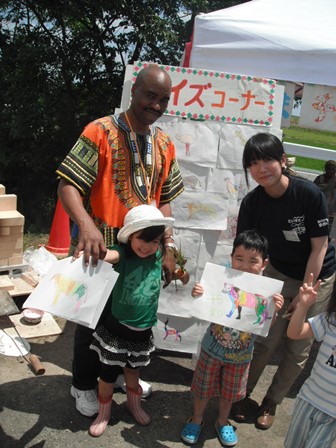
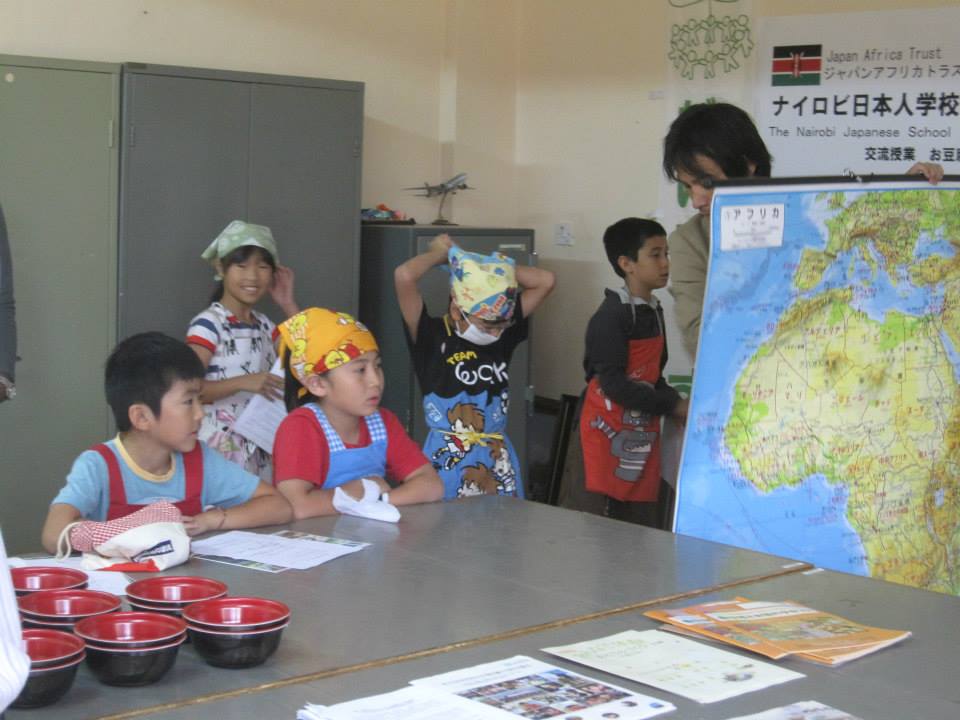
Project Overview
Daizu Kids Africa was an activity in which children in Japan and Kenya grew, harvested, ate, and expressed their learning through the same crop: soybeans. Through this shared experience, they learned food education and international exchange together.
The program developed from soybean planting to observation and drawing, edamame harvesting, soybean harvesting, and tofu-making. It also expanded into online exchange with Nairobi Japanese School and the Uganda T-shirt Project.
The project aimed to help children in Japan see Africa not as a distant place, but as something close to them through the same crops, the same learning, and the same food.
Key Features of the Activity
Children in Japan and Kenya grew, harvested, and exchanged around soybeans during the same period.
Through soybeans, edamame, tofu, and African food, children learned about food culture and global connections.
Children’s own expressions—drawings, messages, T-shirts, and letters—became the foundation of international exchange.
The activity was recorded through MOFA recognition, the Yumeya Fund, and the Expo 2005 Aichi social contribution fund.
Main Recognition, Grants, and Educational Practice
This activity is recorded as a practice that combined food education, agricultural experience, global education, and children’s active participation.
60th Anniversary of Japan’s International Cooperation
“Japan-Kenya Simultaneous Children’s International Exchange and Food Education through Soybeans” was recognized by Japan’s Ministry of Foreign Affairs as part of the 60th Anniversary of Japan’s International Cooperation.
Yumeya Fund by the Association for Corporate Support of the Arts
The activity was implemented as a grant-supported project by the Yumeya Fund, which supports public-interest activities such as healthy child development and support for developing countries.
Expo 2005 Aichi Social Contribution Fund
The project received support as an activity connecting children’s agricultural experience, food education, and international exchange between Japan and Kenya.
Record of Global Education Practice
The activity was recorded as a practical initiative combining food education, agricultural experience, global education, and children’s active participation.
Total Participants
Records show 150 participants in Japan and 125 participants in Africa.
Annual Program Steps
Planting, drawing, edamame harvest, soybean harvest, and tofu-making were carried out.
Main Exchange Areas
The activity expanded into children’s exchange connecting Japan, Kenya, and Uganda.
School-to-School Exchange
A Japanese elementary school and Nairobi Japanese School were connected by Skype.
Annual Program
From soybean cultivation to food culture experience, this program was carried out as a step-by-step learning experience for children.
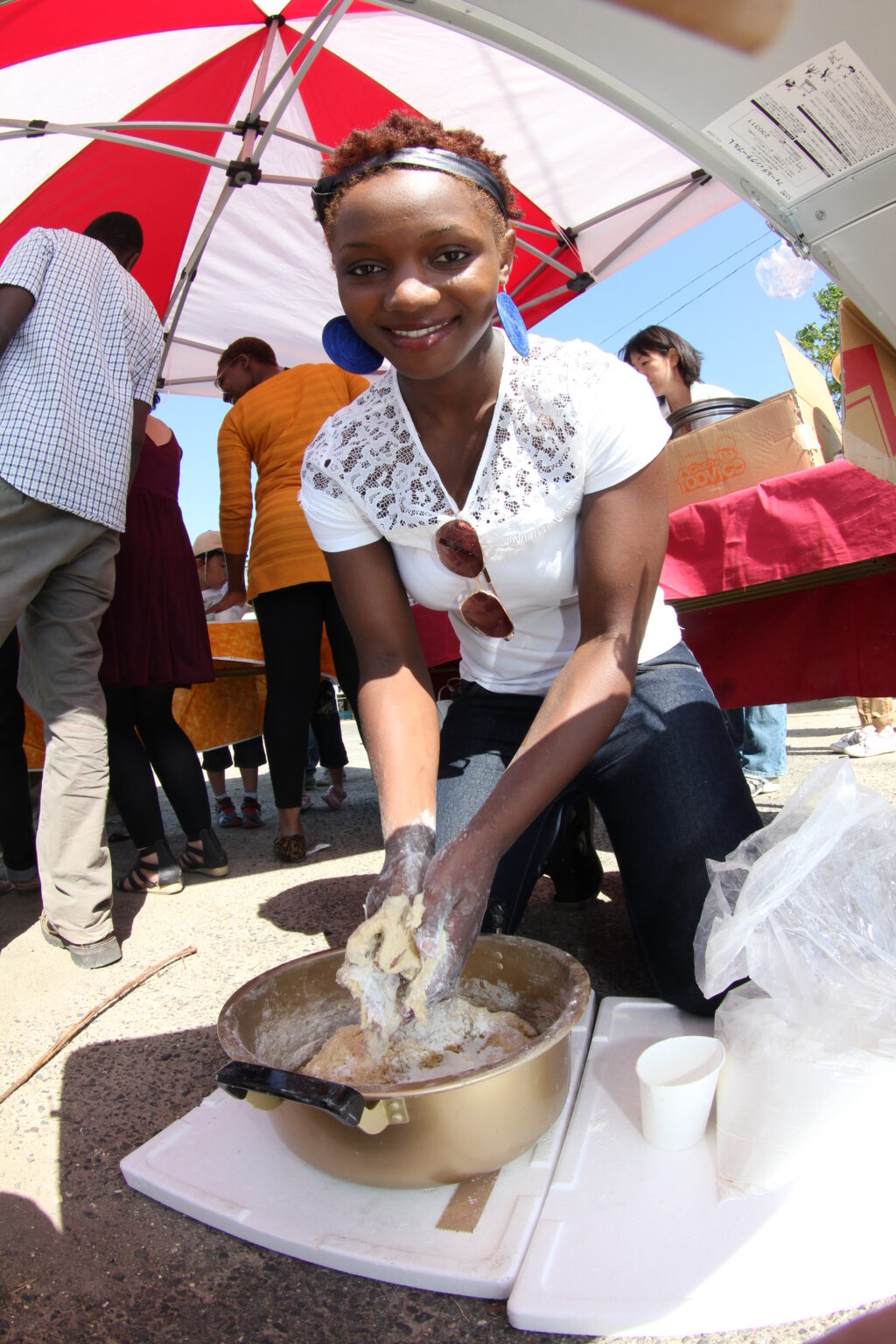
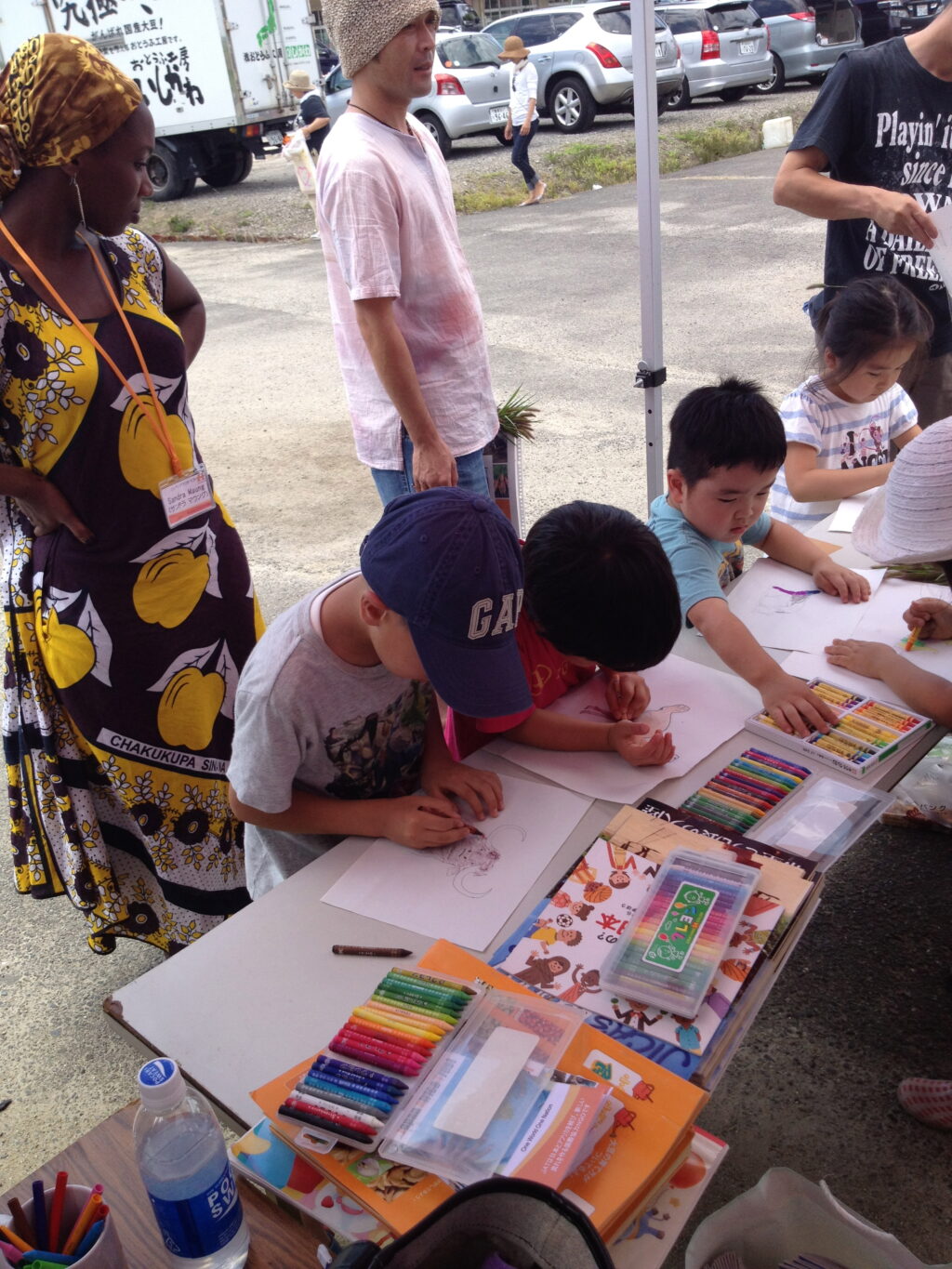
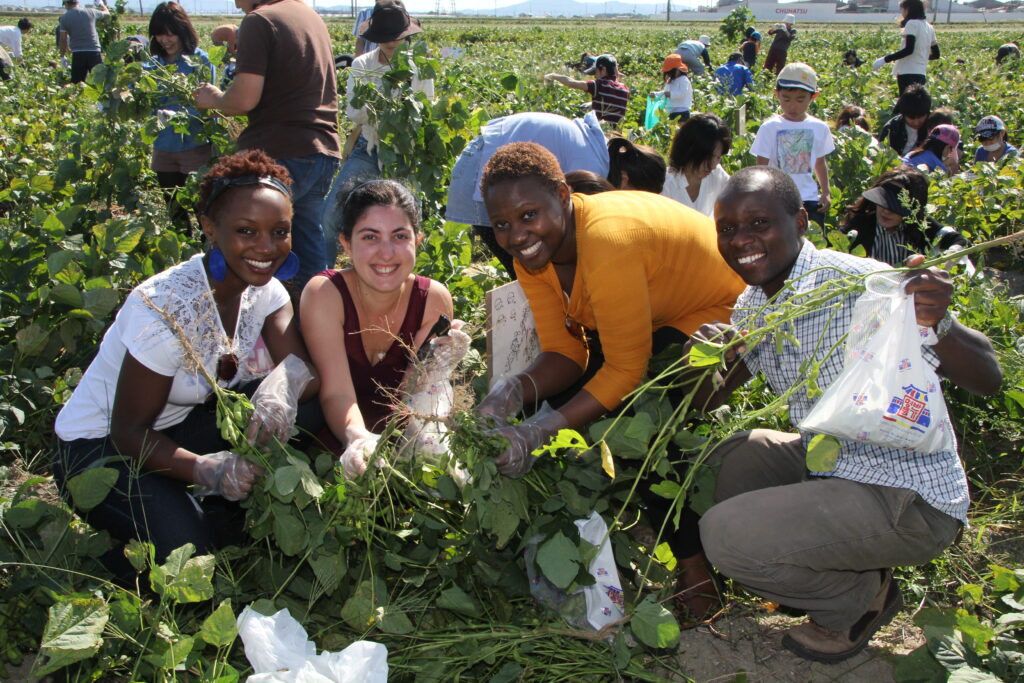
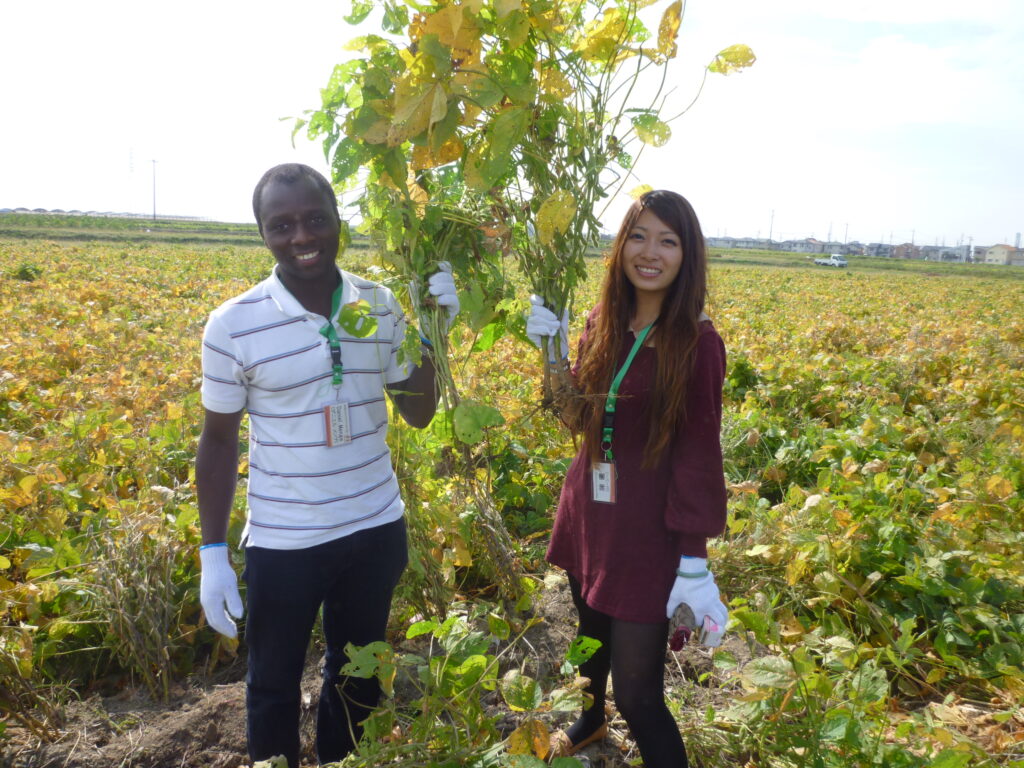
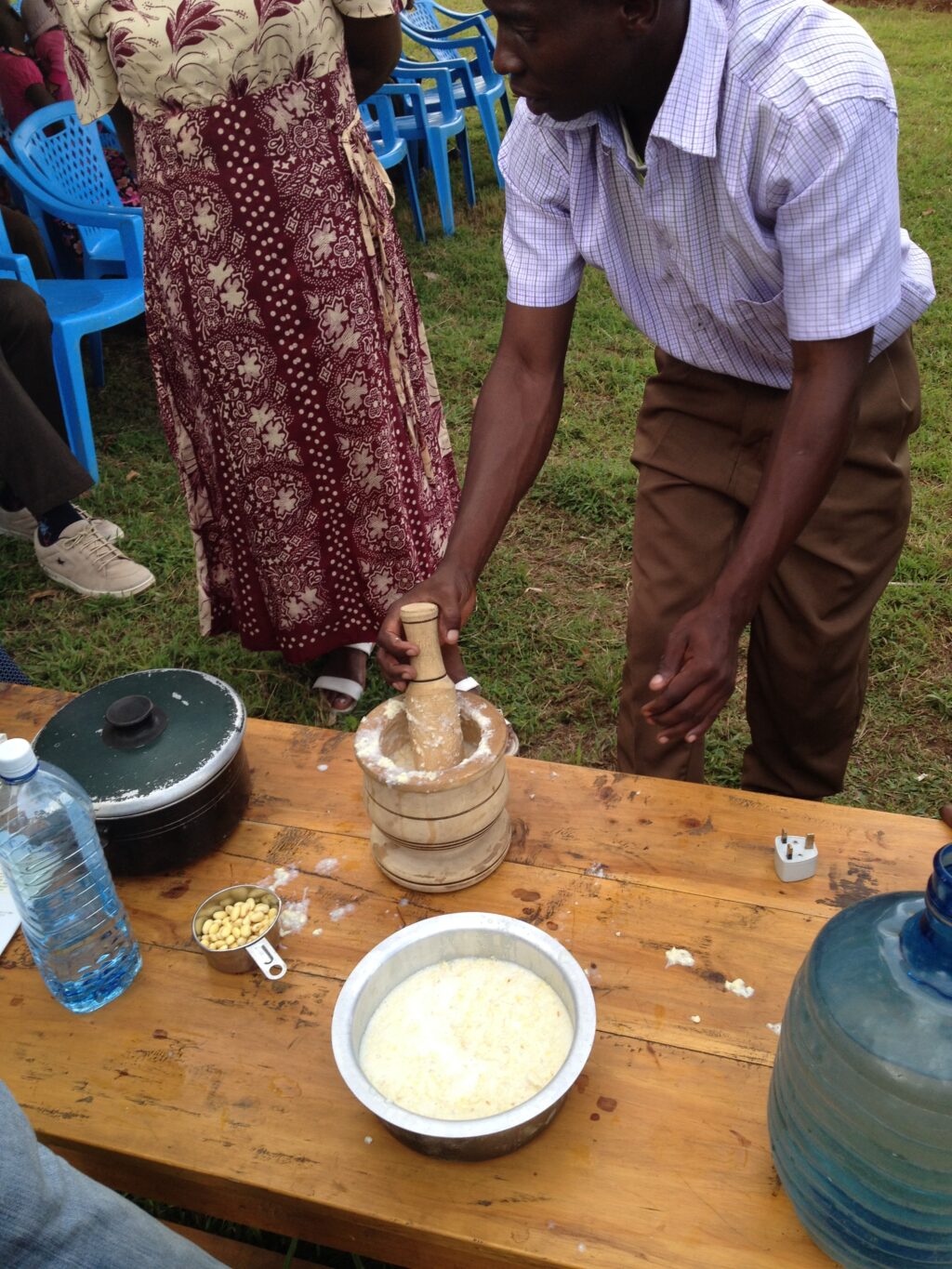
Growing the Same Crop in Japan and Kenya
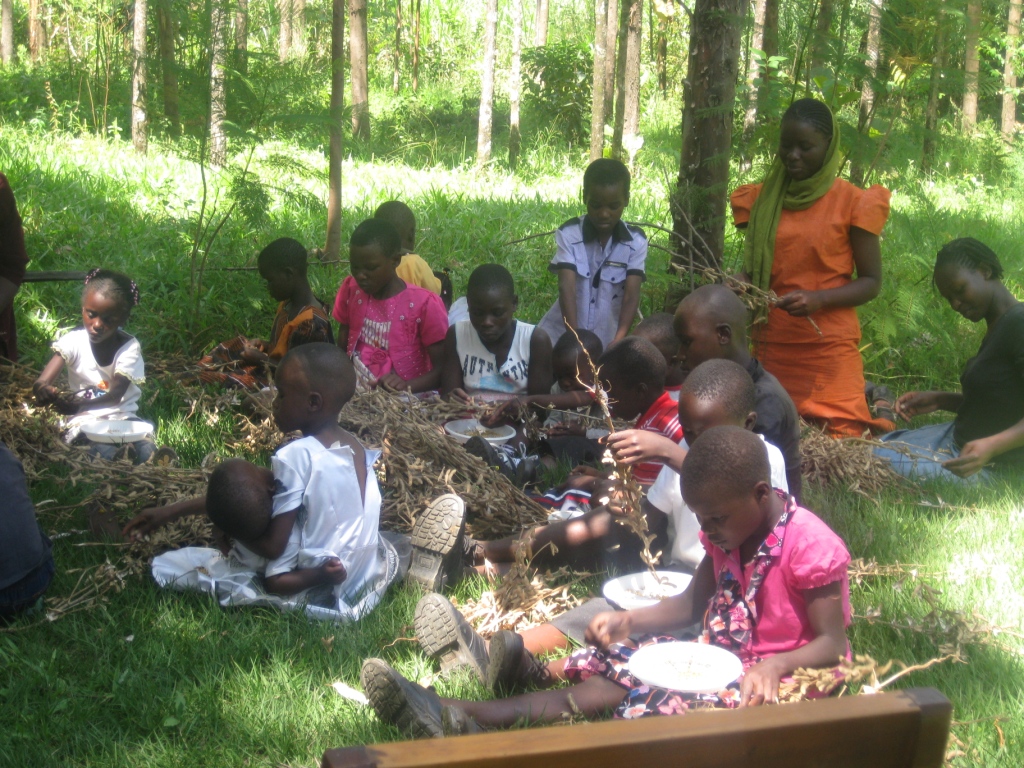
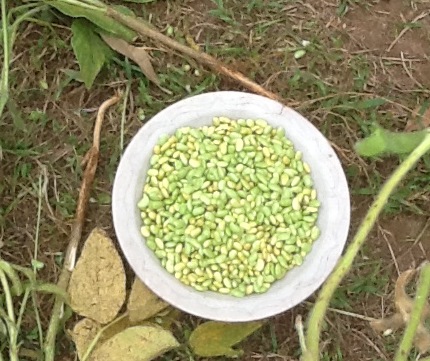
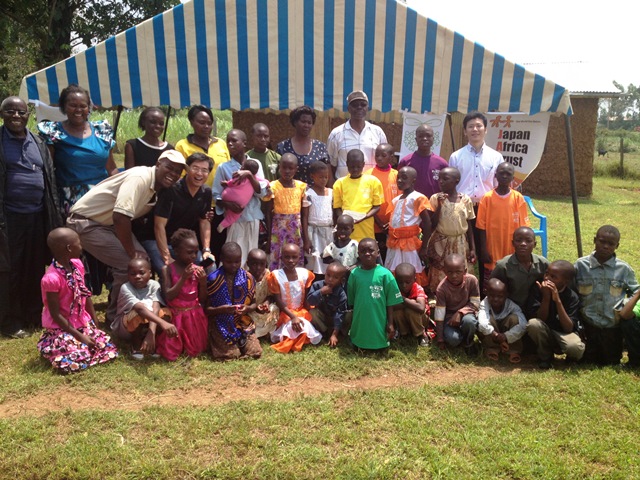
A key feature of this activity was that children in Japan and Kenya exchanged through the same crop: soybeans. In Japan, the activities were held at a farm in Takahama, Aichi; in Kenya, they were held at sites such as the JAT farm in Kakamega and Malava.
- Children in Japan and Kenya worked on the same theme
- International exchange through photos, drawings, and messages
- Food education and global understanding through agricultural experience
- African cultural introductions and tasting of African food were also included
Food Culture Connected through Tofu-Making
The activity did not stop at growing soybeans; children also made tofu using the soybeans they harvested. Through tofu, a familiar part of Japanese food culture, they learned about how soybeans are used, differences in food, and food cultures around the world.
A major feature of this activity was that food education was not treated as a simple cooking experience, but was connected to international exchange and multicultural understanding.
Skype Exchange with Nairobi Japanese School
As part of the activity, Nairobi Japanese School and an elementary school in Japan were connected by Skype, giving children an opportunity to exchange through soybeans and tofu-making.
By sharing the same time through food education, Japanese children living overseas and children in Japan were able to feel global understanding more closely.
Children’s Expression and Exchange
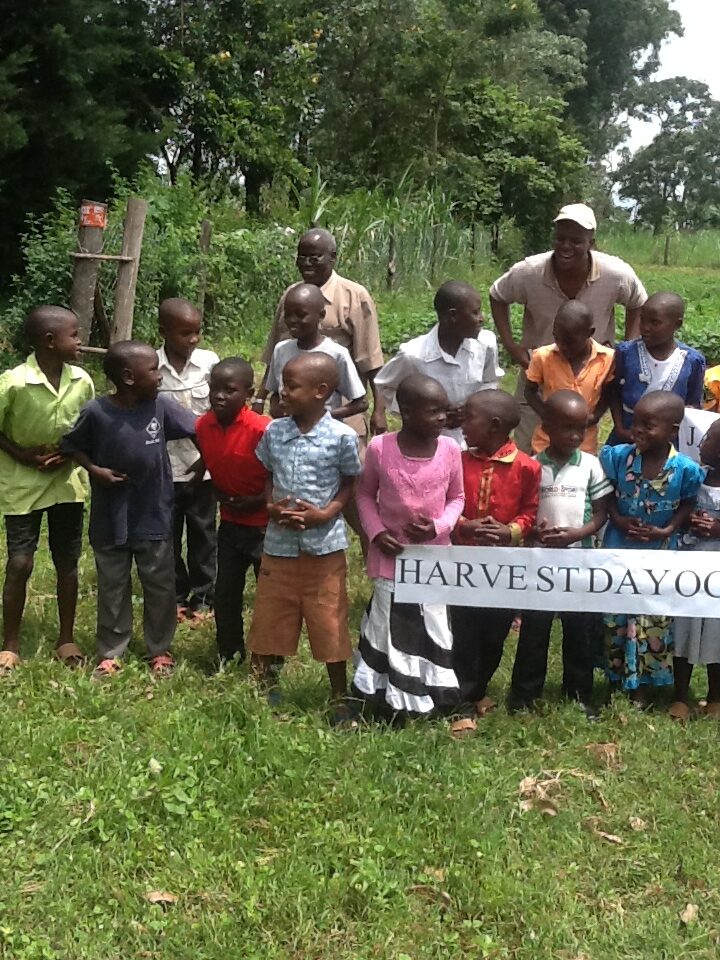
Through drawings, photos, messages, and cultural introductions, children’s own expressions became a form of international exchange.
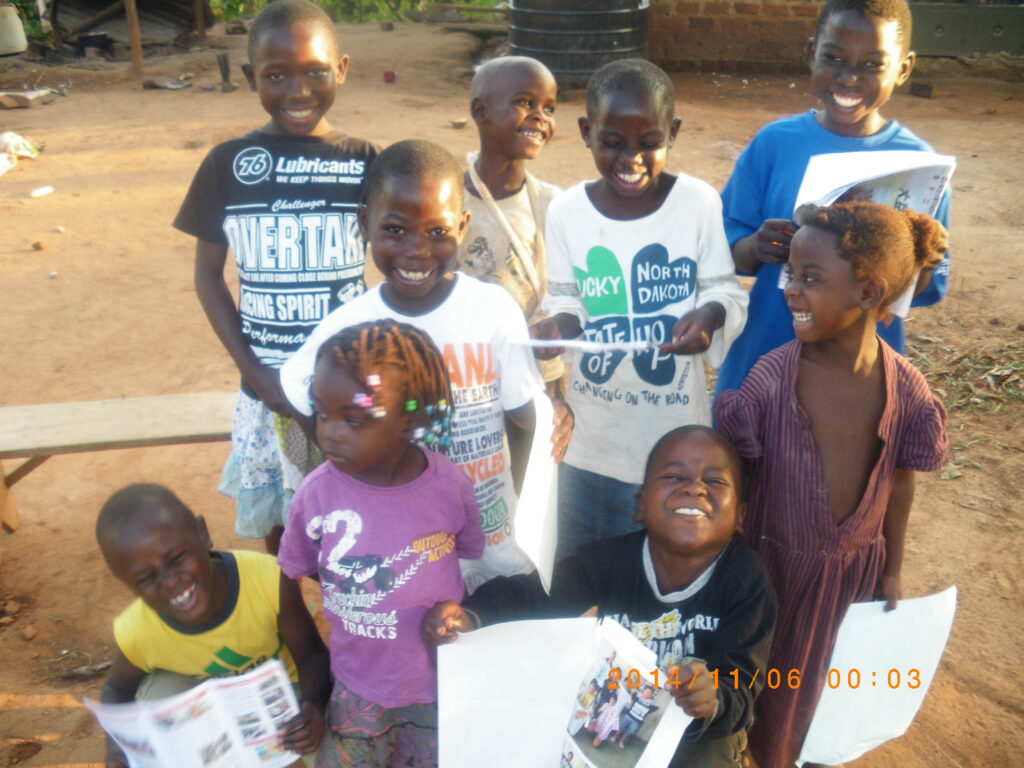
Uganda T-shirt Project
As a related activity around Daizu Kids Africa, children also took part in a project to send T-shirts to children in Africa.
This was not simply a donation of goods. It was a record of international cooperation in which children who had learned about Africa at school thought about “what we can do” and took action.
The children’s handwritten messages and letters are important primary materials showing how action for international exchange emerged from school education.
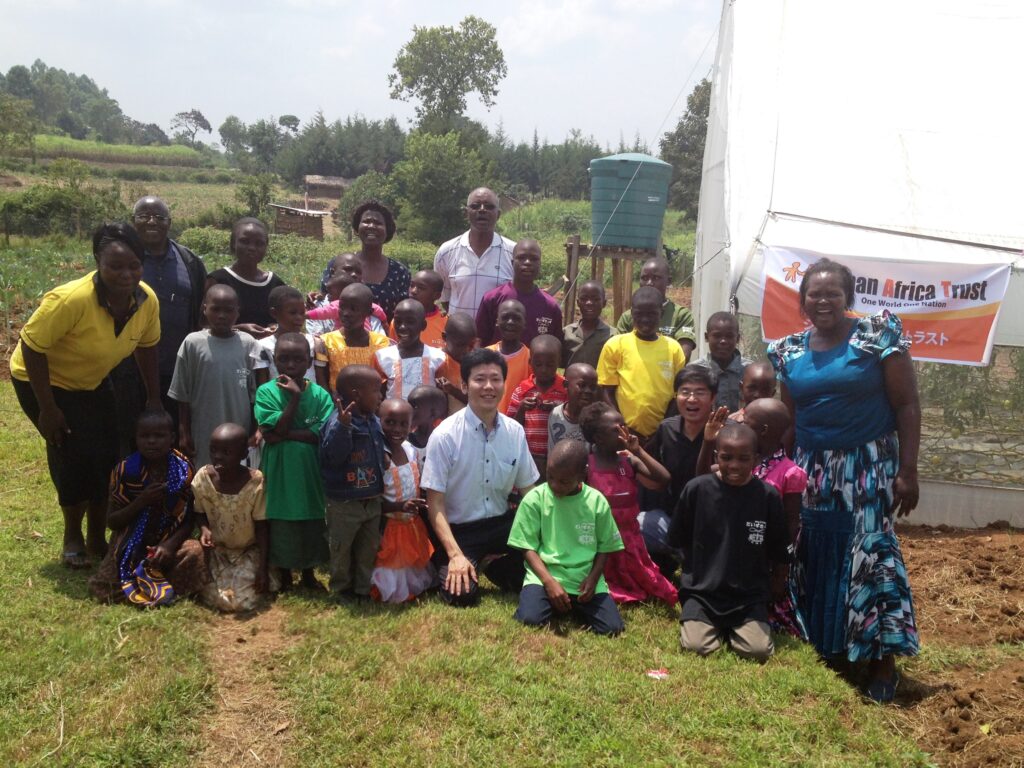
Activity Photo Gallery
Representative photos related to food education, agricultural experience, online exchange, and cultural exchange.
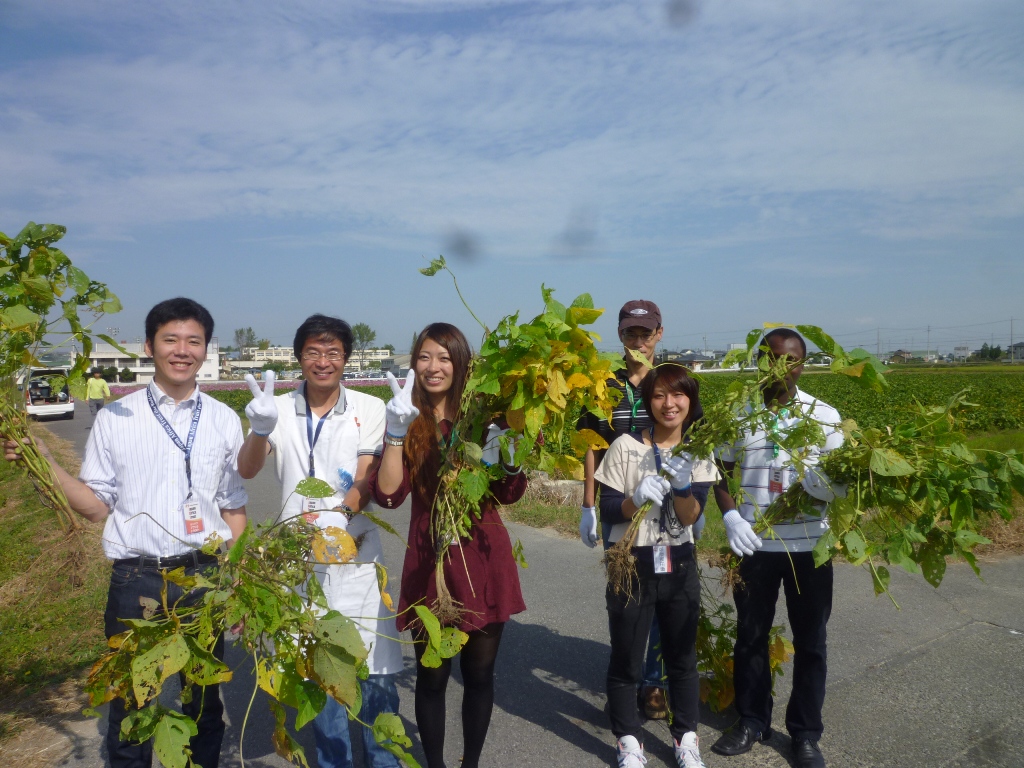
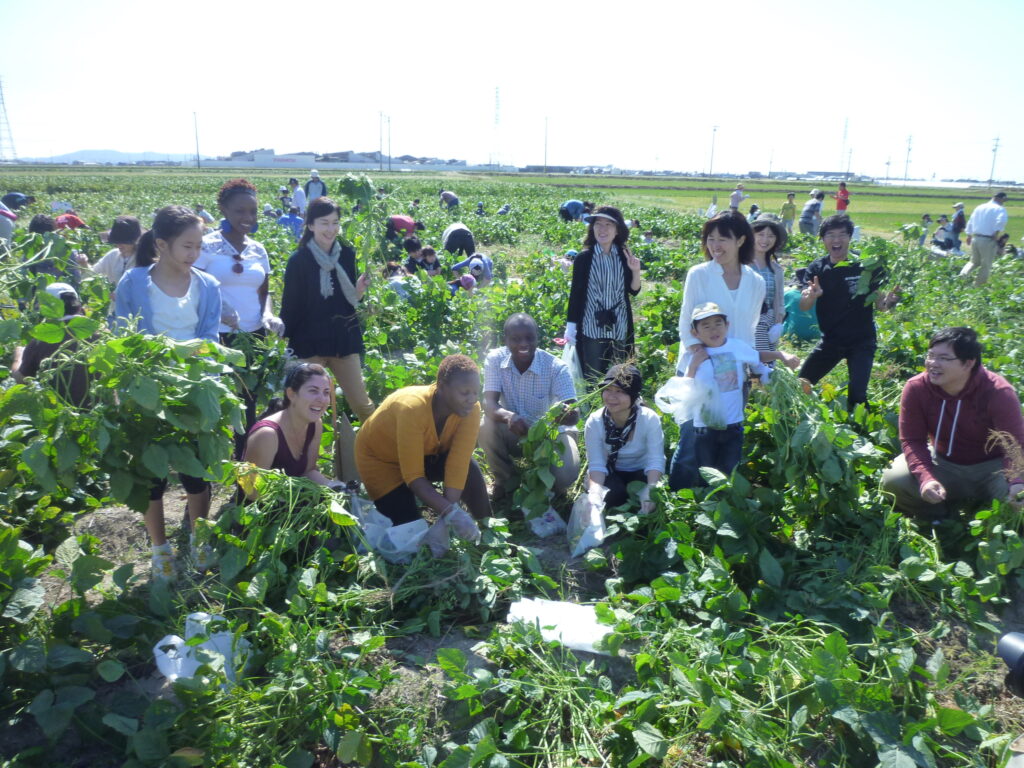
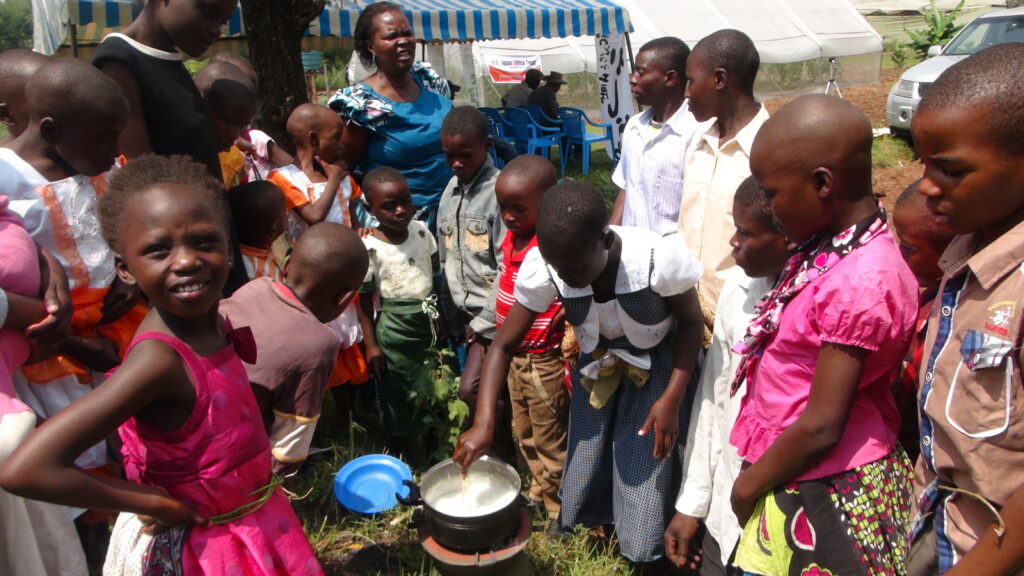
Why This Activity Connects to HHHJapan Today
Daizu Kids Africa combined food education, agricultural experience, international exchange, and children’s active participation. It connects directly to the values of multicultural coexistence, education, and international exchange that HHHJapan continues to emphasize today.
Learning about the World through Food
Through familiar foods such as soybeans, edamame, and tofu, children learned about daily life and cultures around the world.
Children Taking Action
Children’s own expressions—drawings, letters, T-shirts, and messages—became the basis for international exchange.
Connecting Local Communities and Overseas Partners
The activity connected farms and schools in Aichi with Kenya, Uganda, and Nairobi Japanese School through practical exchange.
Related Pages
Please also see the overview of JAT-related Africa activities, the Kenya agricultural support page, and the school global education page.
Learning about the World through Food, and Turning Exchange into Action.
HHHJapan draws on its past experience in international cooperation, multicultural coexistence, and education to build a society where people can learn from one another through Japanese language education, support for foreign residents, international exchange, and environmental activities.
Contact Us