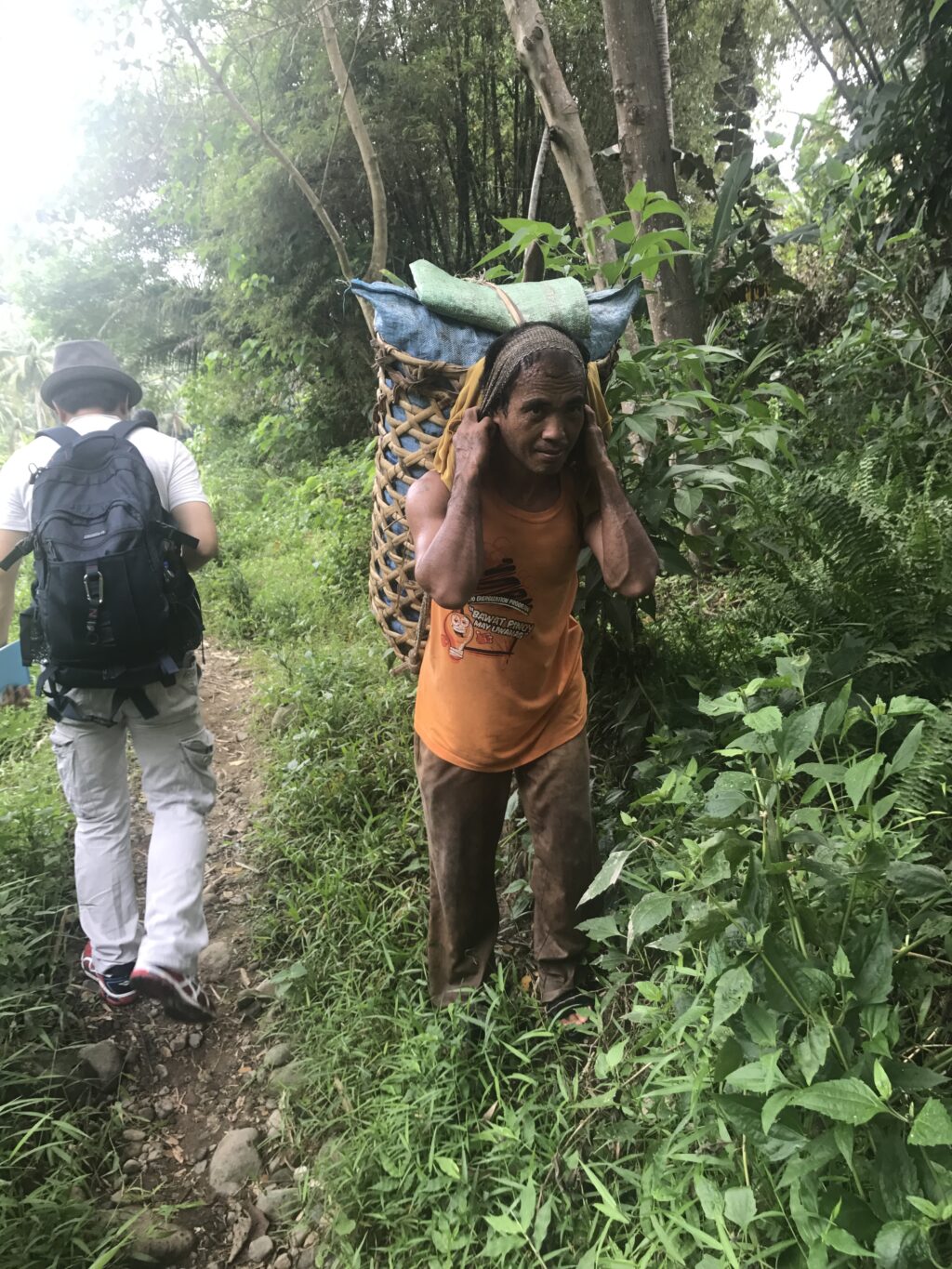
Farmer Training
Farmers learned how to introduce agroforestry practices and manage trees, crops, and home gardens in their own fields.

Japan Fund for Global Environment Project
HHHJapan supported an agroforestry project in Albuera, Leyte, Philippines, with assistance from the Japan Fund for Global Environment. The project promoted farmer training, tree planting, demonstration farms, home gardens, and community-led environmental recovery.
Working with local partners and farmers, the project helped coconut farmers and rural communities recover from typhoon damage by introducing agroforestry practices, distributing seedlings, developing demonstration farms, supporting home gardens, and building a local organization that could continue the activities after the project period.
This project was implemented in and around Albuera, Leyte, an area affected by severe typhoon damage. The project aimed to support rural environmental recovery and strengthen the livelihoods of local farmers through agroforestry.
Rather than focusing only on tree planting, the project combined farmer surveys, training, seedling distribution, home gardens, demonstration farms, livestock support, and community organization development. This approach helped farmers learn, practice, and share agroforestry methods within their own communities.
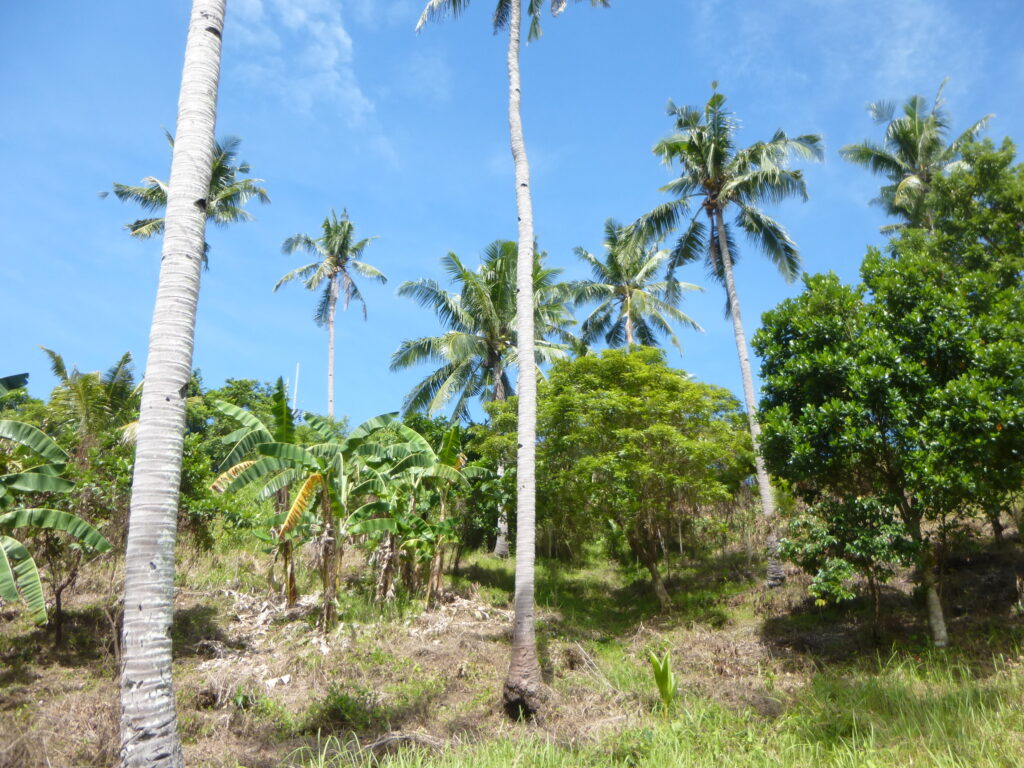
After the devastating typhoon, many rural communities in Leyte lost trees, crops, and important sources of income. Coconut farmers in particular faced long-term challenges because damaged coconut trees take years to recover and begin producing again.
Agroforestry offered a practical way to support both environmental recovery and livelihood rebuilding. By combining trees, fruit crops, vegetables, home gardens, and community learning, farmers could reduce their dependence on a single crop and strengthen their resilience against future disasters and climate change.
The project was designed to support farmers not only through materials and seedlings, but also through knowledge, demonstration, and local leadership. The goal was to create a foundation for activities that could continue within the community.
Farmers learned how to introduce agroforestry practices and manage trees, crops, and home gardens in their own fields.
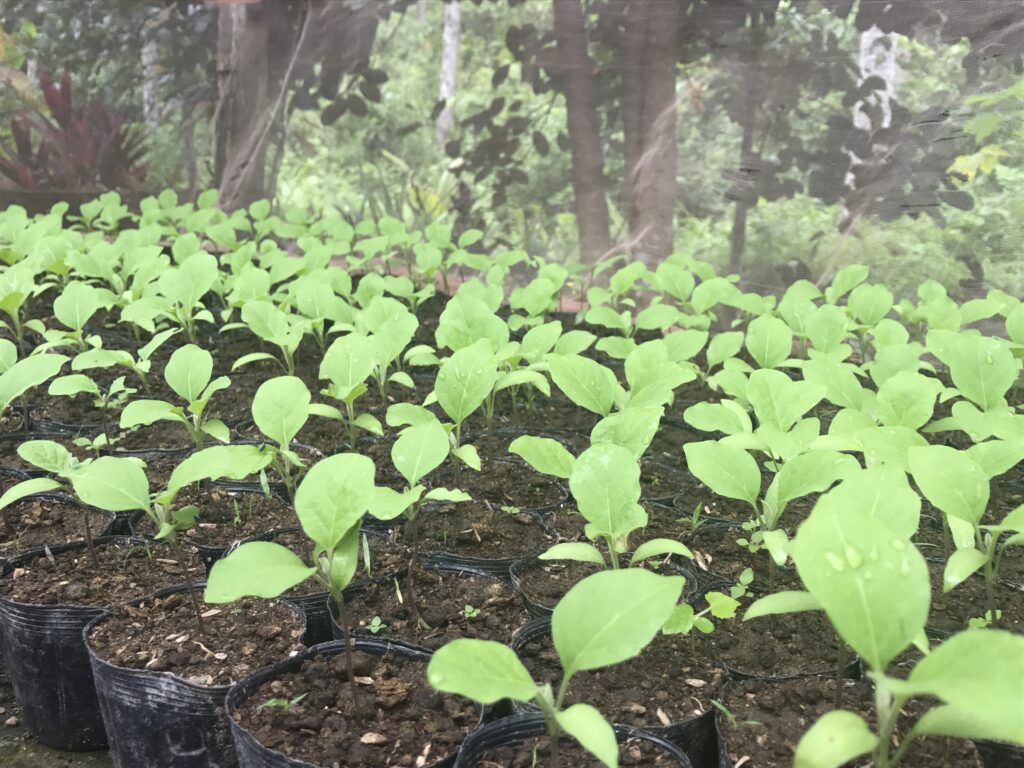
Seedlings and planting materials were distributed to help farmers restore damaged land and diversify future income sources.
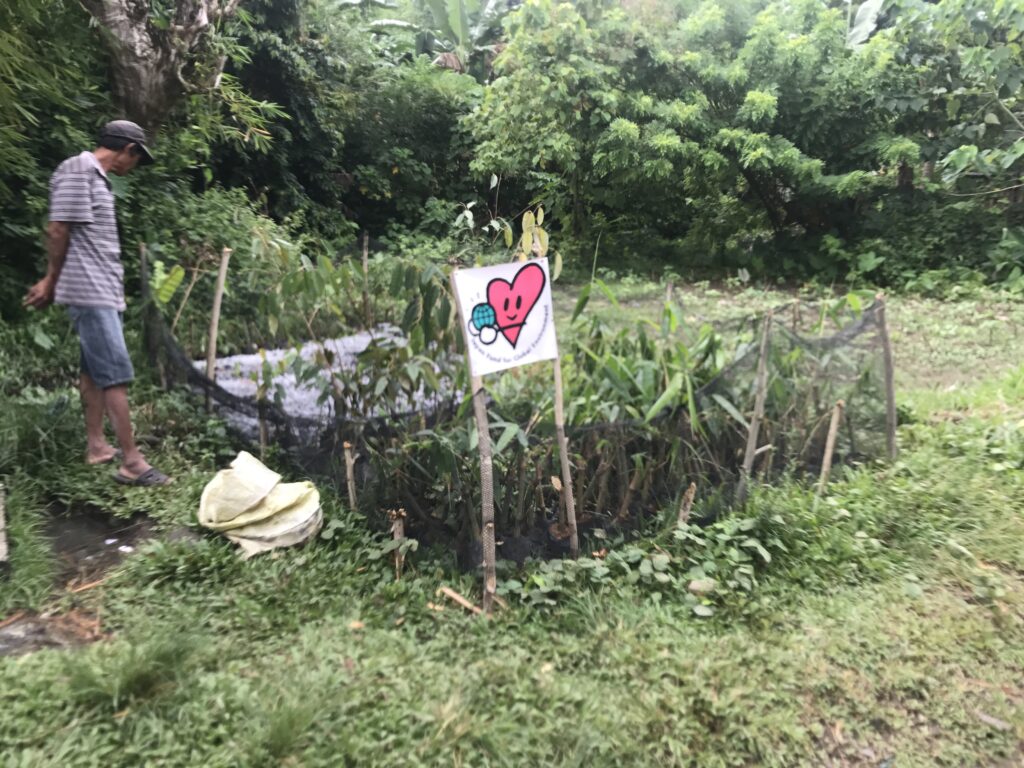
Home gardens helped families grow vegetables and improve food security while learning practical cultivation methods.
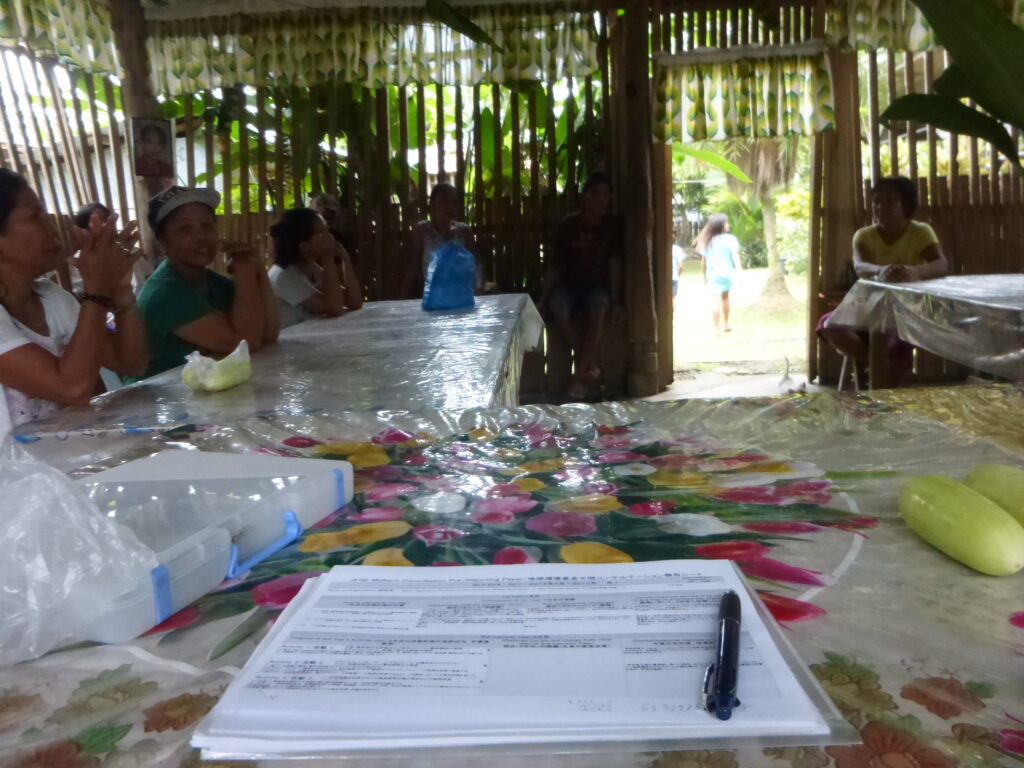
The activities were gradually transferred to WACCA, a local farmers’ organization, so the work could continue locally.
The project developed step by step, from initial surveys and preparation to farmer training, planting, demonstration farms, home gardens, community organization, and the transfer of activities to a local farmers’ organization.
The project began with field surveys, farmer interviews, local needs assessment, and preparation for agroforestry activities in Albuera, Leyte.
Activities included farmer surveys, agroforestry training, seedling distribution, initial tree planting, home garden support, and preparation for demonstration farms.
The project expanded through additional demonstration farms, home gardens, livestock support, farmer-to-farmer learning, and community organization development.
The agroforestry activities were transferred to WACCA, a local farmers’ organization, to continue demonstration farms, farmer training, product marketing, and environmental restoration.
The project combined several practical activities so that farmers could learn agroforestry not only in training sessions, but also through direct experience in their own fields and communities.
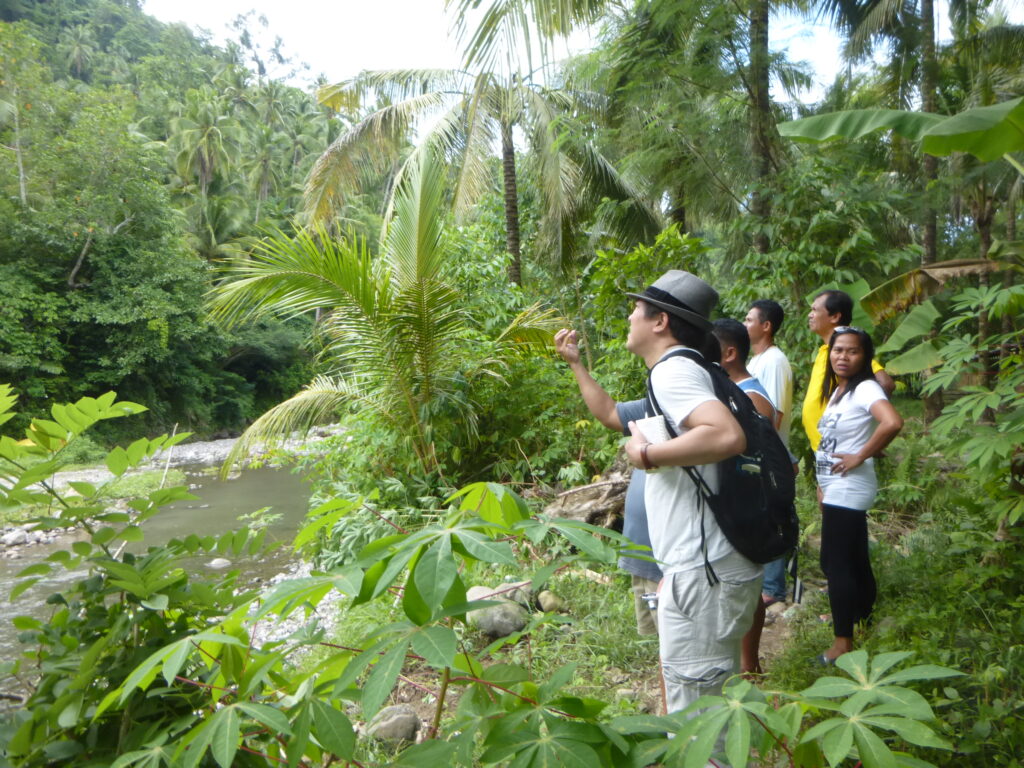
The project assessed farmers’ needs, local conditions, and possible approaches for agroforestry activities.
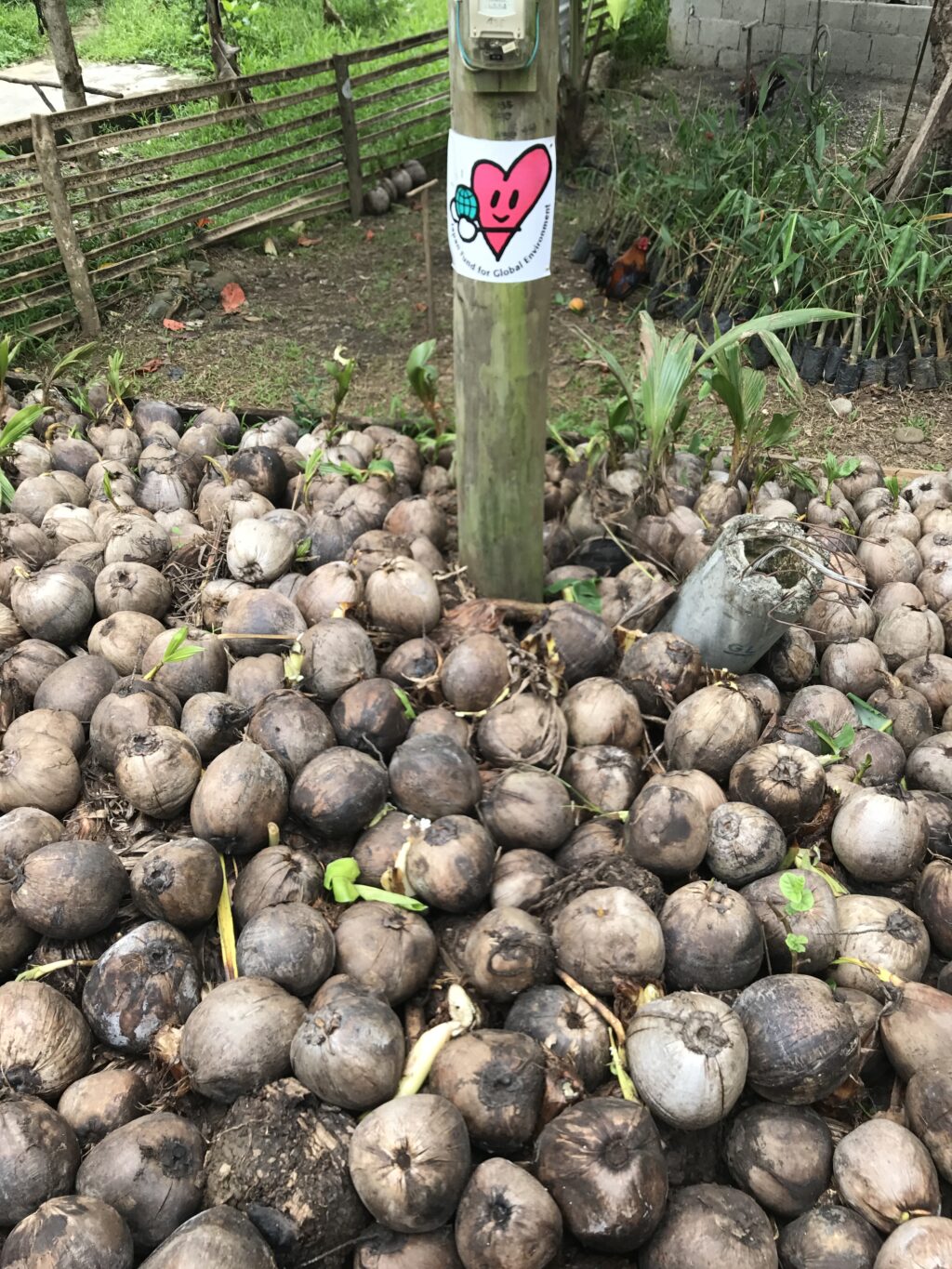
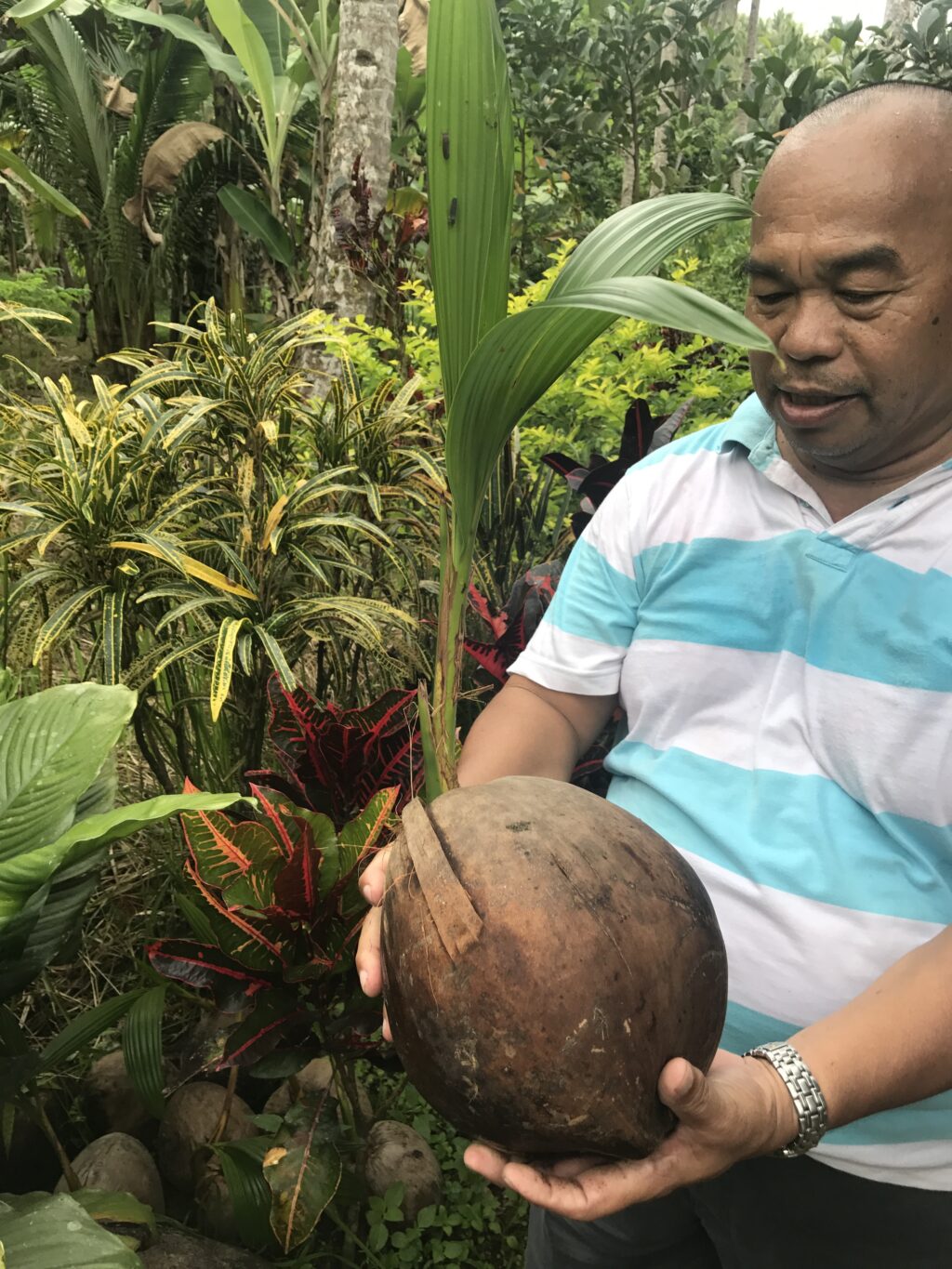
Seedlings were planted to support environmental recovery, soil protection, and future sources of income.
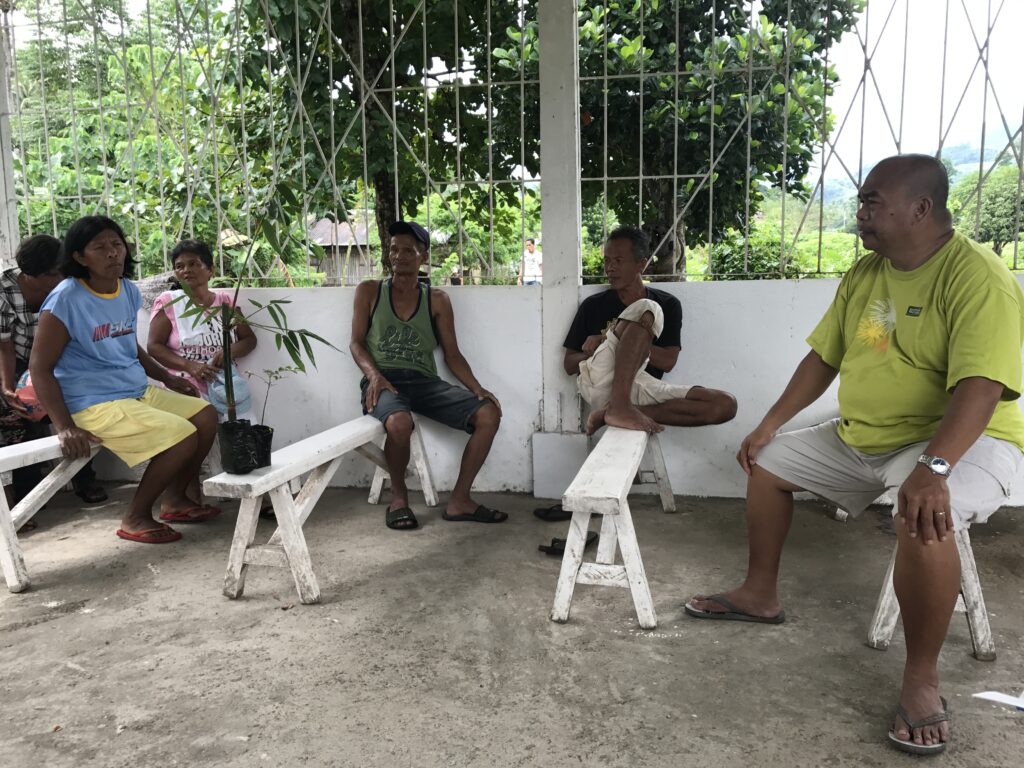
Demonstration farms helped farmers learn from actual examples and spread knowledge from farmer to farmer.
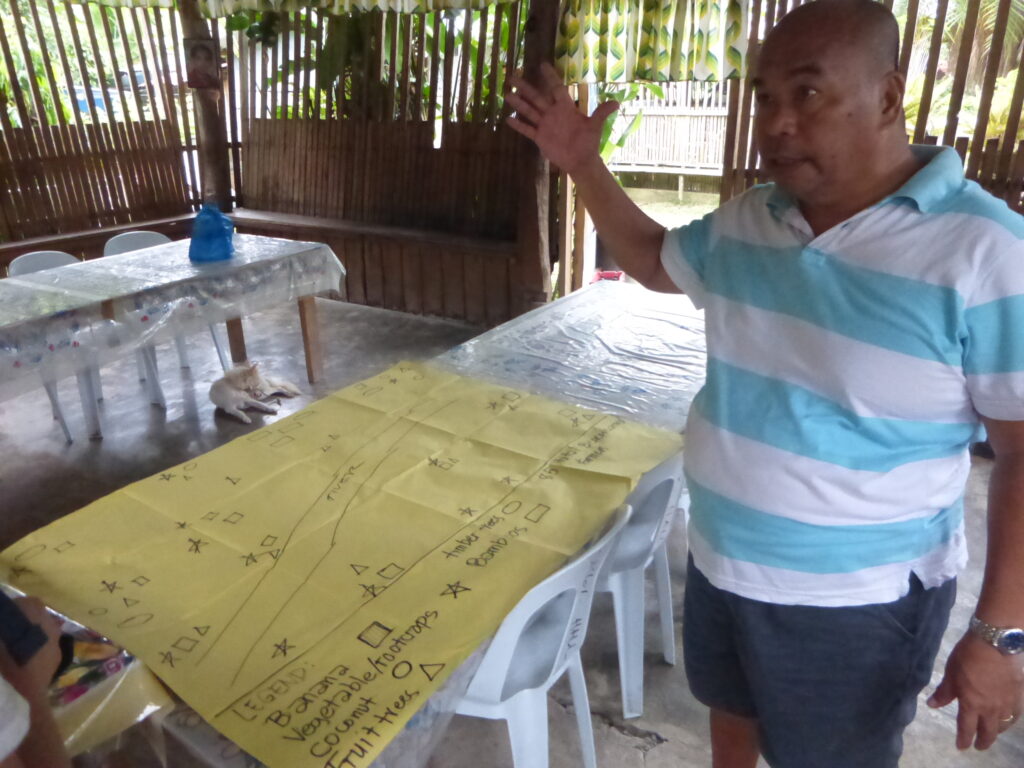
The project supported the development of a local organization that could manage and continue activities after the project.
The project created a foundation for agroforestry in the local community by combining training, planting, home gardens, demonstration farms, and community organization. The most important result was not only the planting itself, but also the development of a local structure for continuation.
One of the most important steps in the project was the transfer of activities to WACCA, a local farmers’ organization. This transfer helped shift the project from external support to community-led continuation.
WACCA was expected to support the continuation of demonstration farms, farmer-to-farmer learning, product marketing, local coordination, and community-based environmental restoration. This made the project more sustainable beyond the original grant period.
Agroforestry is a long-term process. Trees and fruit crops need time to grow, and farmers need continued support to manage their fields, improve productivity, and connect agricultural products to local markets.
The project also highlighted the importance of product processing, storage, and marketing. For farmers to gain stable income from agroforestry, community organizations need to continue developing practical ways to add value to crops and reach local markets.
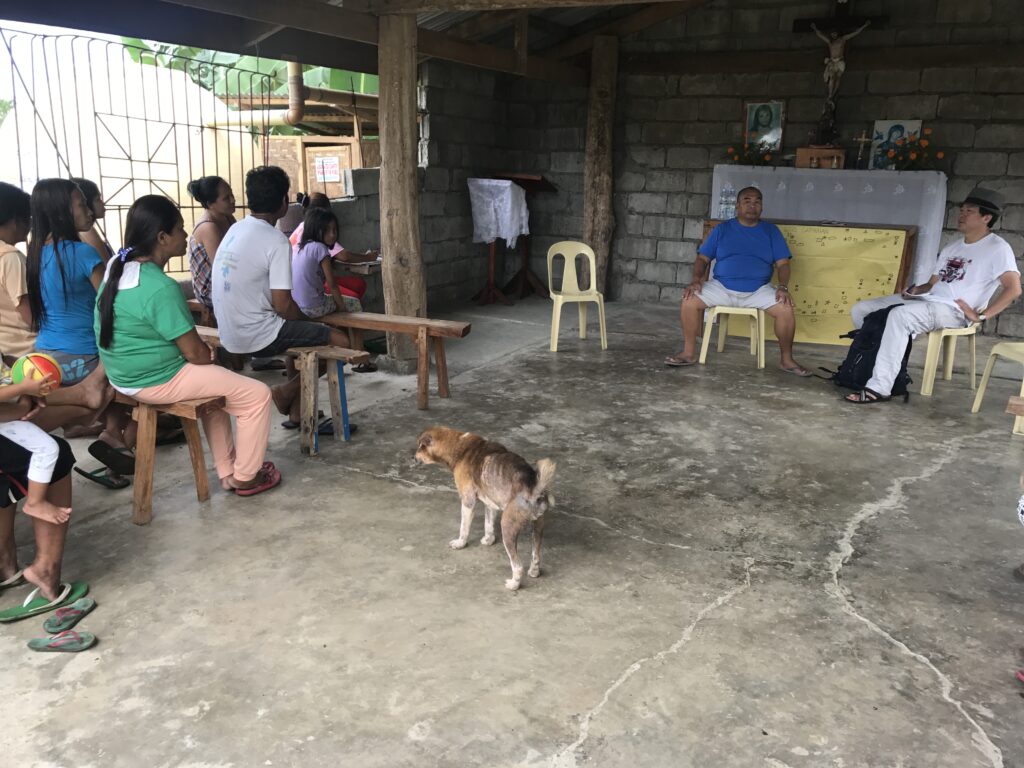
These photos show farmer training, seedling preparation, home gardens, field activities, community meetings, and the gradual transfer of the project to local leadership.
Detailed reports are organized by year. You can follow the project from the preparation stage to project launch, activity expansion, and the transfer to local community leadership.
Field surveys, farmer interviews, local needs assessment, and project preparation in Albuera, Leyte.
Farmer surveys, agroforestry training, seedling distribution, initial planting, and demonstration farm preparation.
Additional demonstration farms, home gardens, livestock support, farmer-to-farmer learning, and community organization development.
Transfer of agroforestry activities to WACCA for ongoing farmer training, product marketing, and local environmental restoration.
This project was an important step in HHHJapan’s environmental and international cooperation activities. It connected disaster recovery, farmer support, environmental restoration, community learning, and long-term local sustainability.
Through this experience, HHHJapan strengthened its commitment to agroforestry, climate change adaptation, and community-based support in rural areas affected by natural disasters.
You can also visit the overall agroforestry page and other grant project pages to learn more about HHHJapan’s environmental activities.