
2017 Activity Report
Expansion of Demonstration Farms, Home Gardens, and Community Activities
In 2017, the Japan Fund for Global Environment agroforestry project expanded its field activities in Albuera, Leyte. Demonstration farms, home gardens, farmer-to-farmer learning, livestock support, and community organization development became more active.
After the project launch and initial planting in 2016, the next step was to help farmers continue practicing agroforestry in their own fields and share their experience with others. The project also worked to strengthen community-based systems for long-term continuation.
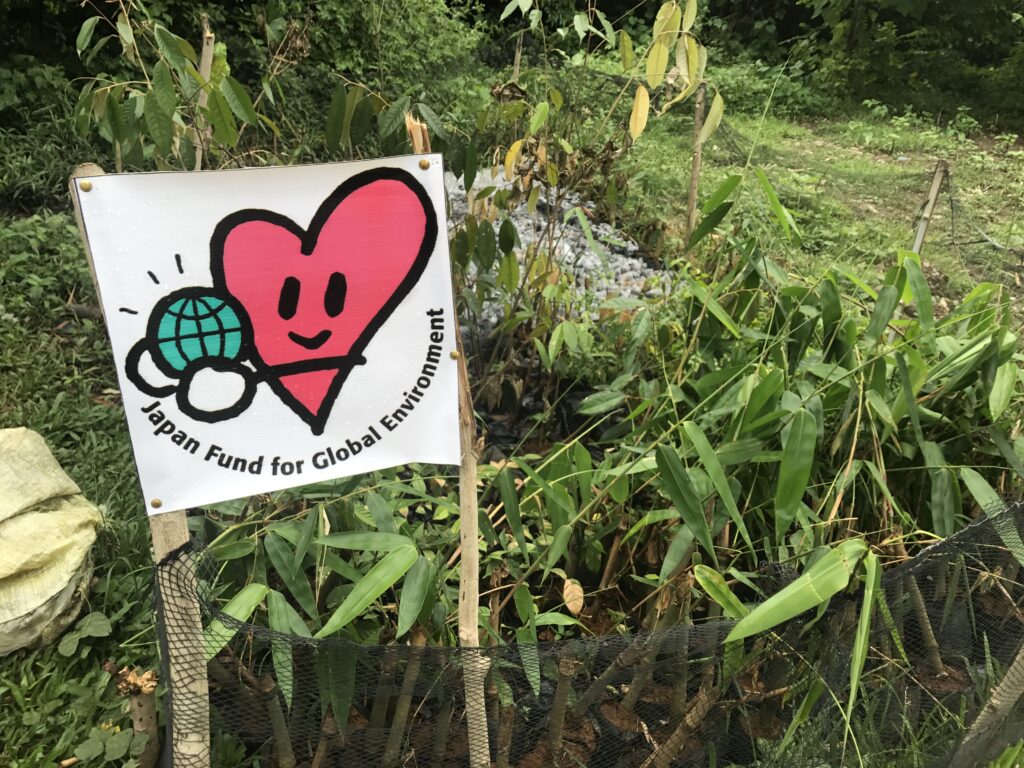
Role of the 2017 Activities
The 2017 stage was an expansion period. The project moved beyond initial training and planting and focused on making agroforestry more visible, practical, and community-based.
Farmers began to learn more from actual field examples. Demonstration farms, home gardens, and local meetings helped connect training with practical action. This year also prepared the project for the later transfer of activities to WACCA, a local farmers’ organization.
Main Activities in 2017
In 2017, the project strengthened the practical side of agroforestry. Farmers were encouraged to apply what they had learned, maintain their planting areas, develop home gardens, and participate in local activities.
Expansion of Demonstration Farms
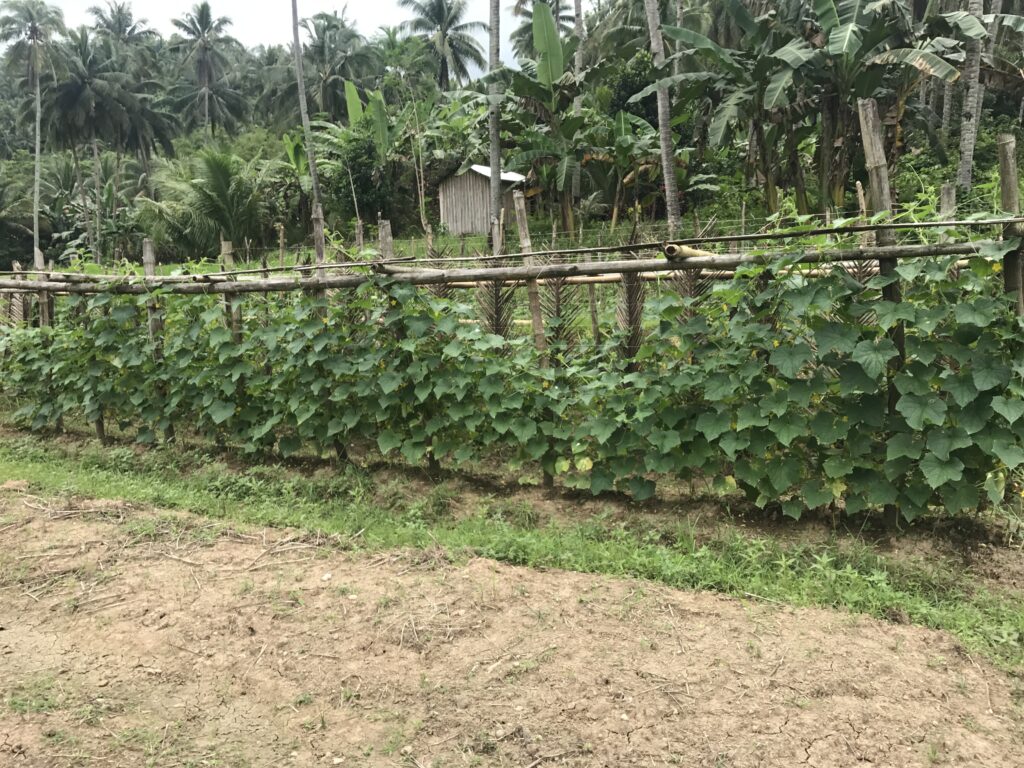
Demonstration farms became increasingly important in 2017. These farms allowed local farmers to see agroforestry methods in actual practice, rather than only learning through classroom-style training.
By observing real fields, farmers could better understand how to combine trees, crops, and home garden activities. Demonstration farms also helped encourage farmer-to-farmer learning, where experienced farmers could share knowledge with neighbors.
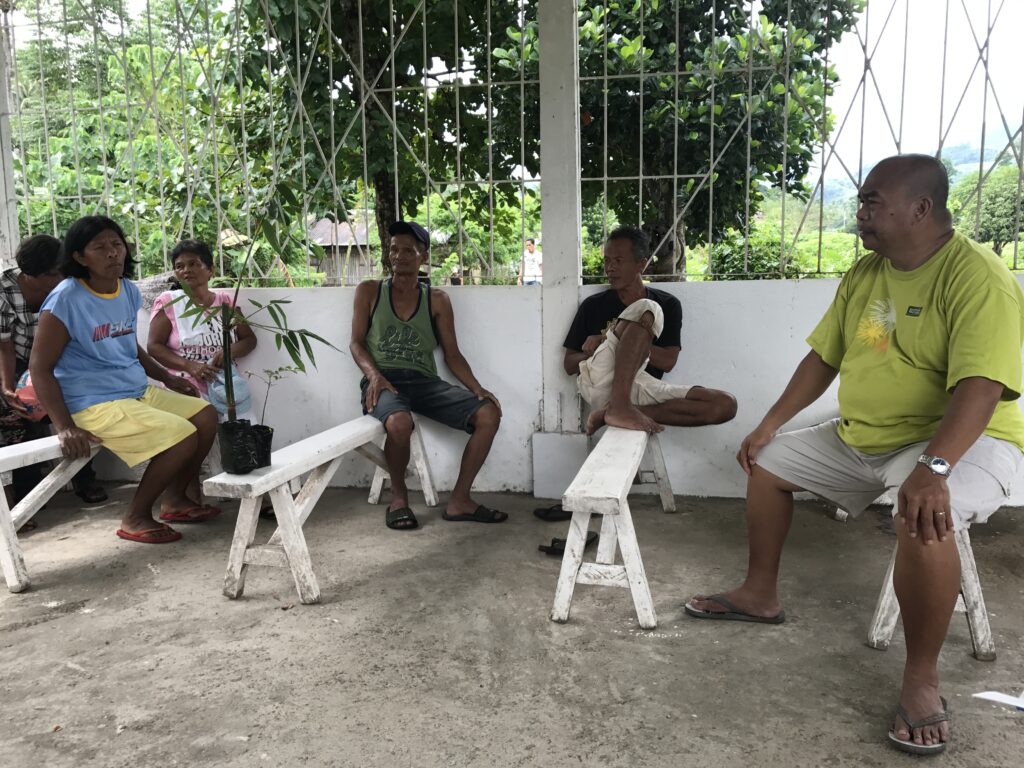
Home Gardens and Food Security
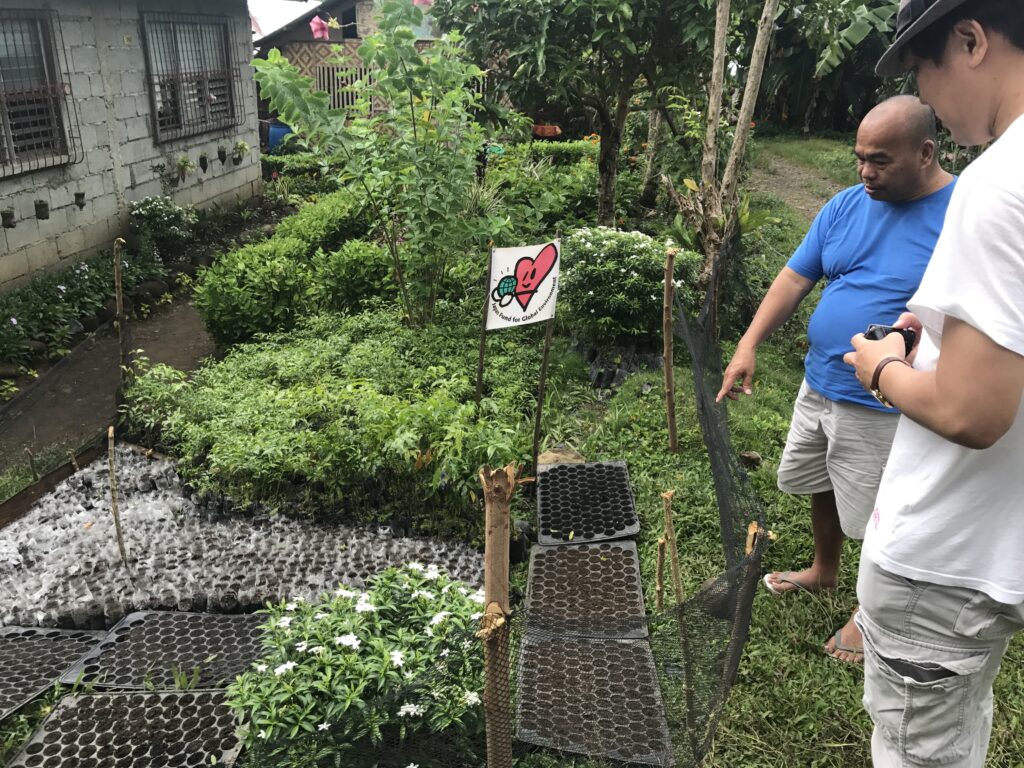
Home garden activities were expanded to support household food security. While trees and fruit crops require time to grow, vegetables can provide food more quickly and help families meet daily needs.
Home gardens also gave farmers a practical way to apply agroforestry principles near their homes. By growing vegetables and other crops, families could improve food availability and gain experience in diversified farming.
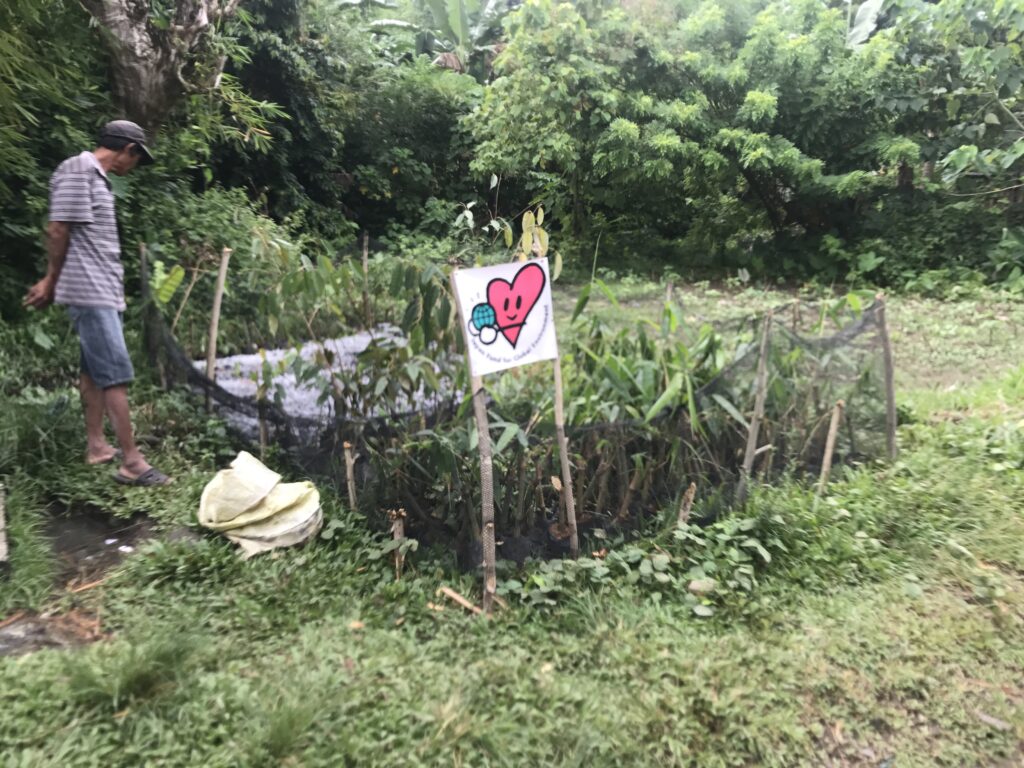
Farmer-to-Farmer Learning
One of the central ideas of the project was that farmers could learn effectively from other farmers. In 2017, demonstration farms and community activities helped strengthen this approach.
When farmers see their neighbors trying new methods, they can ask practical questions, observe results, and adapt ideas to their own fields. This makes learning more local, realistic, and sustainable.
Learning from Practice
Farmers could observe real examples of agroforestry and home garden activities in their own community.
Sharing Local Experience
Farmers who had started practicing agroforestry could share their experience with other farmers nearby.
Continuing After the Project
Farmer-to-farmer learning helped create a foundation for activities to continue beyond external support.
Livestock Support and Diversified Farming
Livestock support was also connected to the idea of diversified farming. By combining crops, trees, vegetables, and livestock, farmers could reduce dependence on a single source of income and use local resources more effectively.
Livestock can also support soil improvement when manure is used as organic fertilizer. This kind of resource circulation is important for sustainable farming and environmental recovery.
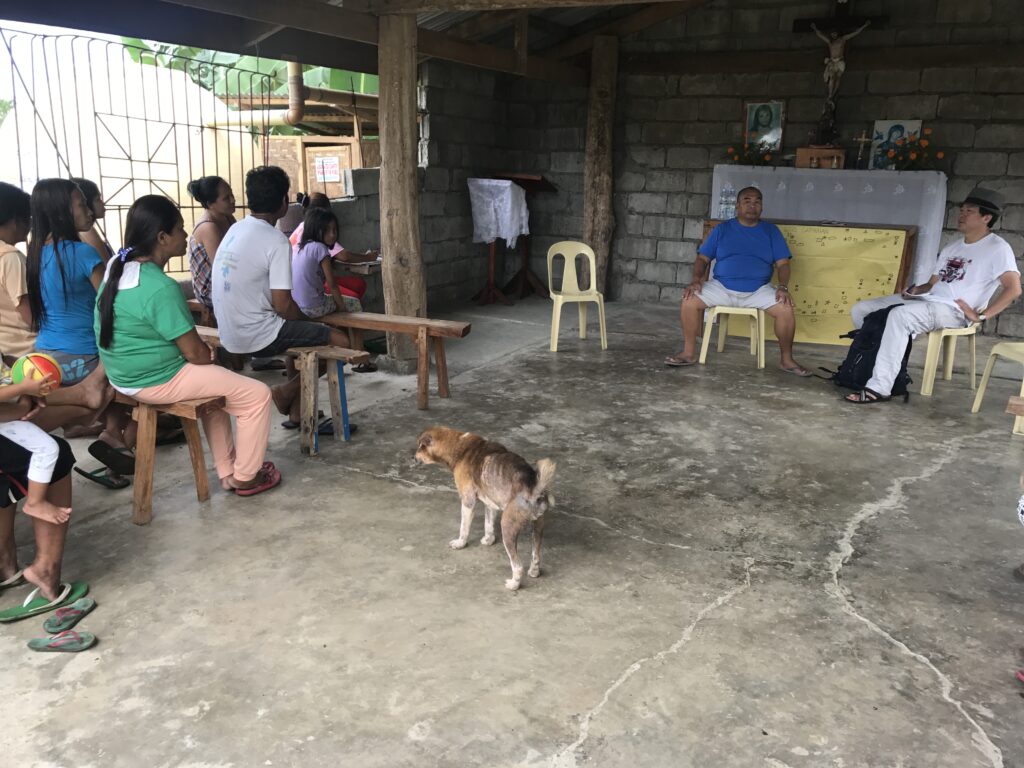
Community Organization Development
As the project expanded, community organization became increasingly important. Agroforestry activities require long-term maintenance, coordination, and shared responsibility among local farmers.
In 2017, the project helped strengthen local cooperation so that farmers could work together, share knowledge, manage activities, and prepare for community-led continuation.
Product Development and Local Marketing Preparation
As farmers began to grow more crops and develop home gardens, the project also needed to consider how agricultural products could be used, processed, or sold. Environmental recovery and livelihood improvement are closely connected.
Product development and local marketing would become important for helping farmers gain income from their activities. This also prepared the way for WACCA to support product marketing and community-led continuation in the following stage.
Strengthening Local Continuity
The 2017 activities helped prepare the project for a more community-led model. The project team supported farmers not only through training and materials, but also by encouraging local ownership.
This was important because agroforestry requires years of continued care. Trees must be maintained, home gardens need ongoing effort, and community organizations must remain active. The project therefore moved toward a structure where local farmers could gradually take more responsibility.
2017 Activity Flow
The 2017 activities followed a natural expansion process: strengthening demonstration farms, supporting home gardens, encouraging farmer-to-farmer learning, and developing community organization.
Expand Demonstration Farms
More practical field examples helped farmers understand how agroforestry could be applied in real farming conditions.
Support Home Gardens
Vegetable cultivation helped households improve food security and gain practical farming experience.
Encourage Farmer-to-Farmer Learning
Local farmers shared experience and knowledge through demonstration farms and community interaction.
Prepare for Community Continuation
Community organization activities helped prepare the transfer of project activities to local leadership.
2017 Activity Photos
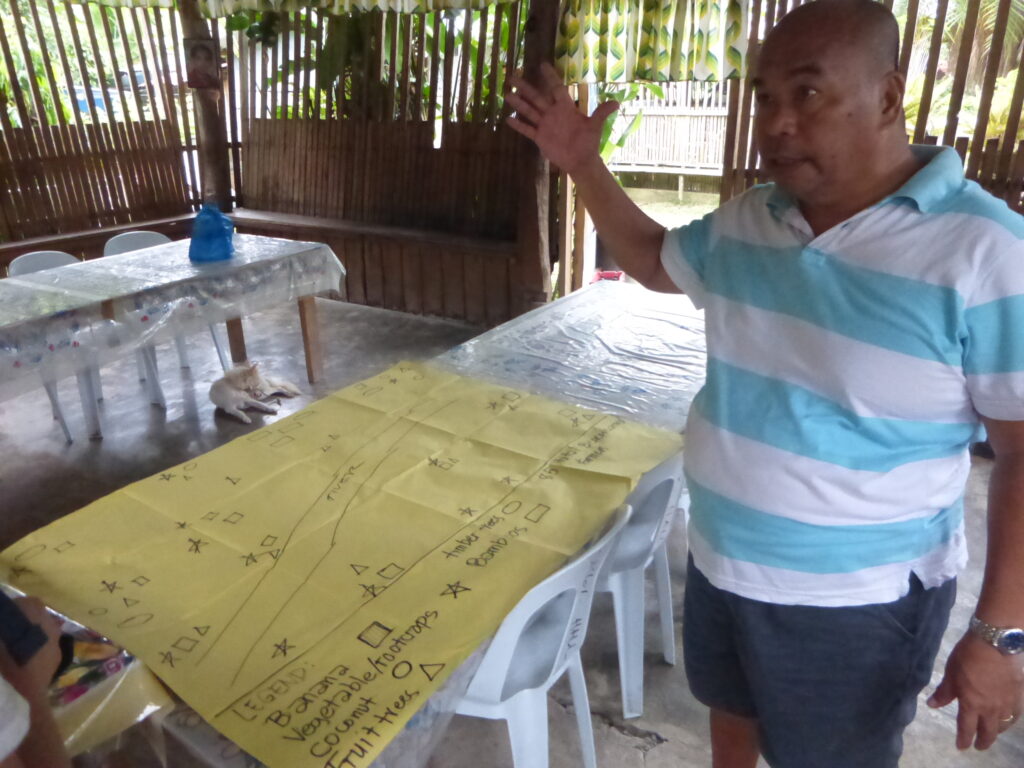
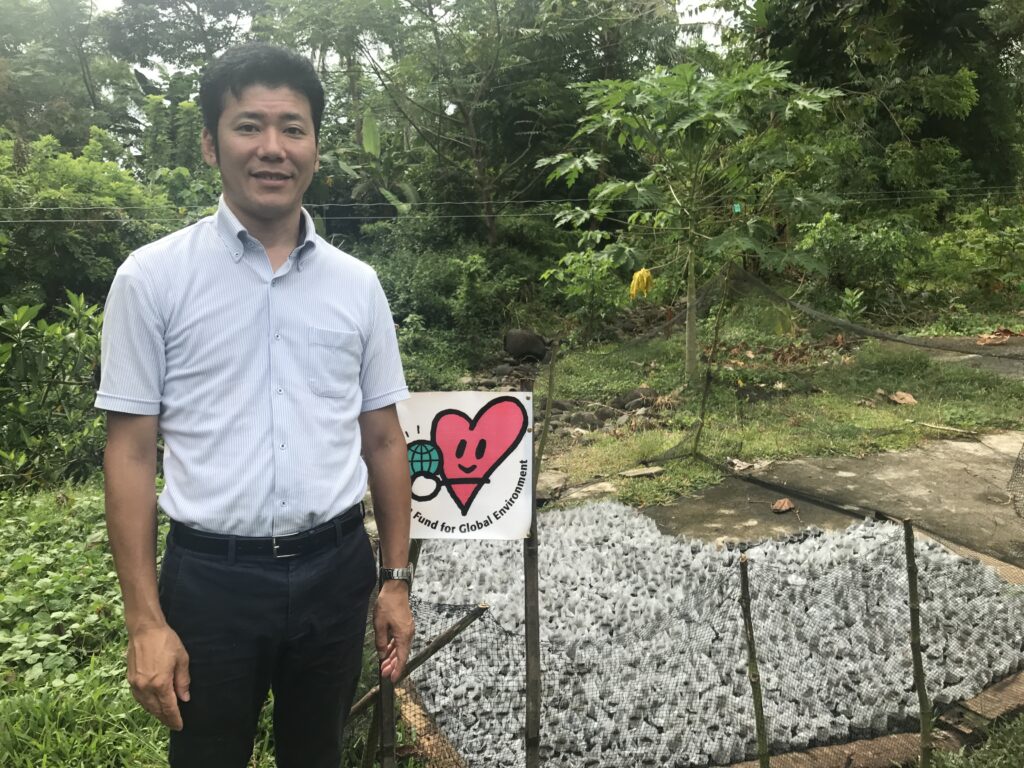
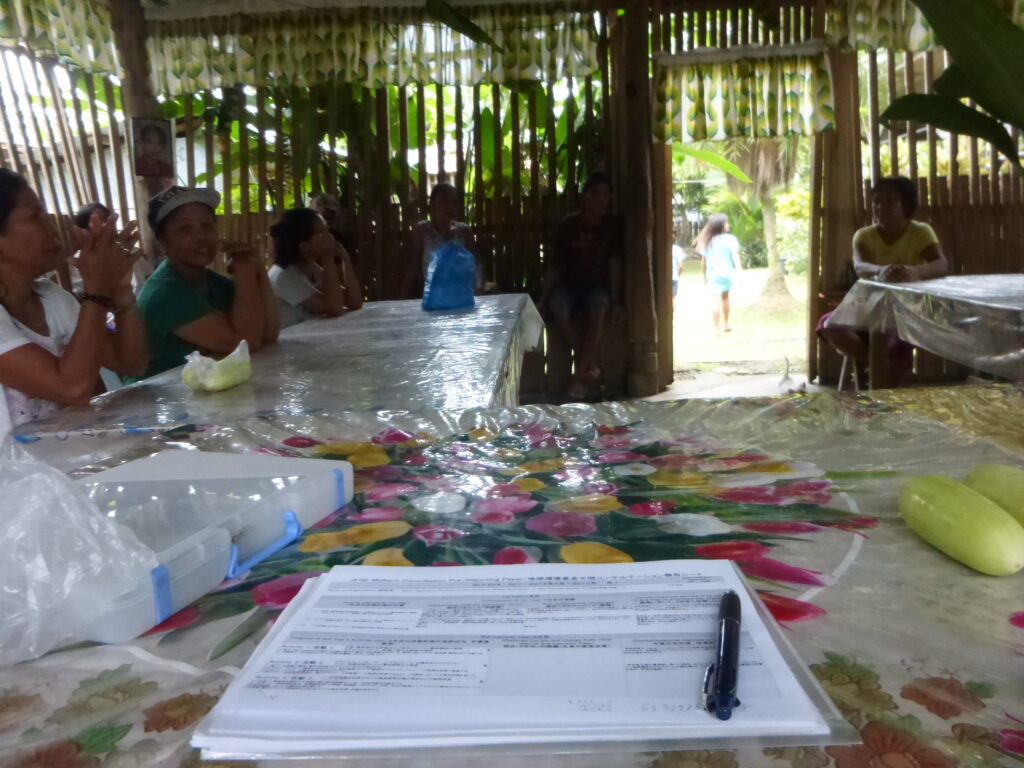
These photos show demonstration farms, home gardens, local products, and community activities that supported the expansion of the agroforestry project in 2017.
Summary of the 2017 Stage
The 2017 stage helped expand agroforestry from initial training and planting into wider community practice. Demonstration farms, home gardens, farmer-to-farmer learning, livestock support, and local organization development all supported the goal of community-based continuation.
This stage prepared the project for the 2018 transfer to WACCA, a local farmers’ organization that would continue demonstration farms, training, product marketing, and environmental restoration activities.
Annual Report Pages
The Japan Fund for Global Environment project is organized into annual report pages so readers can follow the project from preparation to implementation, expansion, and community-led continuation.
Community Survey and Project Preparation
Field surveys, farmer interviews, local needs assessment, and project preparation in Albuera, Leyte.
Project Launch and Initial Tree Planting
Farmer surveys, agroforestry training, seedling distribution, initial planting, and demonstration farm preparation.
JFGE Agroforestry Project Top
The parent page summarizes the full background, activities, results, and significance of the project.
Transfer to WACCA
Transfer of agroforestry activities to a local farmers’ organization for continuing farmer training and environmental restoration.
Next Report
The next report introduces the 2018 activities, including the transfer of agroforestry activities to WACCA for community-led continuation, product marketing, farmer training, and environmental restoration.