
2018 Activity Report
Transfer to WACCA and Community-Led Continuation
In 2018, the agroforestry activities supported by the Japan Fund for Global Environment were transferred to WACCA, a local farmers’ organization. This transfer aimed to help local farmers continue demonstration farms, farmer training, product marketing, and community-led environmental restoration.
After several years of surveys, training, planting, home gardens, demonstration farms, and community activities, the project entered a stage where local ownership became the central theme. The goal was to make the activities continue within the community after the external project period.
Role of the 2018 Activities
The 2018 stage was the final and transition stage of the project. The focus shifted from implementing activities directly to supporting a local farmers’ organization that could continue the work.
WACCA became an important local base for continuing demonstration farms, farmer-to-farmer learning, product development, local marketing, and environmental restoration. This transition was essential because agroforestry requires many years of continued care.
Main Activities in 2018
In 2018, the project focused on strengthening local continuity. The activities supported WACCA’s role as a local organization and helped connect agroforestry practice with farmer training, product development, and community-based environmental restoration.
Transfer to WACCA
One of the most important steps in 2018 was the transfer of project activities to WACCA. This local farmers’ organization was expected to continue agroforestry-related activities and support farmers after the project period.
This transfer helped move the project from outside support toward community-led management. WACCA could become a local platform for training, coordination, product marketing, and continued environmental restoration.
Continuing Demonstration Farms
Demonstration farms remained important in the final stage. They served as practical learning sites where farmers could see how agroforestry, home gardens, and diversified farming could be applied in real fields.
After the transfer to WACCA, these demonstration farms could continue to function as local examples. They also supported farmer-to-farmer learning by allowing experienced farmers to share their practices with others in the community.
Farmer Training and Local Leadership
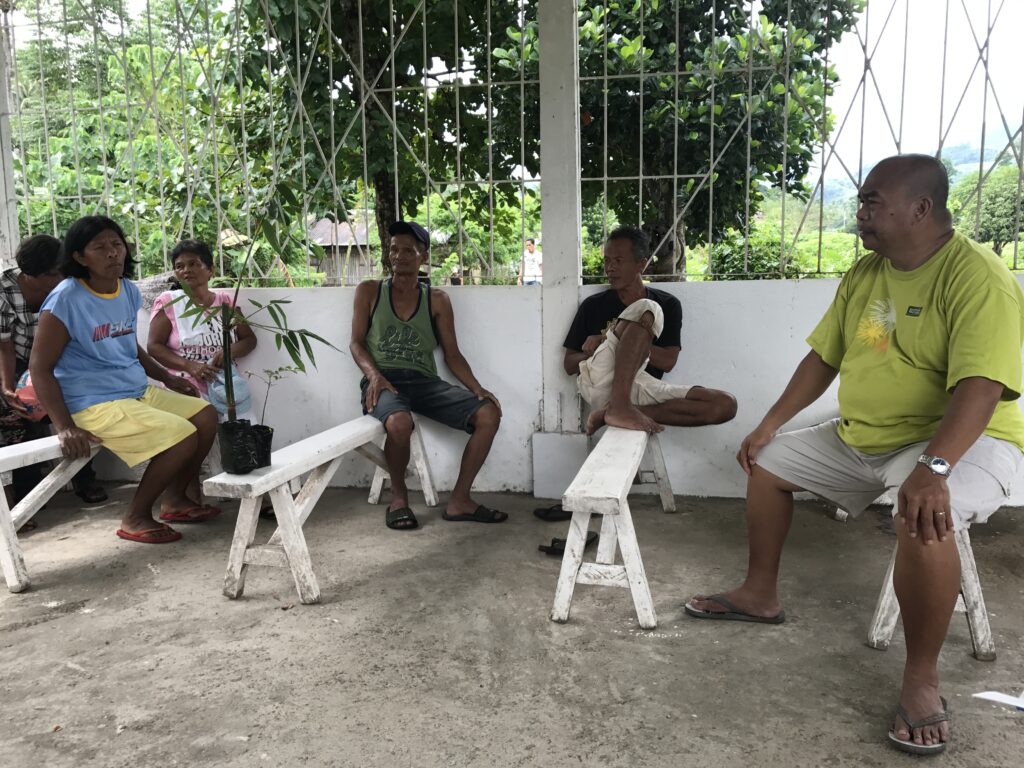
Training and leadership development were important for the long-term continuation of the project. WACCA and local farmers needed to manage activities, share knowledge, support field practices, and help other farmers continue agroforestry methods.
Local leadership is especially important for agroforestry because the results appear slowly over time. Farmers need continued guidance, encouragement, and practical examples as trees, crops, and home gardens develop.
Local Trainers
Experienced farmers and local leaders could help other farmers understand practical agroforestry methods.
Shared Responsibility
Community-based management helped move activities beyond one-time support and toward local ownership.
Long-Term Care
Seedlings, home gardens, and demonstration farms require continued attention after the project period.
Product Development and Marketing
For farmers to benefit economically from agroforestry, product development and marketing are important. Vegetables, fruits, processed products, and other farm outputs need practical routes to local markets.
In the final stage, the project considered how WACCA could support product marketing and help farmers add value to their crops. This was a key step in connecting environmental restoration with livelihood improvement.
Home Gardens and Household Food Security
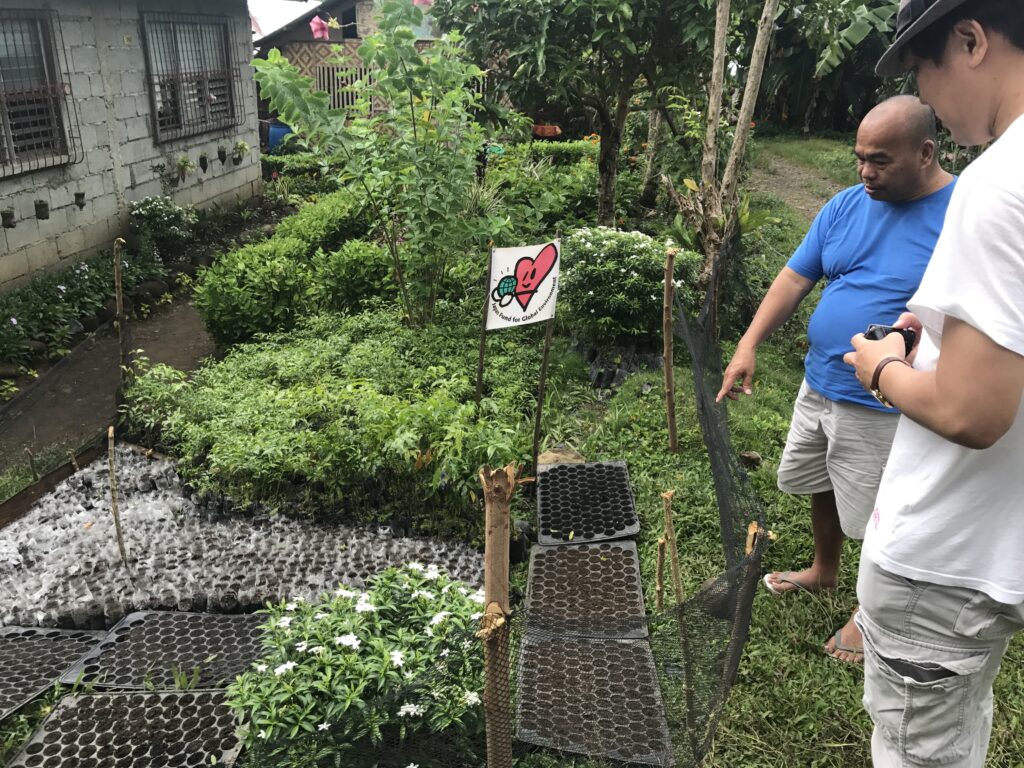
Home gardens continued to be an important part of the project’s approach. They supported household food security and gave families practical experience with diversified cultivation.
While trees and fruit crops take time to mature, vegetables and home gardens can support families more quickly. This balance between short-term and long-term benefits is one of the strengths of agroforestry.
Community-Based Environmental Restoration
The project was not only about planting trees. It was also about helping a community build the knowledge, organization, and motivation needed to restore its own environment over time.
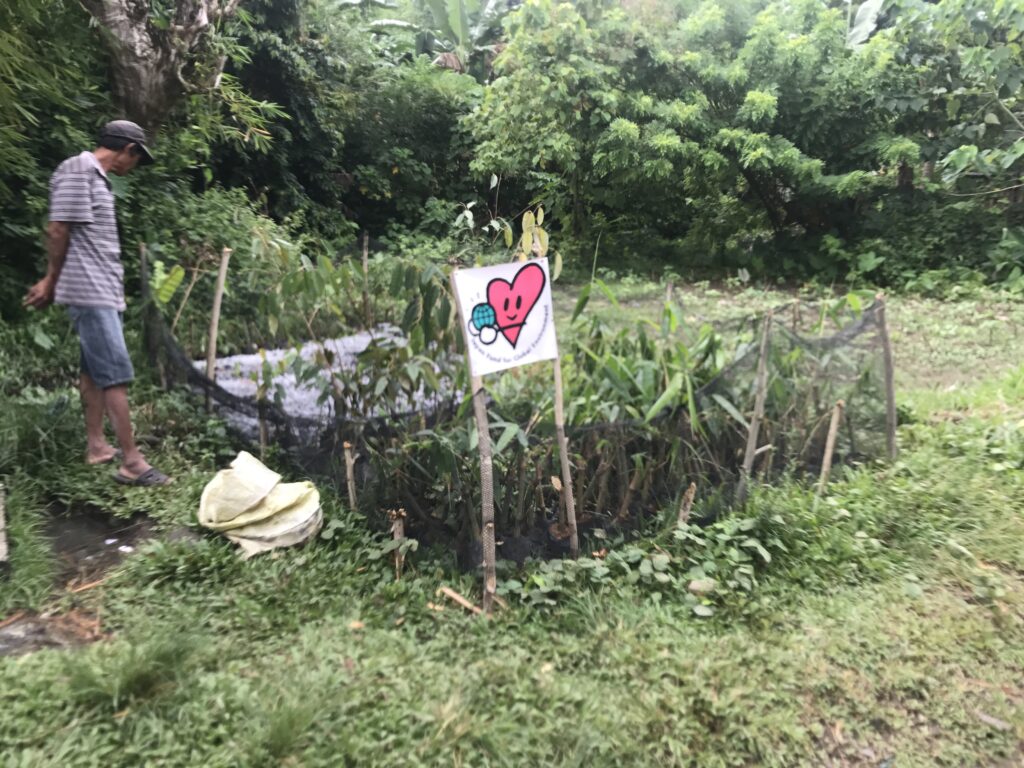
By transferring activities to WACCA, the project aimed to keep environmental restoration rooted in the local community. This included maintaining planted trees, continuing home gardens, sharing knowledge among farmers, and exploring local product marketing.
Challenges After the Transfer
The transfer to a local organization was an important achievement, but it also brought challenges. WACCA needed to continue farmer training, manage local coordination, maintain demonstration farms, and explore product marketing with limited resources.
Agroforestry is a long-term process. Trees must be protected, farmers need continued motivation, and community organizations need steady support. The project showed that community-led continuation is possible, but it requires time, leadership, and local cooperation.
2018 Activity Flow
The 2018 activities followed a transition process: strengthening local leadership, transferring activities to WACCA, continuing demonstration farms, and preparing for long-term community management.
Strengthen Local Leadership
The project supported local farmers and community members who would continue agroforestry activities.
Transfer Activities to WACCA
Agroforestry-related activities were transferred to a local farmers’ organization for continued management.
Continue Demonstration Farms
Demonstration farms remained practical sites for farmer-to-farmer learning and local knowledge sharing.
Prepare for Long-Term Continuation
The project encouraged product development, marketing, training, and local coordination beyond the grant period.
2018 Activity Photos
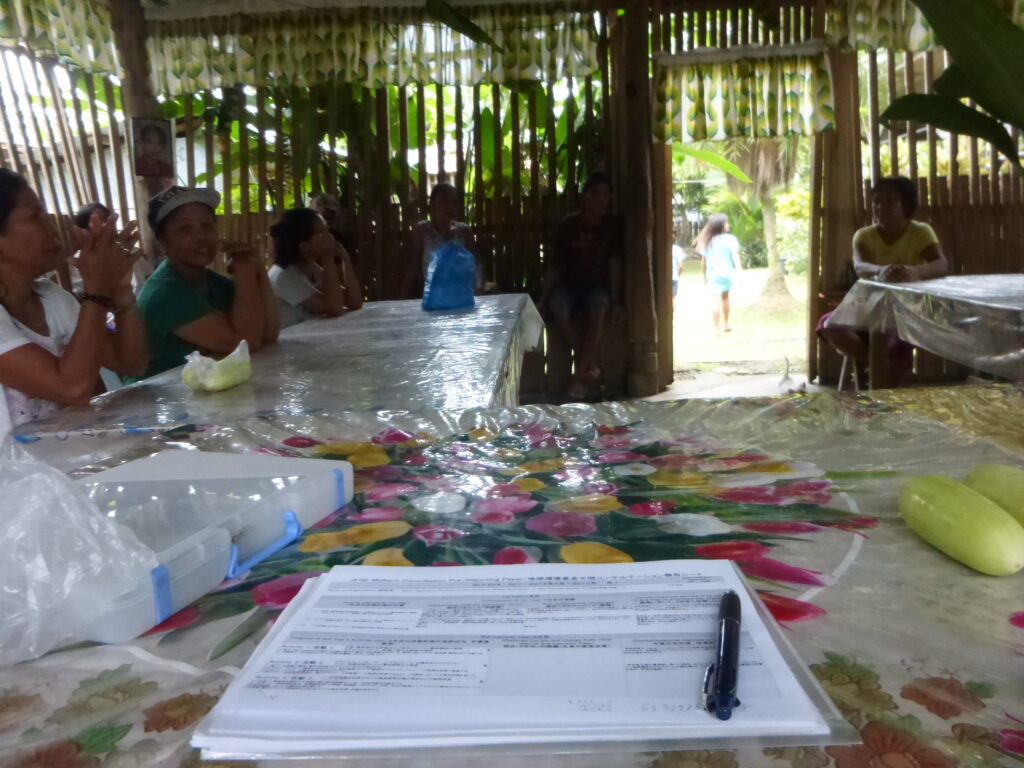
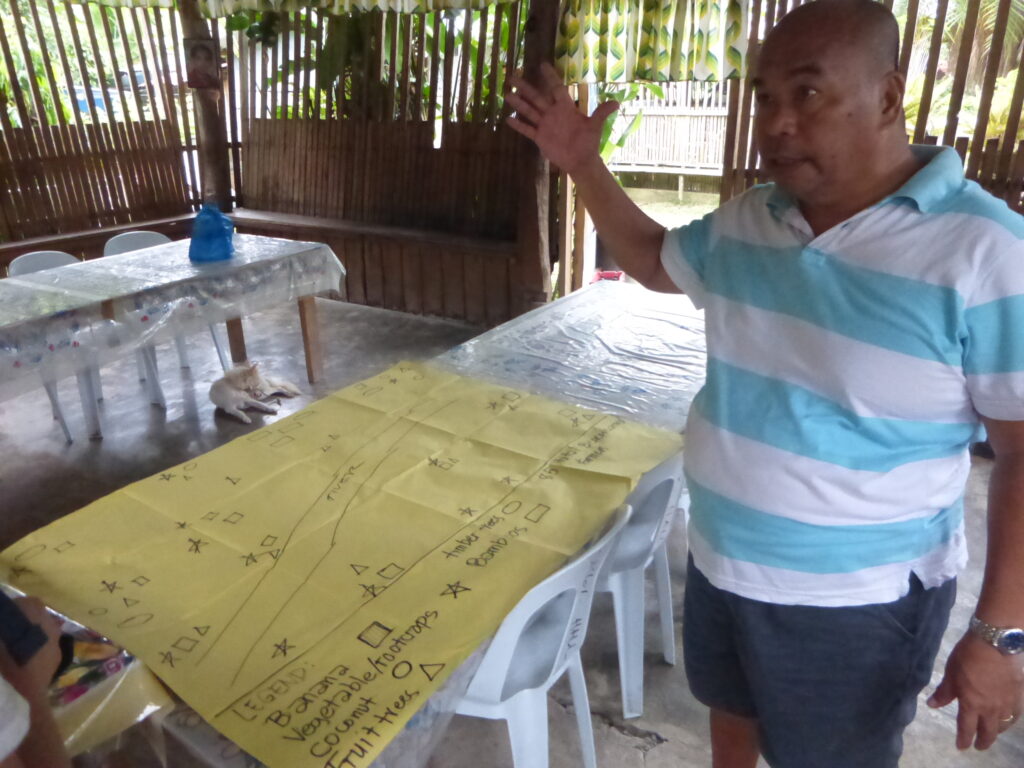
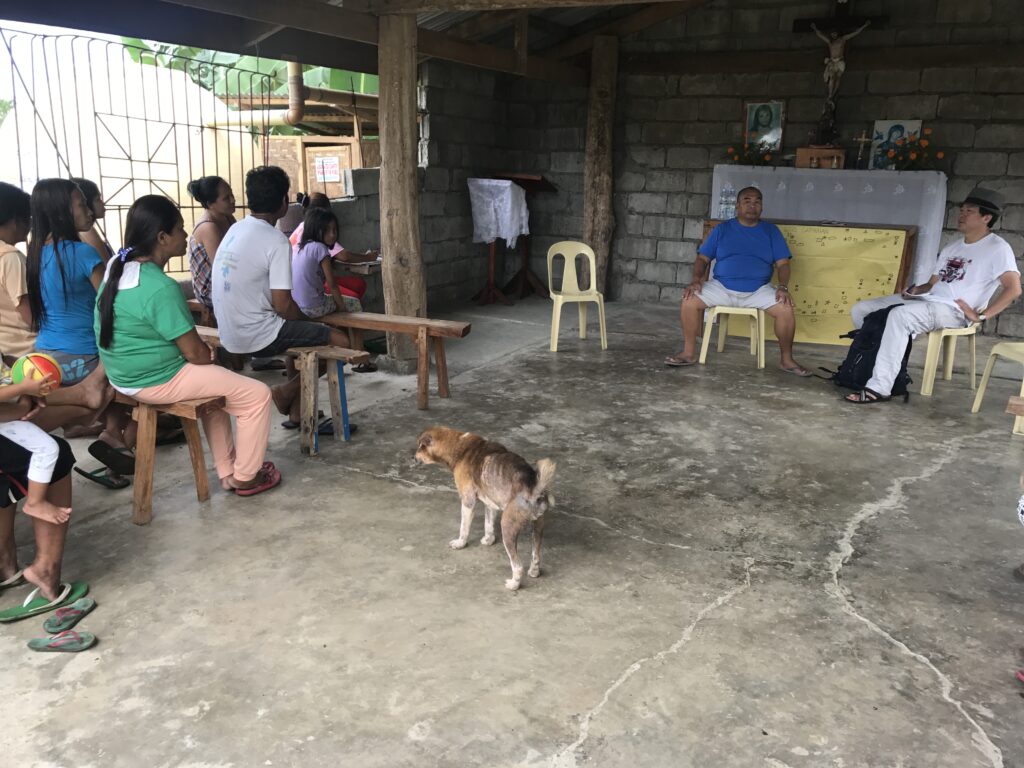
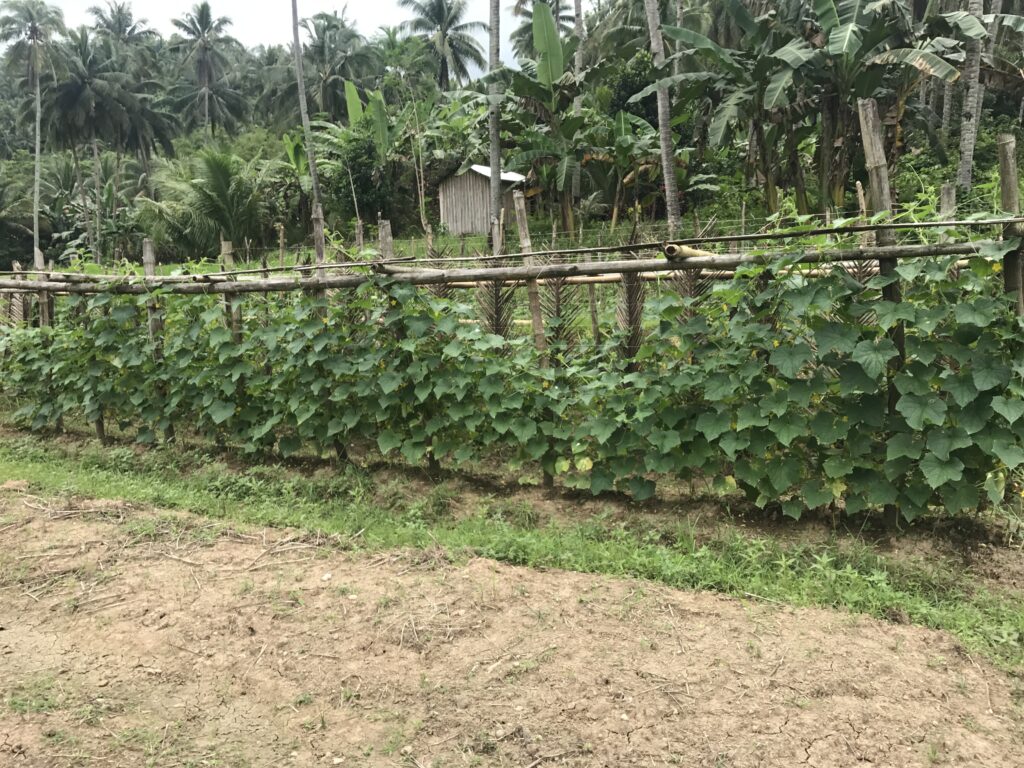
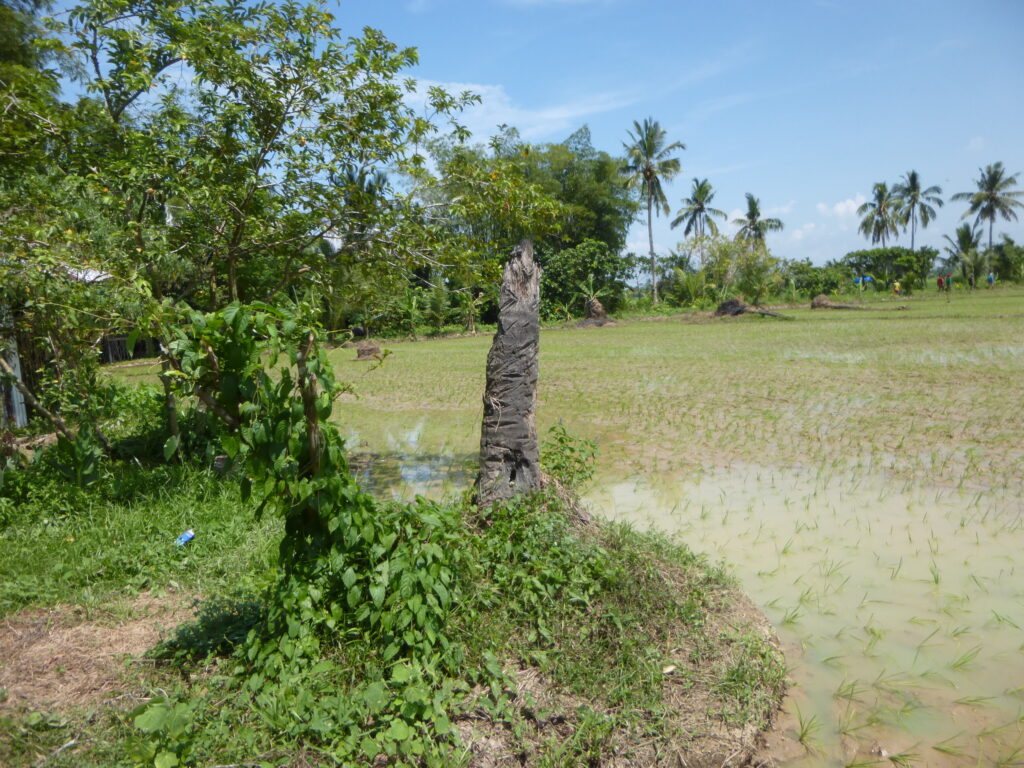
These photos show community meetings, demonstration farm continuation, home gardens, local products, and field activities connected to the transfer to WACCA.
Project Summary
The Japan Fund for Global Environment agroforestry project supported communities in Albuera, Leyte through surveys, farmer training, seedling distribution, initial planting, demonstration farms, home gardens, livestock support, and community organization development.
The transfer to WACCA in 2018 was an important final step. It helped move the project toward local ownership and created a path for community-led continuation of agroforestry and environmental restoration.
Future Needs
After the project period, continued work is needed to maintain planted trees, develop home gardens, support product marketing, and strengthen community organization. The success of agroforestry depends on long-term care and local participation.
HHHJapan hopes that the experience gained through this project will continue to support future agroforestry, climate change adaptation, and community-based environmental activities.
Annual Report Pages
The Japan Fund for Global Environment project is organized into annual report pages so readers can follow the project from preparation to implementation, expansion, and community-led continuation.
Community Survey and Project Preparation
Field surveys, farmer interviews, local needs assessment, and project preparation in Albuera, Leyte.
Project Launch and Initial Tree Planting
Farmer surveys, agroforestry training, seedling distribution, initial planting, and demonstration farm preparation.
Expansion of Demonstration Farms
Additional demonstration farms, home gardens, livestock support, farmer-to-farmer learning, and community organization development.
JFGE Agroforestry Project Top
The parent page summarizes the full background, activities, results, and significance of the project.
Back to Project Top
You can return to the parent page to view the full overview of the Japan Fund for Global Environment agroforestry project.