Crowdfunding Practice, Typhoon Odette Relief and Environmental Support in the Philippines
In 2022, Helping Hands and Hearts Japan carried out a climate action internship connected to Typhoon Odette relief, environmental recovery and crowdfunding for communities in the Philippines.
The interns planned and communicated a crowdfunding project to support the creation of flower gardens in public spaces in affected communities. Through the activity, they learned how to research social issues, design a support project, communicate to potential supporters and think about environmental recovery after a disaster.
Overview of the 2022 Activity
The 2022 climate action internship focused on disaster recovery, environmental support and public communication. The activity was connected to communities in the Philippines affected by Super Typhoon Odette.
The interns worked on a crowdfunding project designed to support the creation of flower gardens in public spaces. The project aimed not only to provide environmental support, but also to help local communities regain color, hope and a sense of recovery after the typhoon.
Year2022
Activity TypeClimate action internship and crowdfunding practice
Main FieldsTyphoon relief, environmental recovery, flowers and public spaces
Local PartnerWAND Foundation and local municipal contacts
Background: Super Typhoon Odette
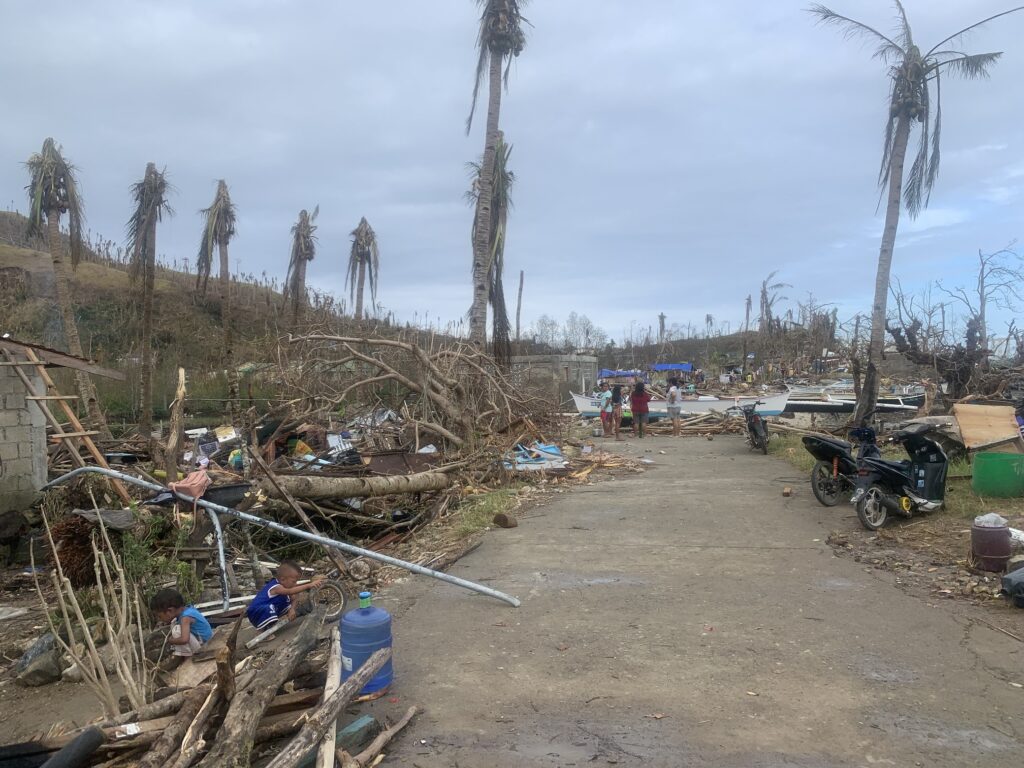
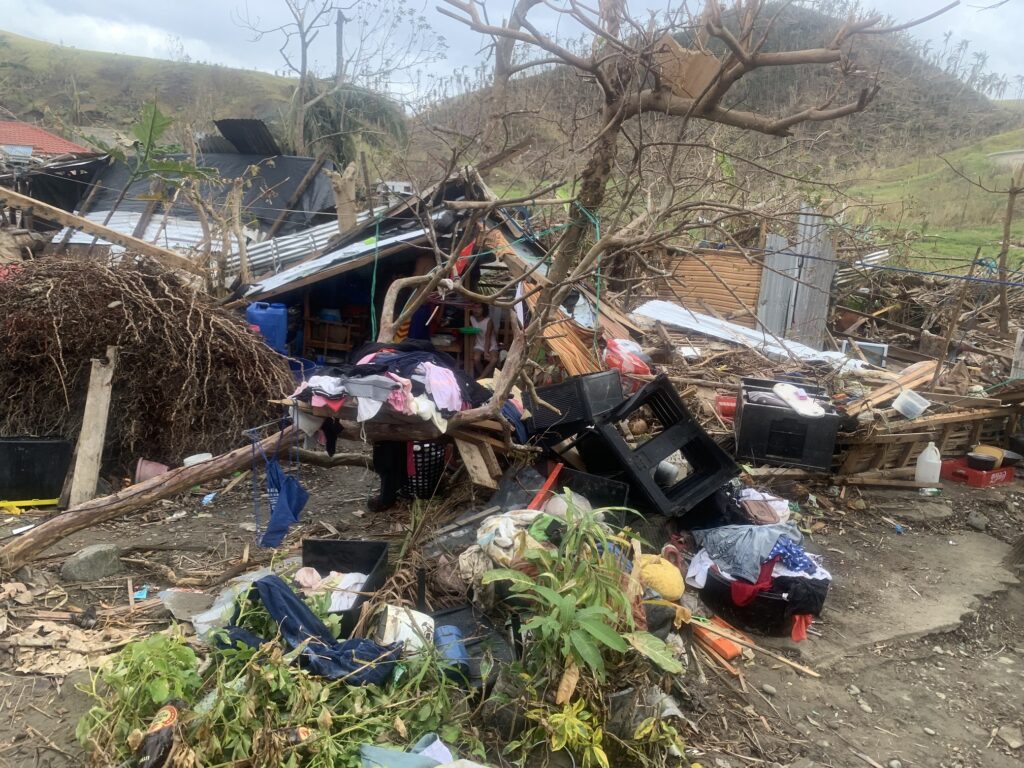
Super Typhoon Odette caused severe damage in parts of the Philippines. The internship activity was planned in response to the need for recovery and support in affected communities.
The interns learned that disaster recovery is not only about rebuilding buildings and infrastructure. Emotional recovery, environmental recovery and the restoration of public spaces are also important for communities that have experienced serious damage.
From Disaster Damage to Community Support
The project focused on supporting flower gardens in public spaces. Flowers may seem small compared with the scale of a disaster, but they can help bring color, comfort and hope back to communities. This idea became the basis of the crowdfunding project.
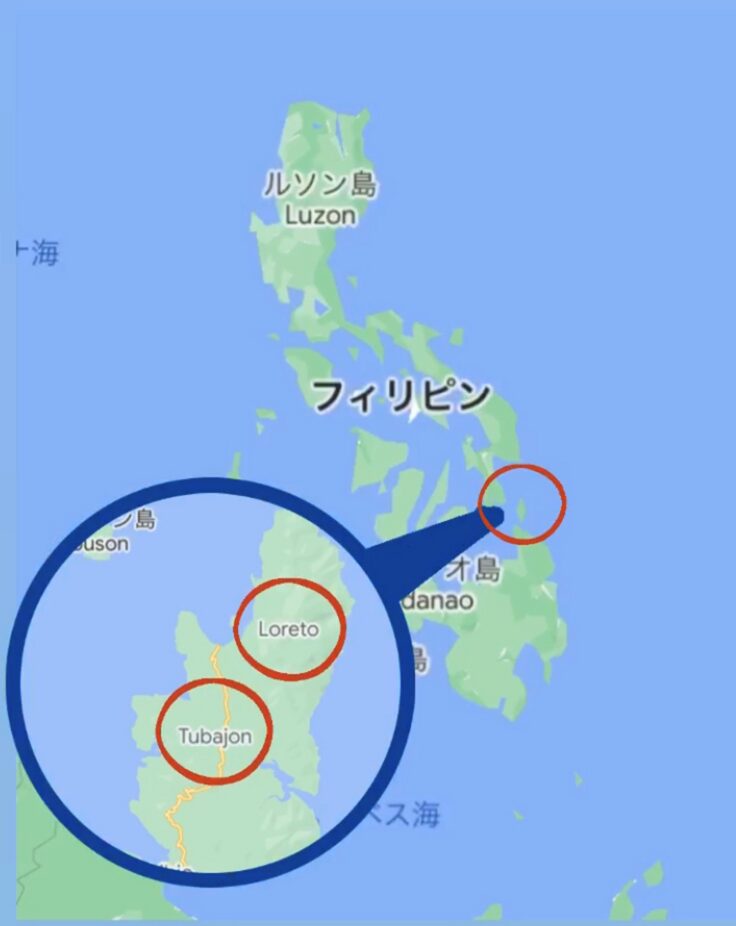
Planned Support Locations in the Dinagat Islands
In cooperation with the WAND Foundation, the project considered public spaces in the Dinagat Islands that had been affected by Typhoon Odette as potential locations for flower gardens.
The idea was to create small areas of color and greenery in spaces used by local residents, supporting both the recovery of the local environment and a more positive atmosphere during the rebuilding process.
Public space considered as a support location
Public space used by local residents
Area considered for a flower garden
Main Activity Contents
The 2022 internship included research, project planning, target setting, page structure design, message creation and crowdfunding communication.
Research on Typhoon Damage
The interns learned about Typhoon Odette and the situation in affected communities. They considered what kind of support would be meaningful after a major disaster.
Research on Super Typhoon Odette
Understanding damage in affected communities
Learning about recovery needs after disasters
Thinking about support from Japan
Flower Garden Support Project
The project aimed to support the creation of flower gardens in public spaces in the Philippines. The interns learned how environmental support can also become emotional and community support.
Flower garden support in public spaces
Environmental recovery after typhoon damage
Creating spaces of hope and comfort
Connecting flowers, community and recovery
Crowdfunding Planning
The interns worked on the structure and message of the crowdfunding project. They thought about how to explain the background, purpose and value of the project to supporters.
READYFOR crowdfunding planning
Target audience consideration
Page structure and message design
Communication to increase interest and support
Special Climate Change English Lessons
As part of the project, special English lessons related to climate change were also prepared. These lessons connected language learning with environmental awareness.
Climate change themed English lessons
Connecting English learning with social issues
Environmental communication through language education
Public outreach through educational activities
Flowers as Environmental and Emotional Support
The flower garden project was based on the idea that recovery is not only material, but also emotional and communal. After a disaster, public spaces can become symbols of hope when people see color and life return to their surroundings.
The Meaning of Flower Support
Flowers can help restore a sense of beauty, peace and community pride in damaged areas. Through this project, the interns learned how small environmental actions can carry emotional meaning and support the recovery of local communities.
Project Planning Process
The interns learned how a social support project is created by moving from research to planning, page creation and public communication.
1
Understanding the Issue
The interns researched typhoon damage and considered the needs of affected communities.
2
Designing the Project
They organized the idea of supporting flower gardens in public spaces as a concrete recovery project.
3
Creating the Message
They considered how to communicate the meaning of the project to people who might support it.
4
Sharing the Project
They learned how crowdfunding requires clear explanation, trust and continuous communication.
Activities in Photos
The following photos were used in the Japanese version of this activity page and show the background and context of the 2022 climate action internship.
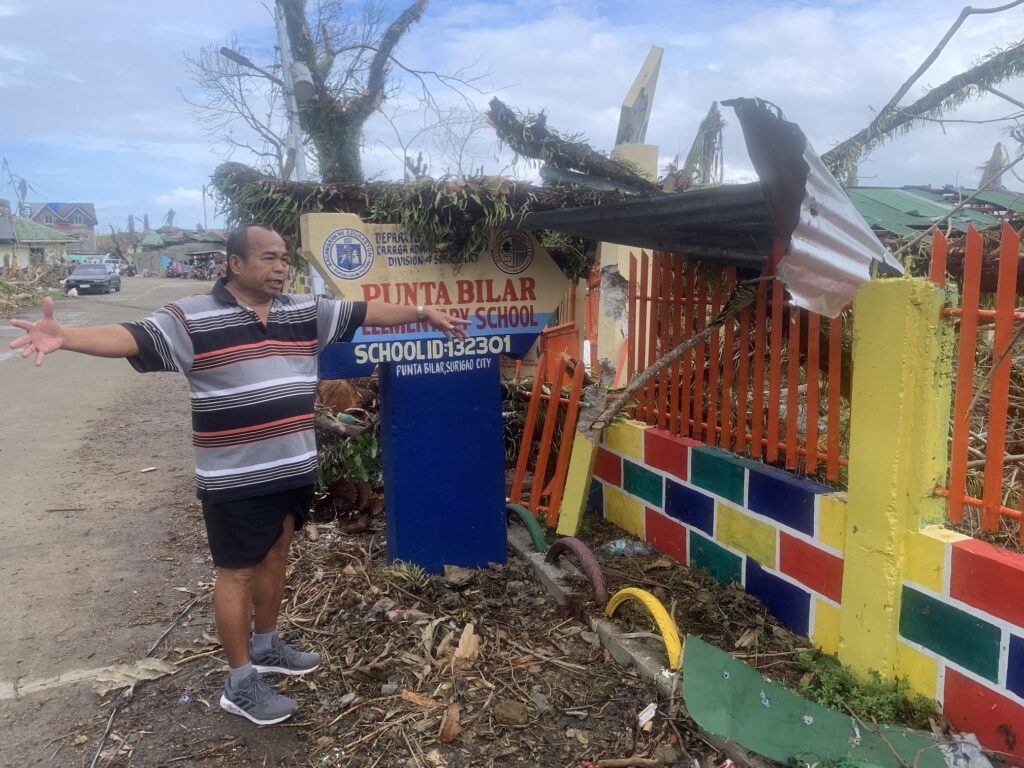
Area affected by Super Typhoon Odette
Disaster damage and the need for recovery support
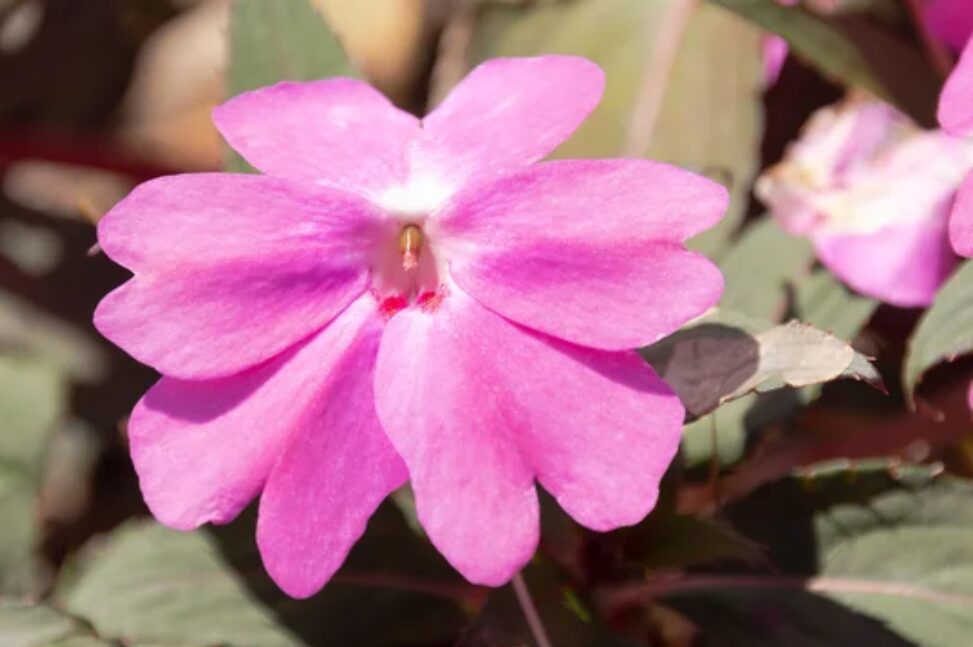
Flower support as a symbol of recovery and hope
Community environment connected to the support project
Public space connected to environmental support
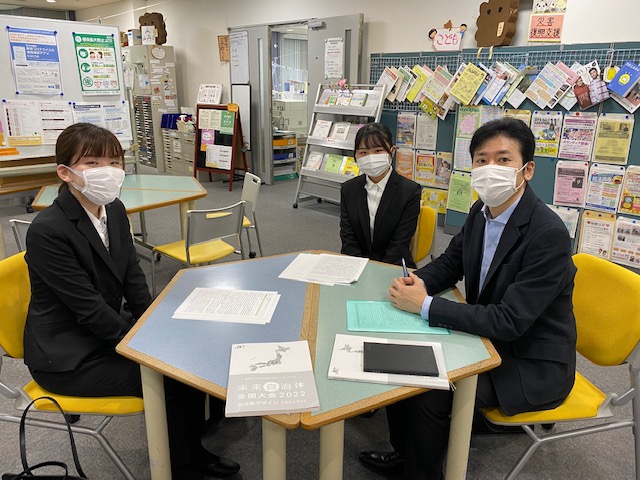
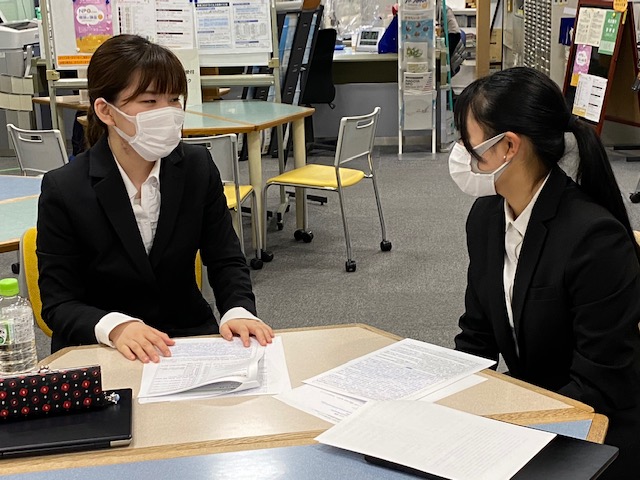
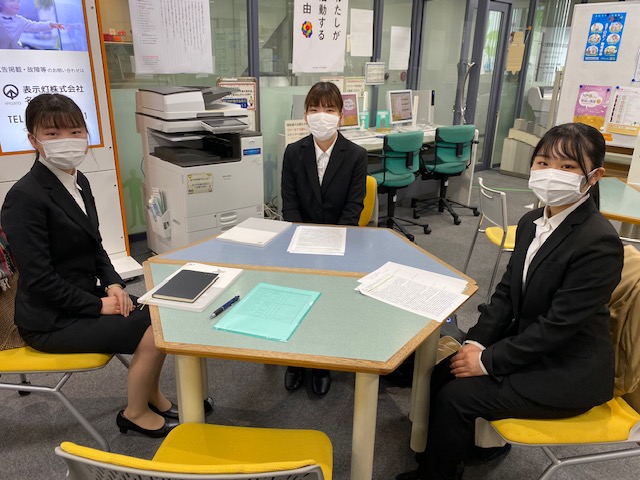
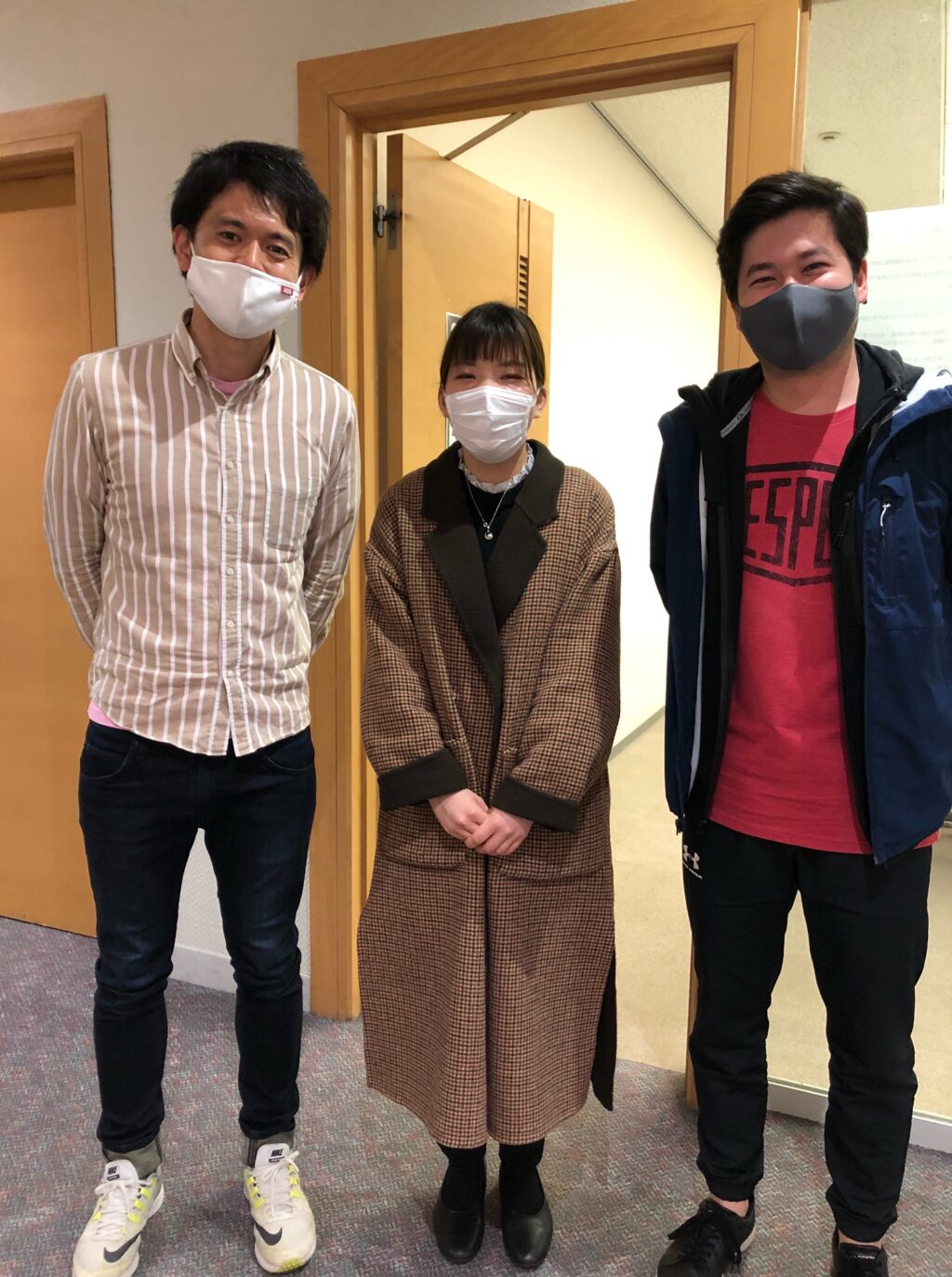
Student-led communication and project planning
Crowdfunding Result and Learning
The crowdfunding project was a valuable learning experience for the interns. The project did not reach its funding target, but it gave the students a practical opportunity to learn how difficult it is to communicate social issues, reach supporters and turn a support idea into public action. Because the target was not reached, the support reservations on READYFOR were cancelled.
Although the crowdfunding target was not achieved, the process itself became an important learning outcome. The interns experienced the difficulty of explaining a project clearly, reaching the right audience, building trust and encouraging people to take action.
Special English Lessons on Climate Change
As part of the project, special English lessons related to climate change were also prepared. These lessons connected English communication with environmental awareness and social action.
The activity showed how language education can become a way to discuss global issues such as climate change, disasters and international cooperation.
Connecting English Learning and Climate Action
The special lessons helped participants learn English while thinking about climate change and environmental issues. This approach connected HHAHJ’s language education activities with its environmental and international cooperation activities.
The Challenge of Communicating the Situation in the Affected Area
Crowdfunding required the interns to explain clearly what had happened locally, why support was needed and how the proposed project could help.
It was important not only to communicate the seriousness of the typhoon damage, but also to explain how a relatively small and positive action—creating flower gardens—could connect with emotional recovery, environmental improvement and community rebuilding.
Turning Local Conditions into a Clear Message
The interns learned that public communication requires more than showing damage. A support project must explain its purpose, the people it is intended to help and the meaning of the proposed action in a way supporters can understand.
Cooperation with the WAND Foundation
The project was planned in cooperation with the WAND Foundation, a local partner that HHAHJ had worked with in the Philippines. Information from the local side helped the interns understand the conditions in affected communities and the significance of creating flower gardens in public spaces.
While emergency relief normally gives priority to shelters, food and medical support, the project also considered the psychological and social situation of families affected by the disaster. The flower garden proposal was designed as a small form of environmental support that could contribute to hope, community pride and the rebuilding of daily life.
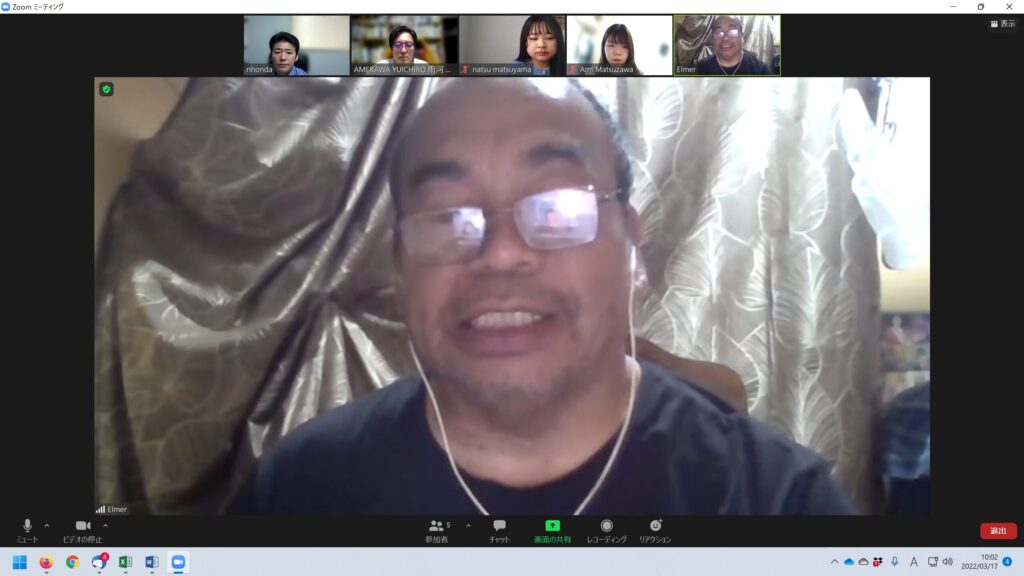
Meeting related to project implementation
Planning the flower support project
Cooperation with the local partner
Activity Schedule
Within a short internship period, the students worked in parallel on project planning, meetings with the local partner, the crowdfunding application, publication and preparation of the return program.
Feb. 1–20
Project Planning
The interns organized the project purpose, support content, page structure, return program and target audience.
Feb. 10
Meeting with WAND Foundation
The team confirmed the local situation, potential support locations and the meaning of the flower garden project.
Feb. 21
Crowdfunding Application
The interns prepared the information and text needed for publication on READYFOR.
Mar. 4
Project Published
The crowdfunding page was published on READYFOR.
Mar. 17
Follow-up Meeting with WAND Foundation
The team reviewed the situation after publication and discussed the next steps.
Page Created by the Interns
During the 2022 internship, the interns organized and published their own external page about Typhoon Odette relief, the crowdfunding project and environmental support.
This HHHJapan page records the background, process, result and learning from the organization’s perspective. The student-created page preserves how the interns themselves understood the support project, structured the message and presented their work at the time.
Student-Created Page
2022 Internship Activity Page
The page presents the Typhoon Odette support project and the planned flower gardens in public spaces from the interns’ own perspective.
Created and organized by the interns themselves
Student communication about disaster recovery and environmental support
A learning outcome showing how they shaped the project into a public-facing page
Through this internship, the students learned how to connect disaster recovery, environmental support, public communication and education. They experienced both the potential and difficulty of creating a project that asks people for support.
Understanding Disaster Recovery
The interns learned that recovery after a disaster includes not only physical rebuilding, but also emotional, environmental and community recovery.
Understanding Typhoon Odette damage
Learning about public spaces and recovery
Thinking about long-term support after disasters
Planning a Support Project
The interns learned how to turn a social issue into a concrete support project with a clear purpose, target and message.
Organizing project purpose
Designing a crowdfunding page structure
Thinking about supporters’ perspective
Communicating to the Public
The interns learned that even a meaningful project needs clear, trustworthy and repeated communication to reach people.
Creating messages for supporters
Understanding the difficulty of online outreach
Learning from project results
Connecting Education and Action
Through the special English lessons, the interns learned that education can become a way to communicate environmental issues and encourage social awareness.
Climate change education
English learning connected to social issues
Communication for environmental awareness
Meaning for HHAHJ
The 2022 climate action internship was important because it gave students an opportunity to learn from a real social challenge. The activity connected environmental recovery, typhoon relief, crowdfunding, language education and international cooperation.
Even though the crowdfunding target was not reached, the process showed the value of student-led learning. The interns researched, planned, wrote, designed and communicated a project based on a real issue, gaining practical experience that could not be learned from observation alone.
From Support Planning to Practical Learning
This activity shows that internships can be meaningful even when a project does not achieve all of its goals. The process of trying, communicating and reflecting became an important learning experience for the students.
Related Internship Pages
These pages introduce HHHJapan’s internship activities across overseas work, domestic NPO activities, multicultural coexistence, climate action and Japanese education. Choose an activity report to learn more.