
2016 Activity Report
Project Launch, Farmer Training, and Initial Tree Planting
In 2016, the Japan Fund for Global Environment agroforestry project moved from preparation to implementation. Activities included farmer surveys, training, seedling distribution, initial tree planting, home garden support, and preparation for demonstration farms.
This year was the beginning of practical agroforestry activities in Albuera, Leyte. Farmers started learning how to combine trees, crops, and home gardens to restore damaged land, strengthen food security, and build more resilient farming systems.
Role of the 2016 Activities
The 2016 activities marked the full launch of the project. After the preparation and survey stage in 2015, the project began working more directly with farmers through training, seedling distribution, and initial planting activities.
The project focused on helping farmers understand agroforestry not as a temporary activity, but as a practical farming method that could support environmental restoration, food production, and long-term livelihood recovery.
Main Activities in 2016
In 2016, the project began to move from planning into visible activities in the field. Farmers received training and planting materials, while the foundation for demonstration farms and community-based learning was prepared.
Farmer Training and Project Introduction
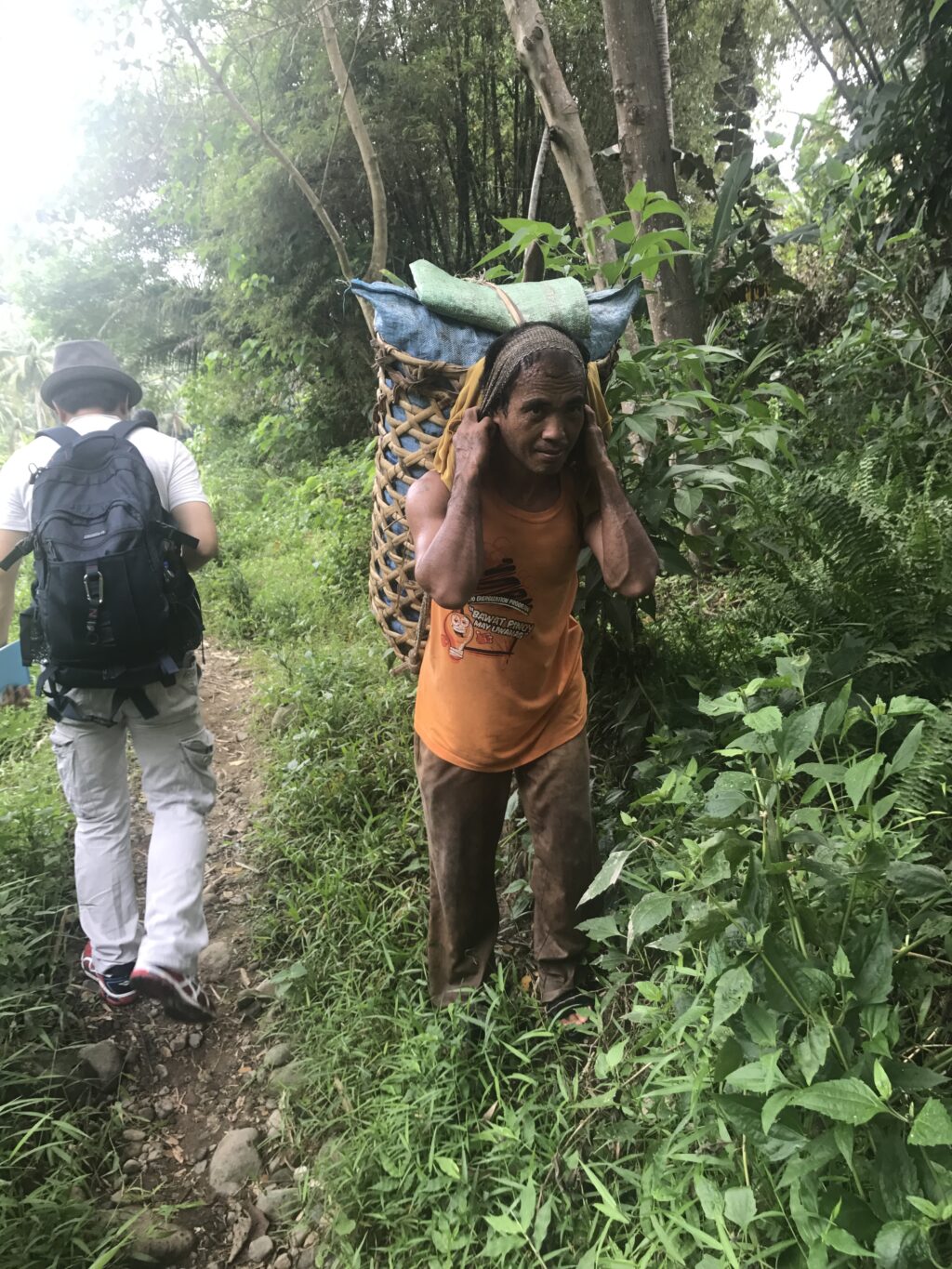
Farmer training was one of the most important activities in 2016. Farmers needed to understand why agroforestry was useful, how it could help restore damaged land, and how they could apply it in their own fields.
The training introduced the basic idea of combining trees, fruit crops, vegetables, and other farm activities. This helped farmers think beyond single-crop farming and consider more diversified ways to rebuild their livelihoods.
Seedling Distribution and Planting Preparation
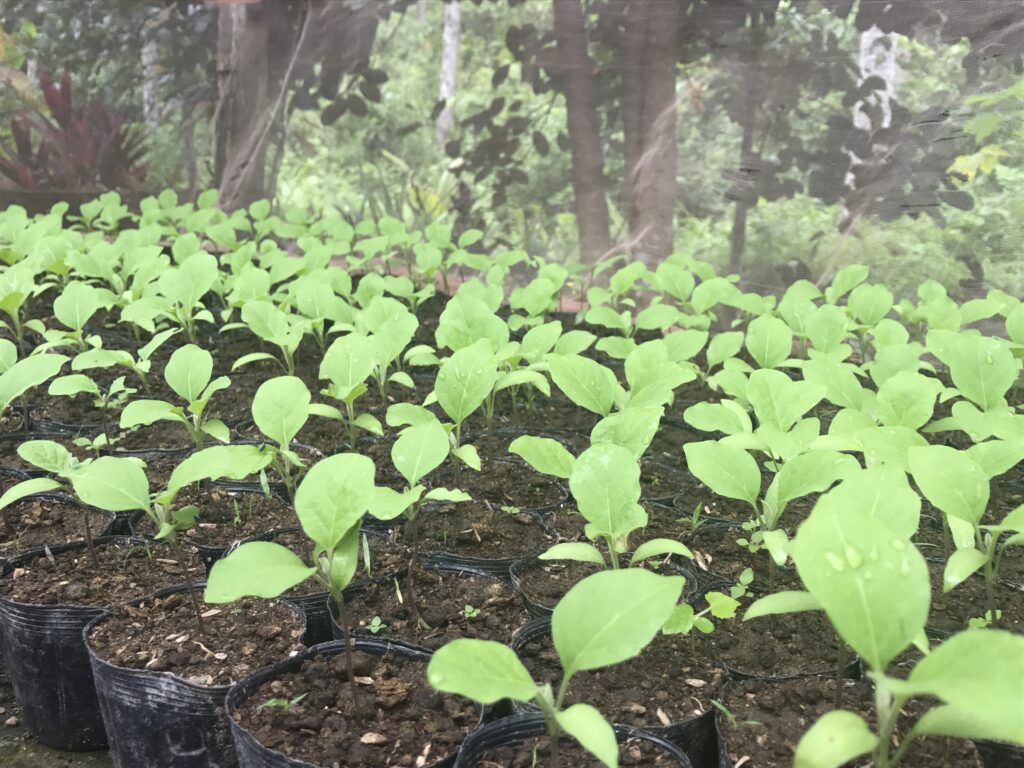
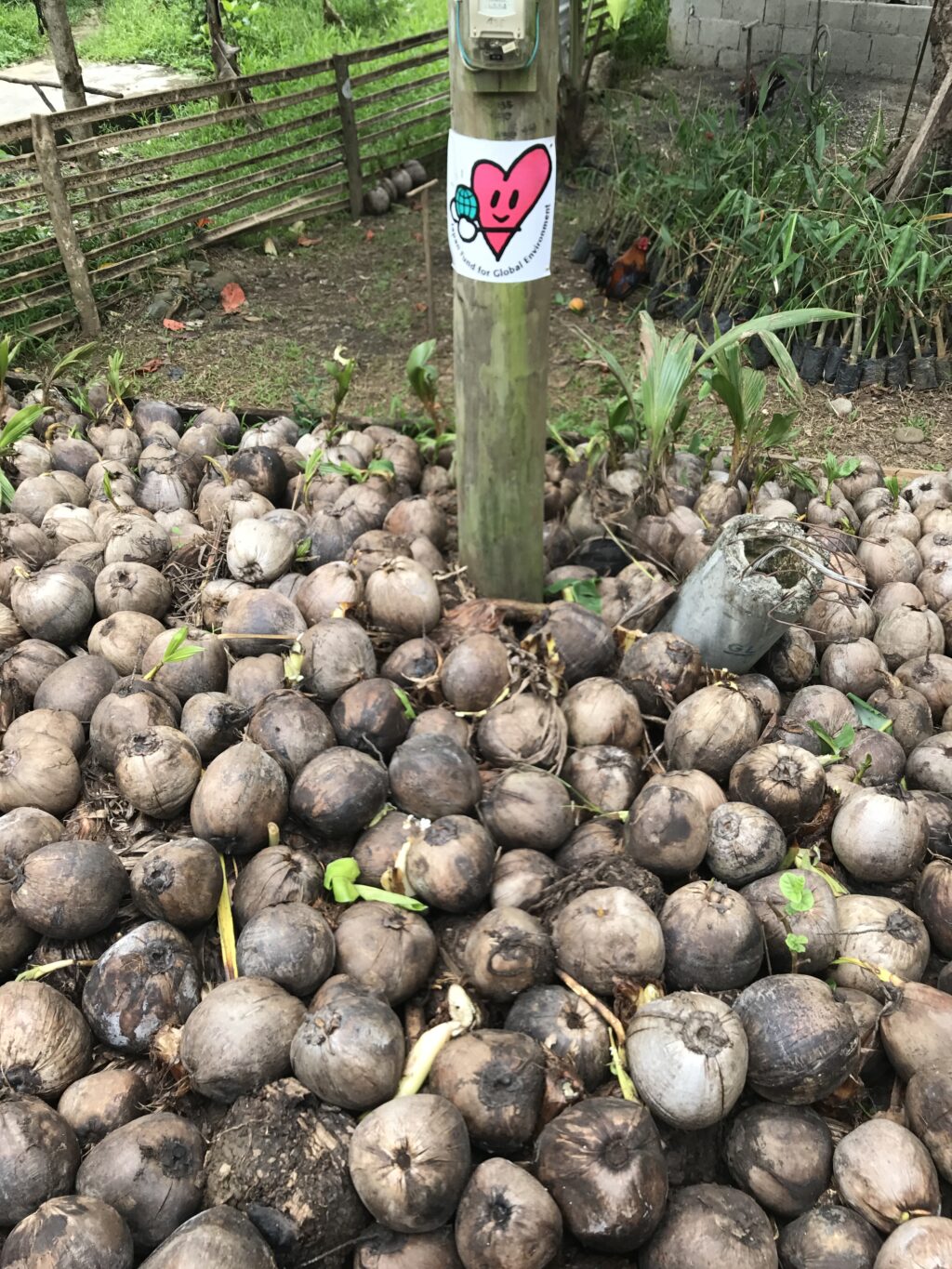
Seedling distribution was a key step in helping farmers begin practical agroforestry activities. Seedlings were prepared so farmers could start planting trees and other crops in their own fields.
Planting trees after typhoon damage is a long-term investment. Trees support soil protection, future income, shade, biodiversity, and environmental recovery. The 2016 activities helped farmers begin this process with concrete materials and guidance.
Initial Tree Planting
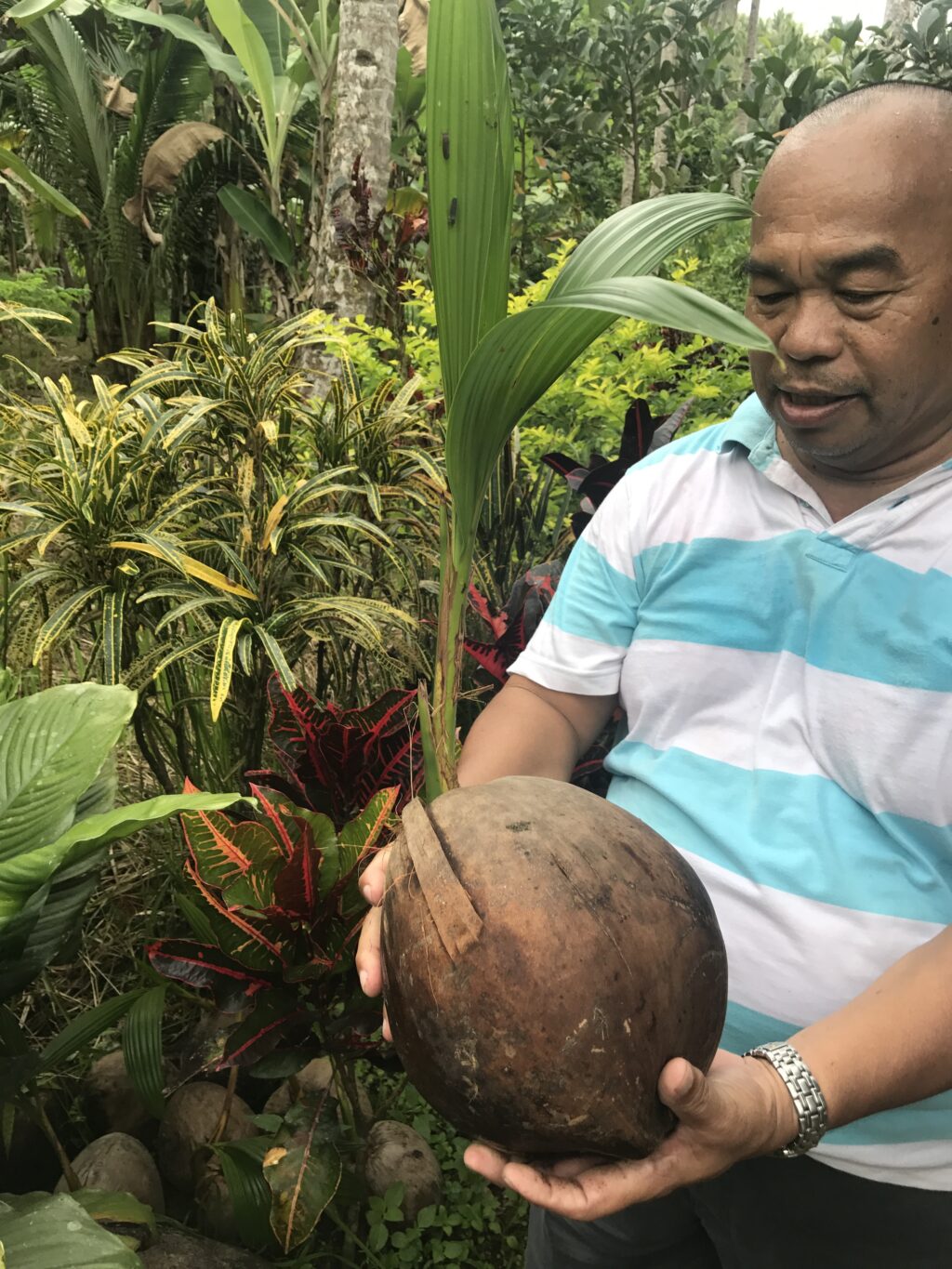
Initial tree planting began as farmers received seedlings and guidance. This was the first visible step in turning the project plan into field-level action.
Tree planting was not treated as a one-time event. Farmers needed to learn how to plant, protect, and manage seedlings over time. The project therefore connected planting activities with training and follow-up support.
Restoring Damaged Land
Tree planting helped support the recovery of farmland damaged by severe typhoon impacts.
Creating Future Income
Fruit trees and other useful tree species could become future sources of food and income for farmers.
Building Resilience
Agroforestry systems can help farmers prepare for future climate and disaster risks.
Home Garden Support
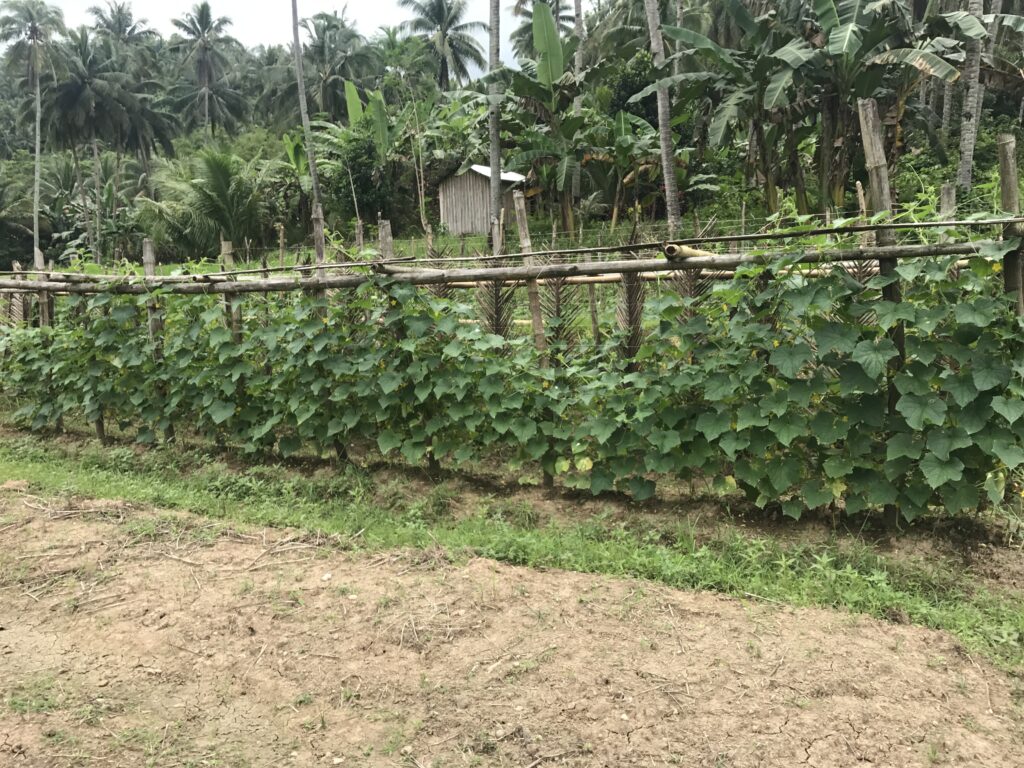
In addition to tree planting, home garden activities were introduced to support daily household needs. Home gardens allowed families to grow vegetables close to their homes and improve their access to food.
This was important because trees take time to grow, while vegetables can support families more quickly. By combining long-term tree planting with short-term vegetable production, the project supported both immediate and future needs.
Preparing Demonstration Farms
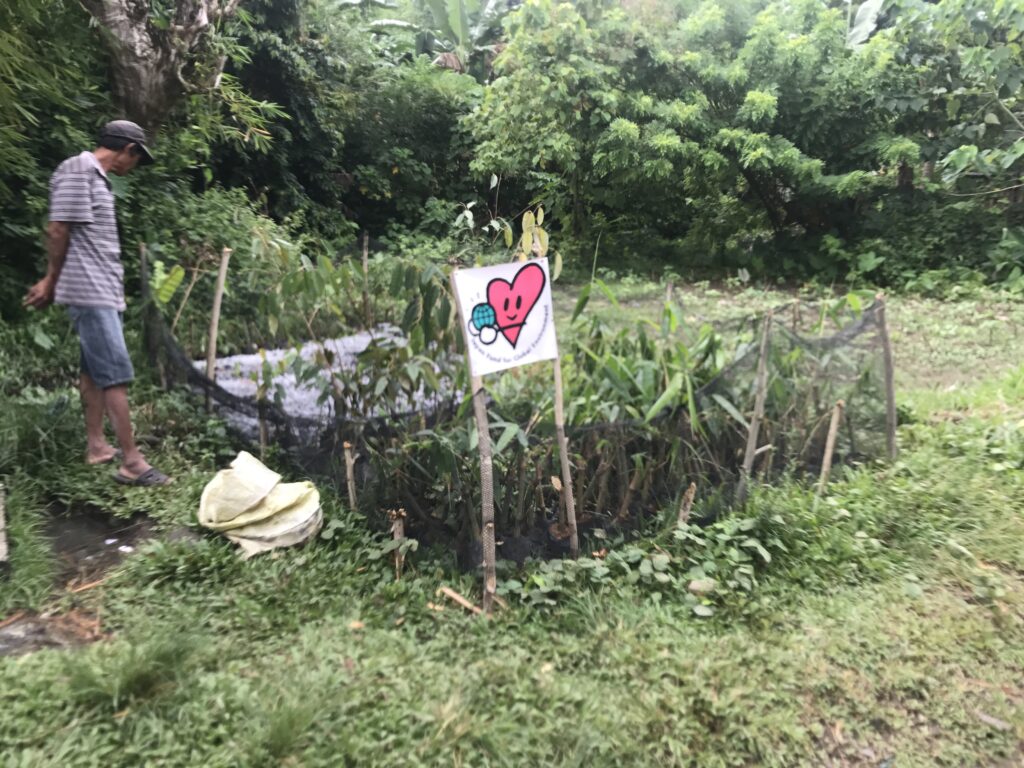
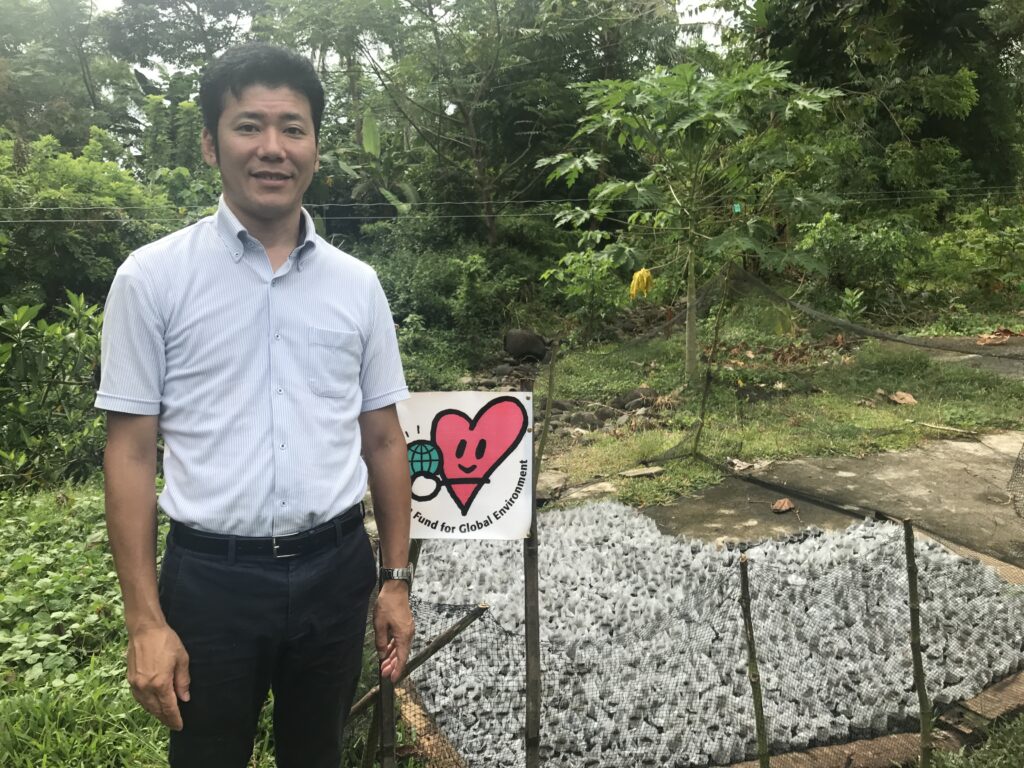
Demonstration farms were prepared as practical learning sites where farmers could see agroforestry methods in action. These farms were intended to support farmer-to-farmer learning and local knowledge sharing.
For many farmers, seeing an actual field is easier to understand than learning only through lectures. Demonstration farms helped make agroforestry visible and practical within the community.
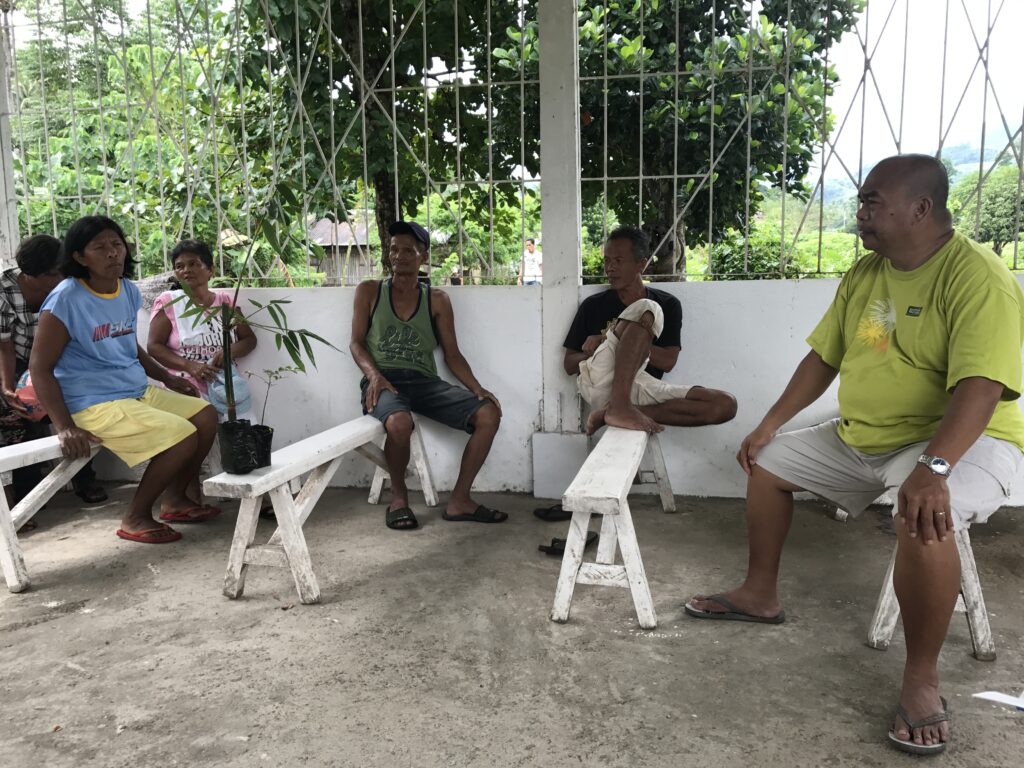
Building Farmer-to-Farmer Learning
The project placed importance on farmer-to-farmer learning. Instead of relying only on outside trainers, the project aimed to help local farmers learn from one another through demonstration farms, shared experience, and community discussions.
This approach helped create a more sustainable model. If local farmers could share knowledge within their own communities, agroforestry activities would have a better chance of continuing beyond the original project period.
From Training to Practice
The 2016 activities were important because they connected training with actual practice. Farmers did not only learn about agroforestry in theory; they started preparing fields, planting seedlings, and growing vegetables.
This practical experience helped farmers understand how agroforestry could fit into their own lives. It also created the foundation for the expansion of demonstration farms and community activities in 2017.
2016 Activity Flow
The 2016 activities followed a practical process: introducing the project, training farmers, distributing seedlings, starting planting, and preparing demonstration farms for future expansion.
Introduce the Project
Farmers learned about the project goals and the value of agroforestry for environmental recovery and livelihood rebuilding.
Train Farmers
Training focused on practical agroforestry methods, home gardens, and sustainable land use.
Distribute Seedlings
Seedlings and planting materials were prepared and distributed so farmers could begin field-level activities.
Prepare Demonstration Farms
Demonstration farms were prepared to support farmer-to-farmer learning and future activity expansion.
Summary of the 2016 Stage
The 2016 stage was the year when the project truly began in the field. Farmers started receiving training, seedlings, and support for home gardens and initial tree planting.
This year created the practical foundation for the 2017 expansion, when demonstration farms, home gardens, livestock support, farmer-to-farmer learning, and community organization activities would become more active.
Annual Report Pages
The Japan Fund for Global Environment project is organized into annual report pages so readers can follow the project from preparation to implementation, expansion, and community-led continuation.
Community Survey and Project Preparation
Field surveys, farmer interviews, local needs assessment, and project preparation in Albuera, Leyte.
JFGE Agroforestry Project Top
The parent page summarizes the full background, activities, results, and significance of the project.
Expansion of Demonstration Farms
Additional demonstration farms, home gardens, livestock support, farmer-to-farmer learning, and community organization development.
Transfer to WACCA
Transfer of agroforestry activities to a local farmers’ organization for continuing farmer training and environmental restoration.
Next Report
The next report introduces the 2017 activities, including the expansion of demonstration farms, home gardens, livestock support, farmer-to-farmer learning, and community organization development.